Seminar: International Day for Universal Access to Information 2025 - Ensuring Access to Environmental Information for Resilient Communities
Seminar: International Day for Universal Access to Information 2025 – Ensuring Access to Environmental Information for Resilient Communities
Date: Sunday, September 28, 2025
Venue: Mirpur Bathoro Sujawal District, Sindh
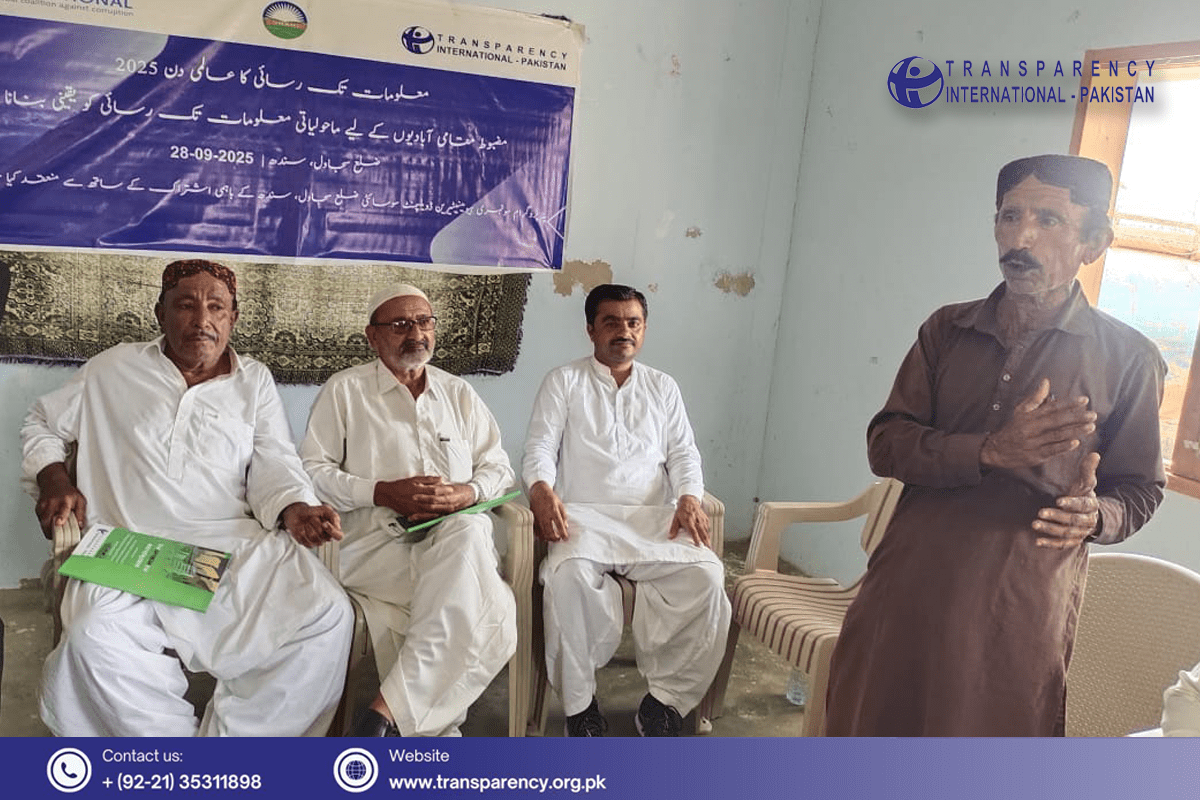
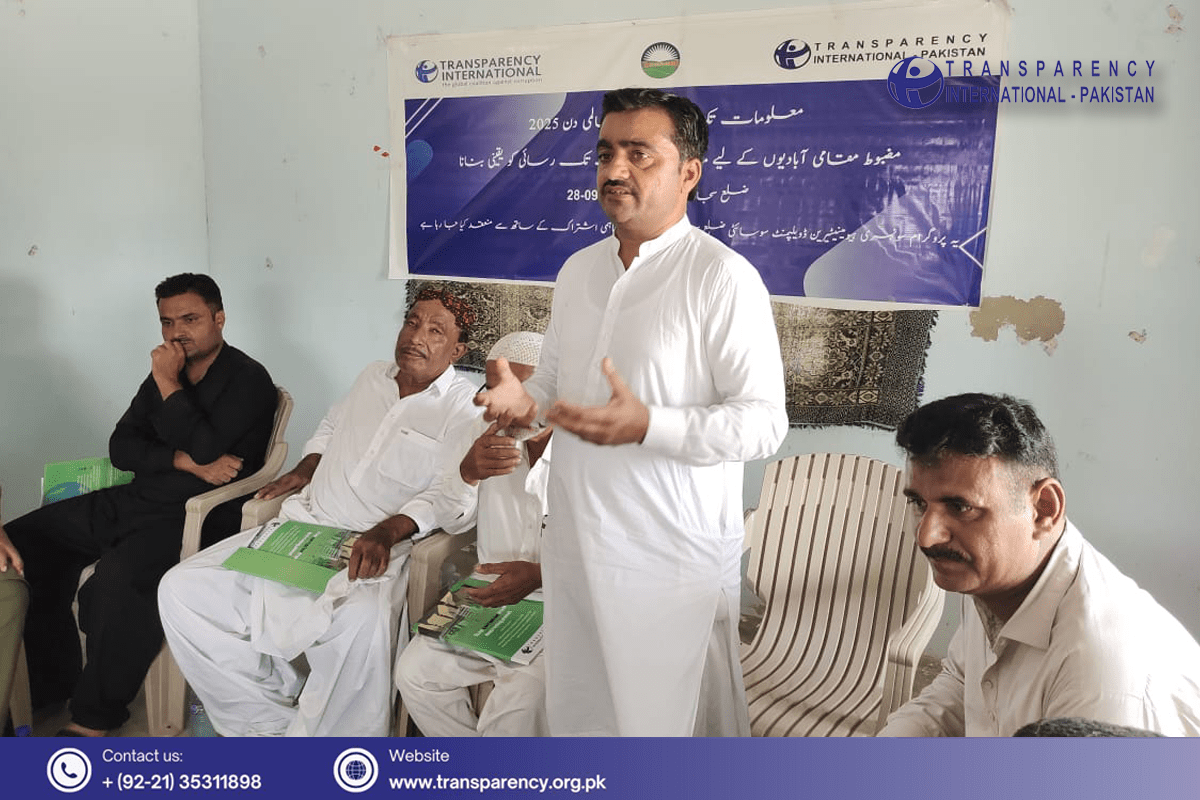
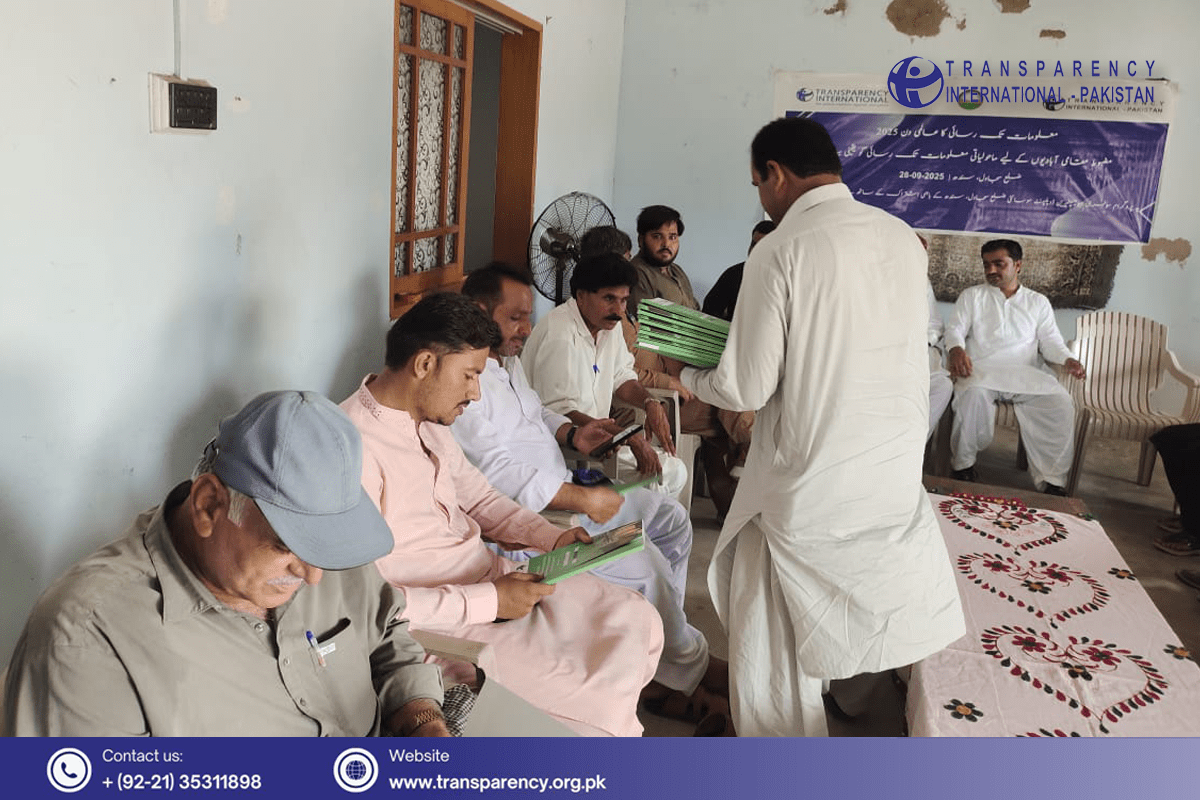
To mark the International Day for Universal Access to Information 2025, a vital seminar brought together voices from across Sujawal. The event, titled “Ensuring Access to Environmental Information for Resilient Communities,” was organized by Transparency International Pakistan in collaboration with the local civil society organization SONHARI. The seminar was held on Sunday, September 28, 2025, in Mirpur Bathoro.
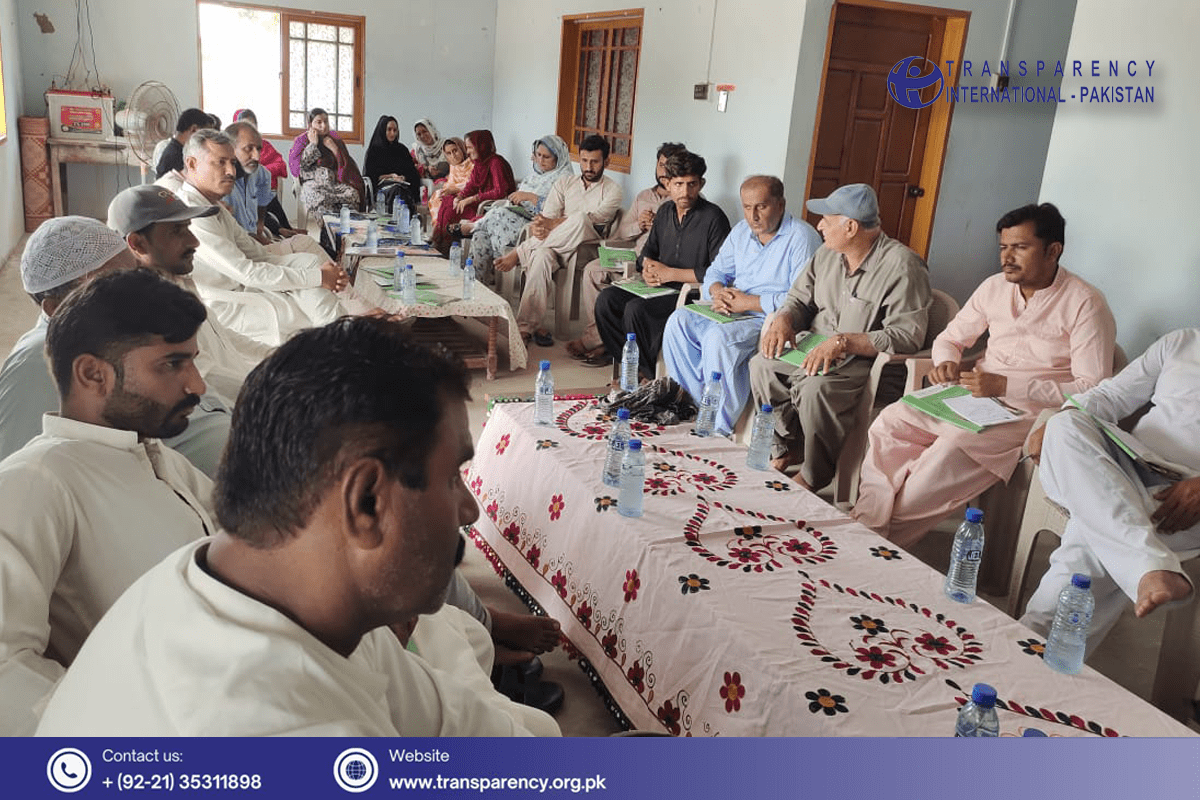
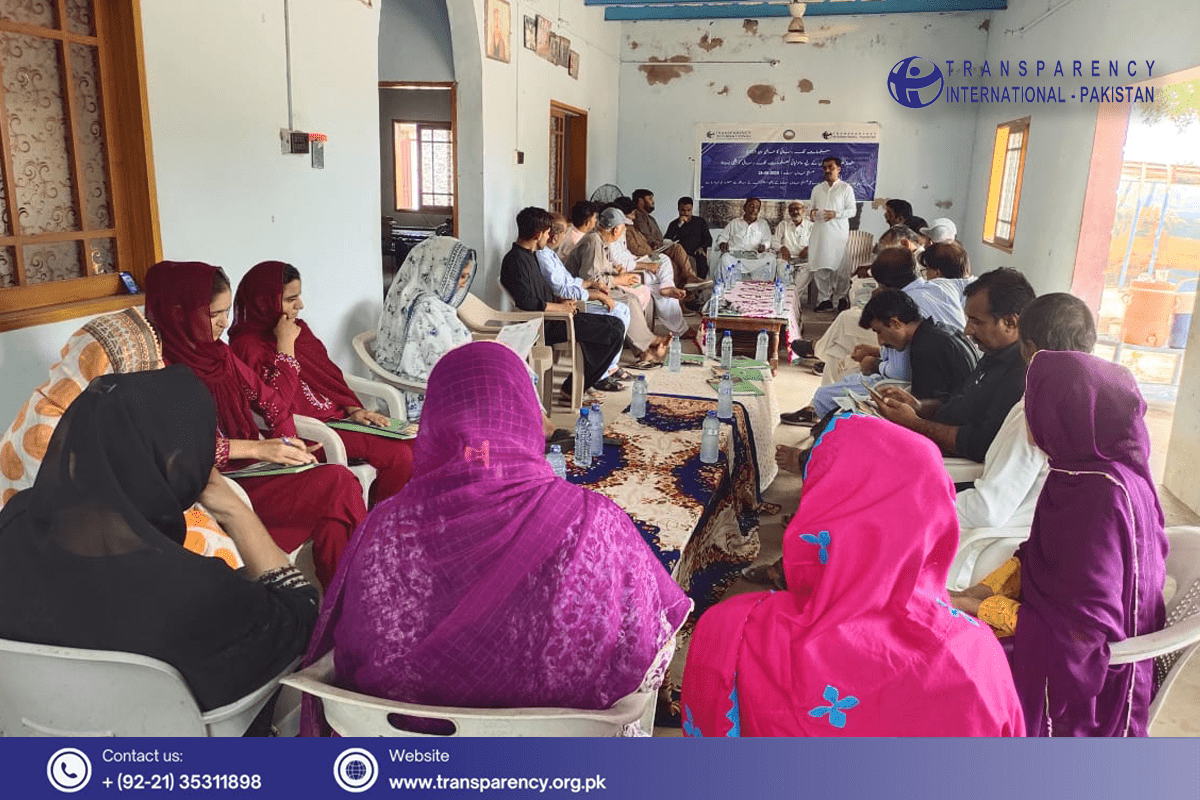
The gathering aimed to tackle a critical issue for the community i.e. how access to environmental information can build stronger, more prepared communities in the face of climate threats. The venue was filled with a shared sense of purpose, uniting local government officials, civil society representatives, education officers, community leaders, and youth volunteers.
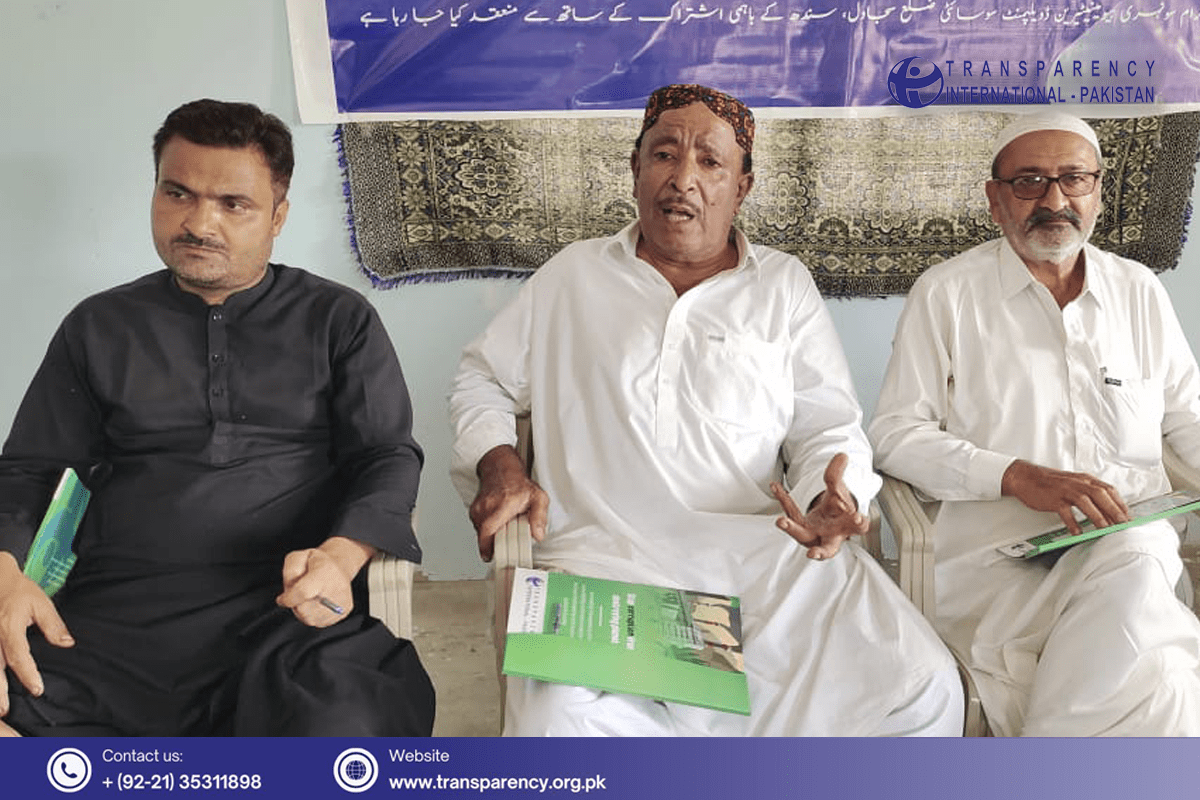
After a recitation from the Holy Quran, Mr. Anayat Ahmed, CEO of SONHARI, set the stage. He painted a clear picture of the challenges faced by Mirpur Bathoro, a region on the frontline of climate change. “Our communities are battling coastal erosion, sea intrusion, floods, and water scarcity,” he stated. “Without timely access to environmental data, we are left in the dark, unable to properly prepare for the disasters that threaten our homes and livelihoods.”
The conversation then turned to the tools available to citizens. Legal expert Mr. Farhan Memon illuminated the Sindh Transparency & Right to Information Act 2017, explaining how this law is a powerful instrument for climate justice. He detailed how it empowers every citizen to request vital information on land use, water management, and disaster response, holding public bodies accountable for transparency.
Mr. Ahmed returned to emphasize the role of organizations like his own in this ecosystem. He described civil society as a crucial bridge, helping people understand their right to information, assisting them in filing requests, and keeping a watchful eye on climate adaptation projects.
Mr. Soukat Soomro, Secretary of SONHARI, broadened the scope to discuss the Sindh Climate Change Policy 2022. He and other speakers agreed that even the best policies, including the national Pakistan Climate Change Policy, depend on an informed and active citizenry to succeed.
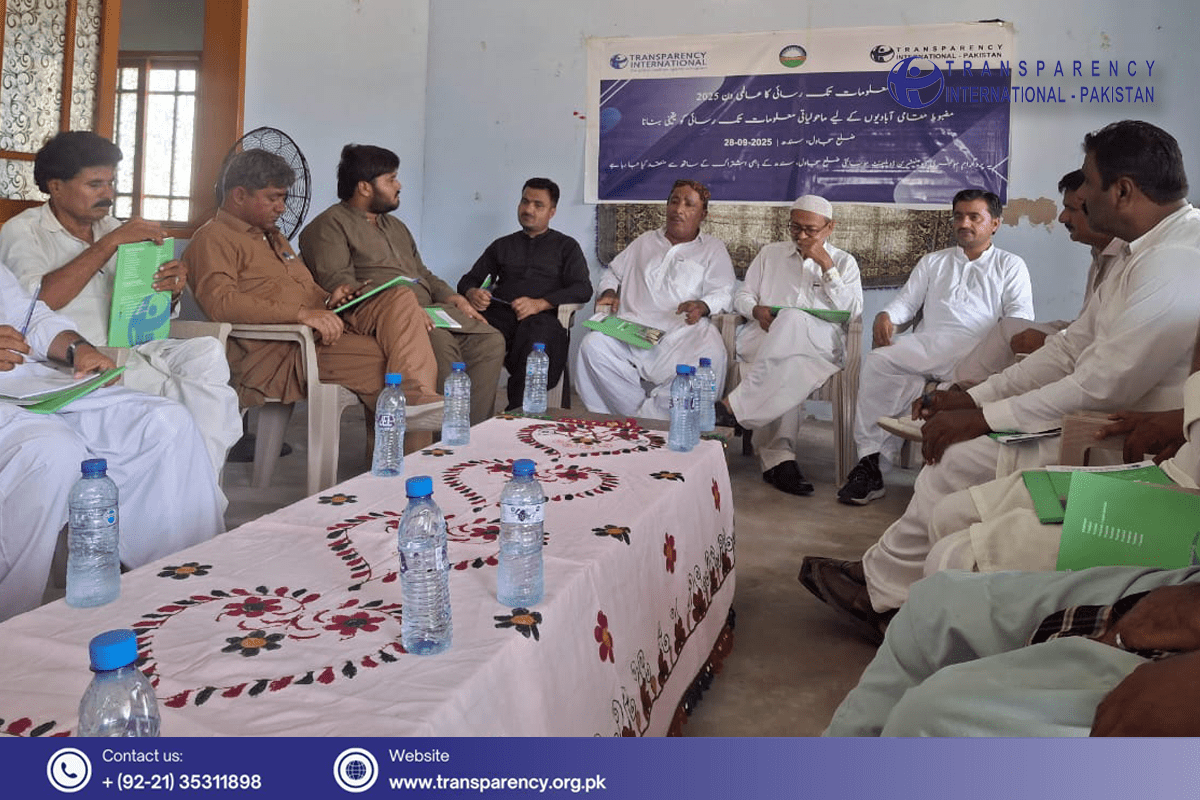
The most dynamic part of the day came during interactive group discussions. Residents spoke plainly about what they need like clear weather alerts, easy-to-understand preparedness guides for floods and cyclones, and transparency in government projects. They also voiced the very real obstacles they face: a lack of awareness about their right to information, bureaucratic delays, and the difficulty of obtaining public records.
Participants did not shy away from deeper, systemic issues, pointing to feudal power structures and political favoritism that divert essential resources away from those who need them most. In a region constantly balancing between flood and drought, the call was unanimous for better early warnings, resilient infrastructure, and, most importantly, fair distribution of water and other resources.
A clear path forward emerged from the discussions. The community recommended that Transparency International Pakistan conduct localized training workshops to educate citizens, youth, and activists on using the Right to Information Act. This, they believe, is a fundamental step toward rooting out corruption and building a more transparent, resilient future for Sujawal.