Report Dissemination Workshop – Assessment of Governance Gaps in Infrastructure Planning and Implementation in Pakistan through ICRAT
Event: Report Dissemination Workshop – Assessment of Governance Gaps in Infrastructure Planning and Implementation in Pakistan through ICRAT
Date: June 18, 2026
Venue: Ramada, Islamabad
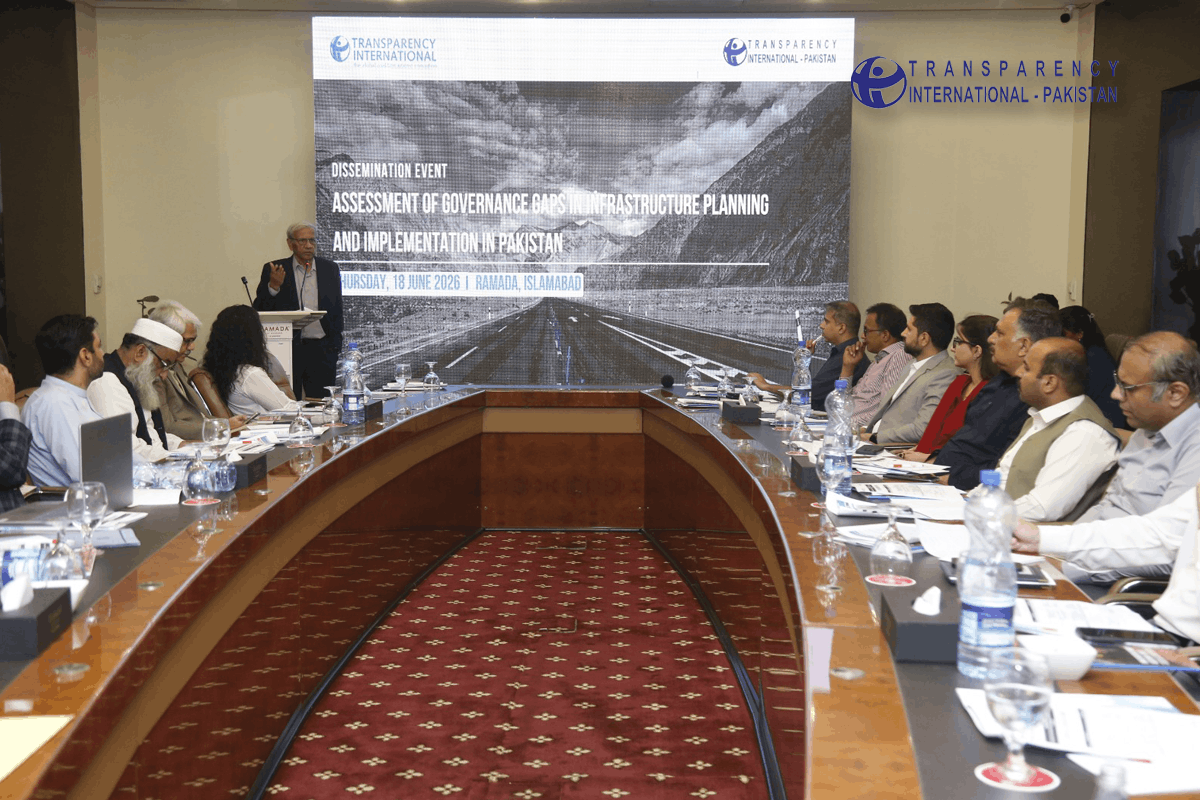
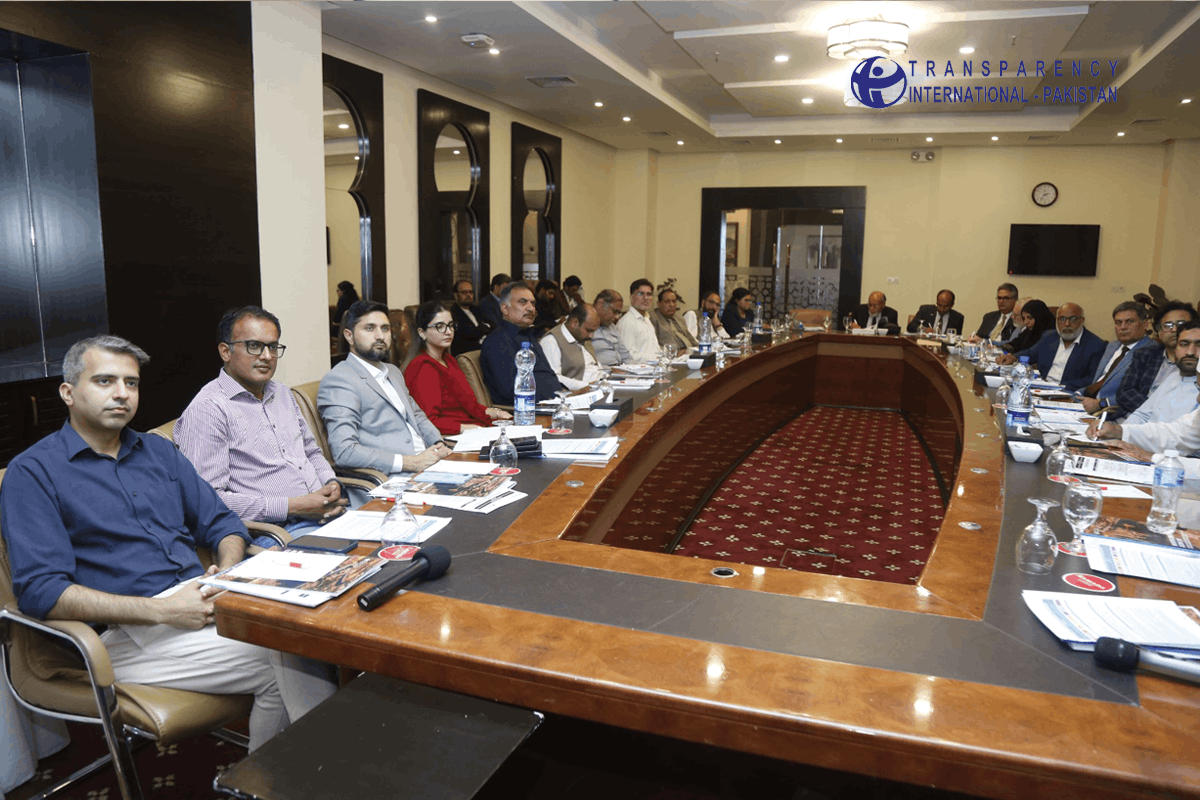
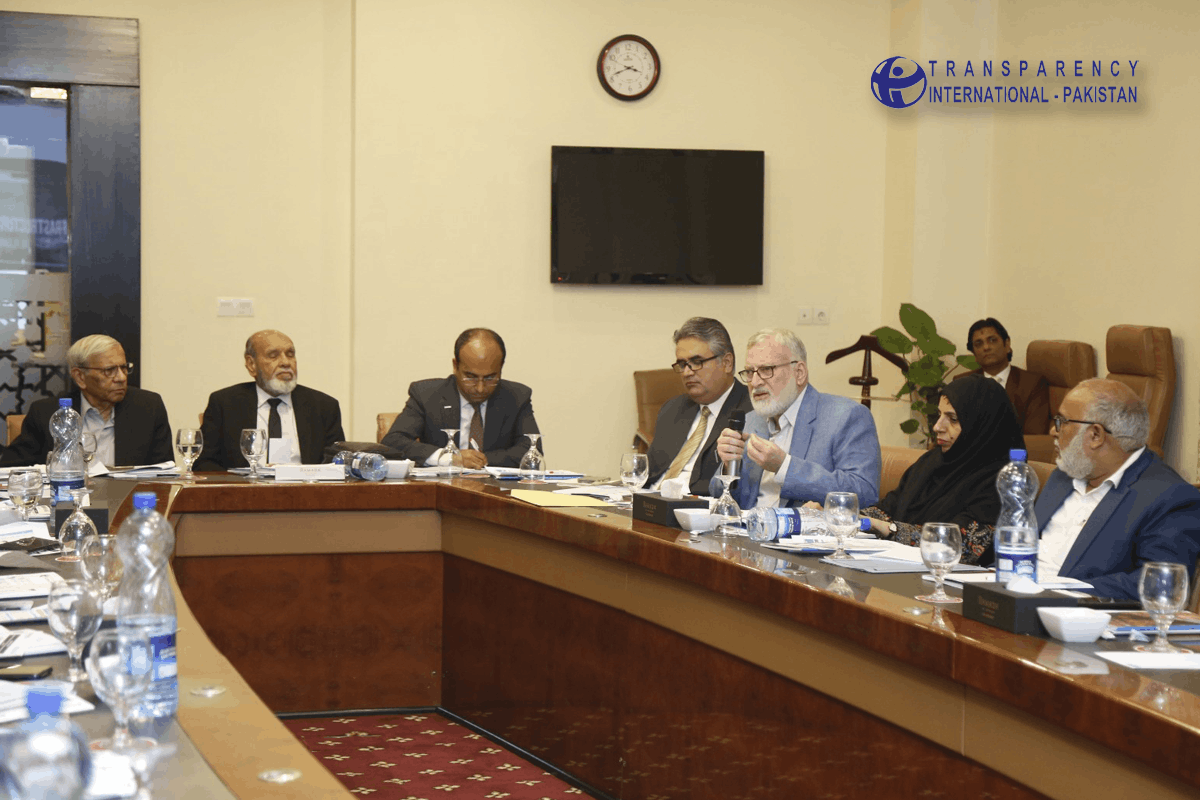
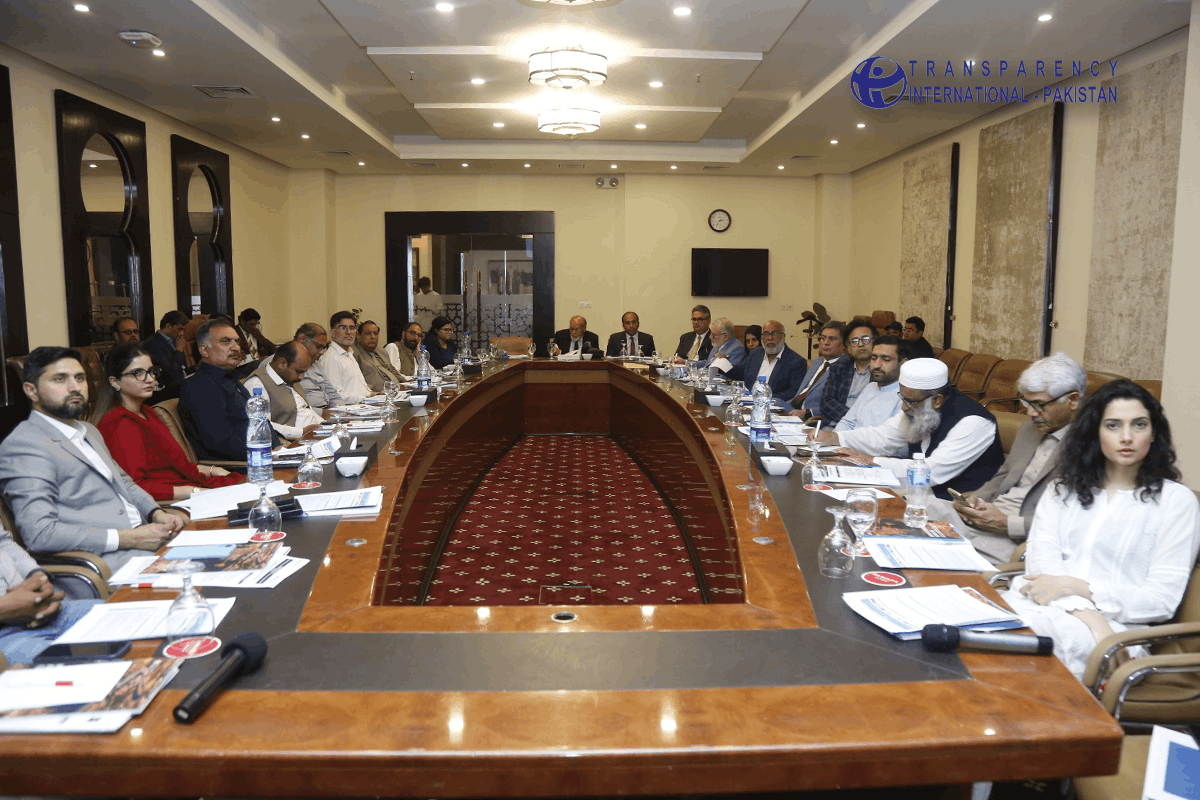
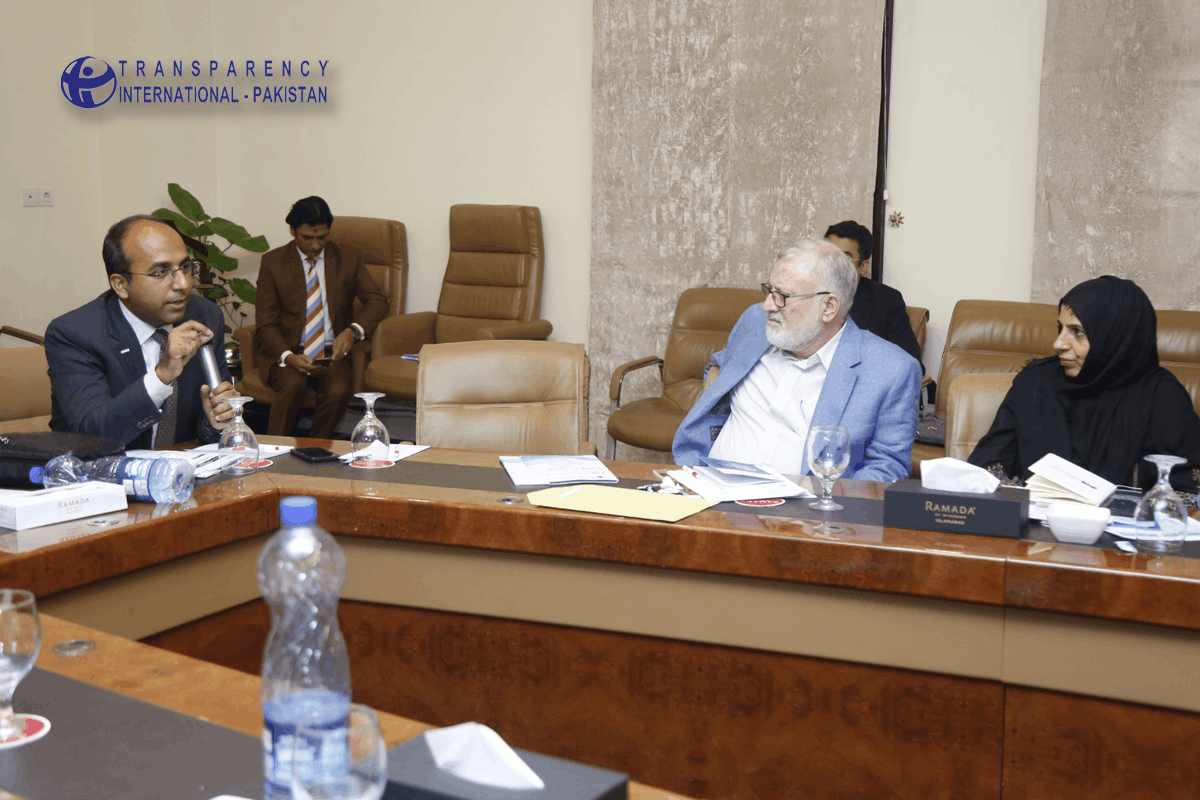
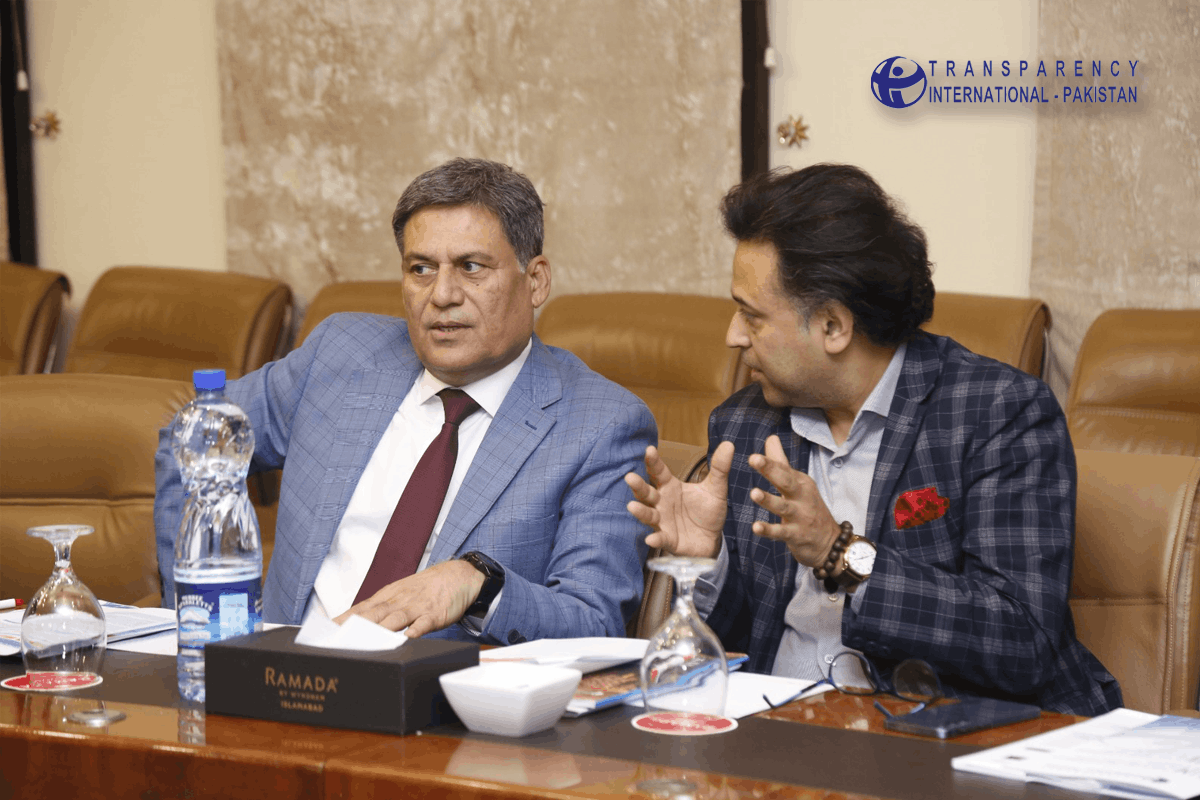
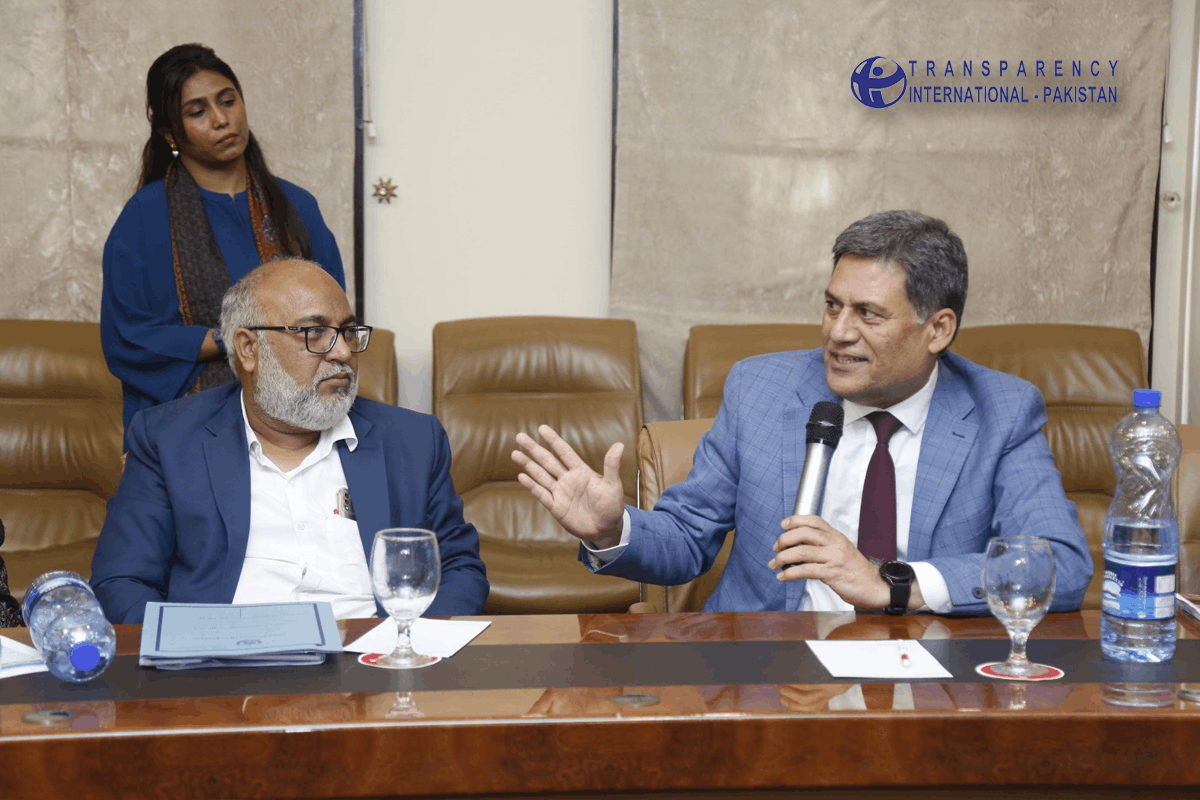
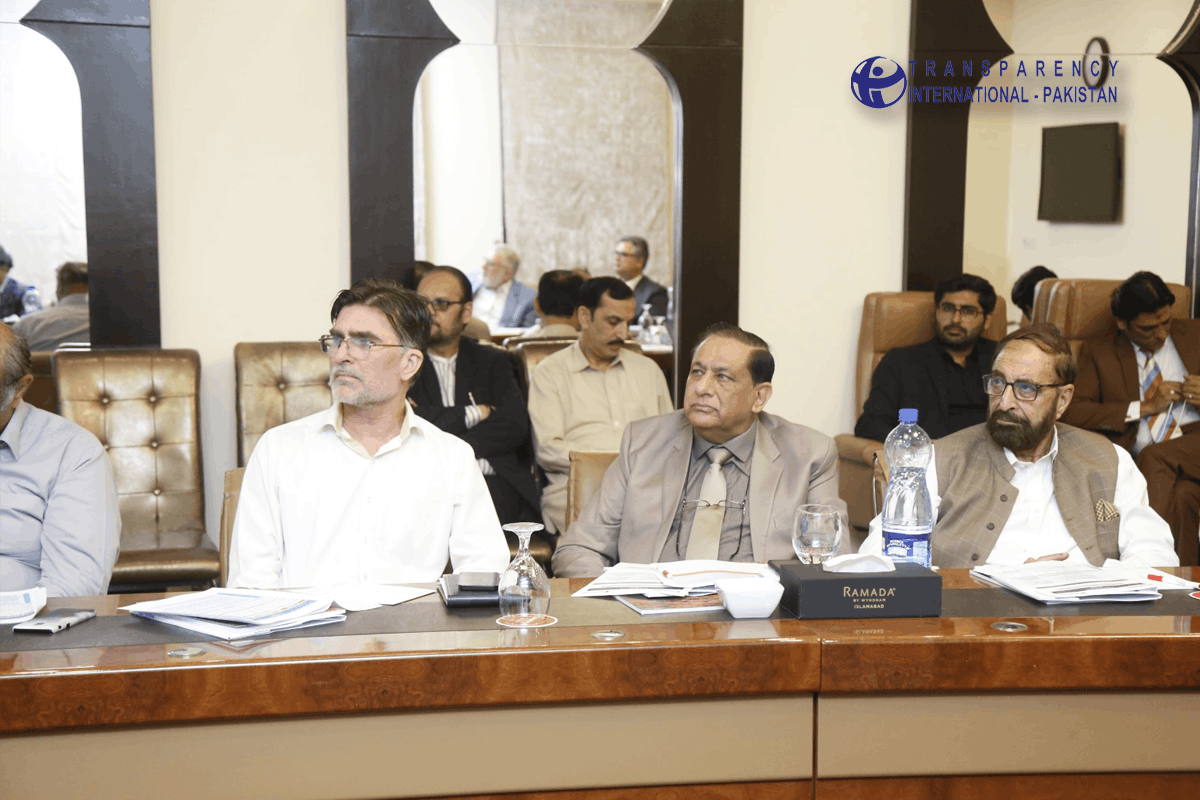
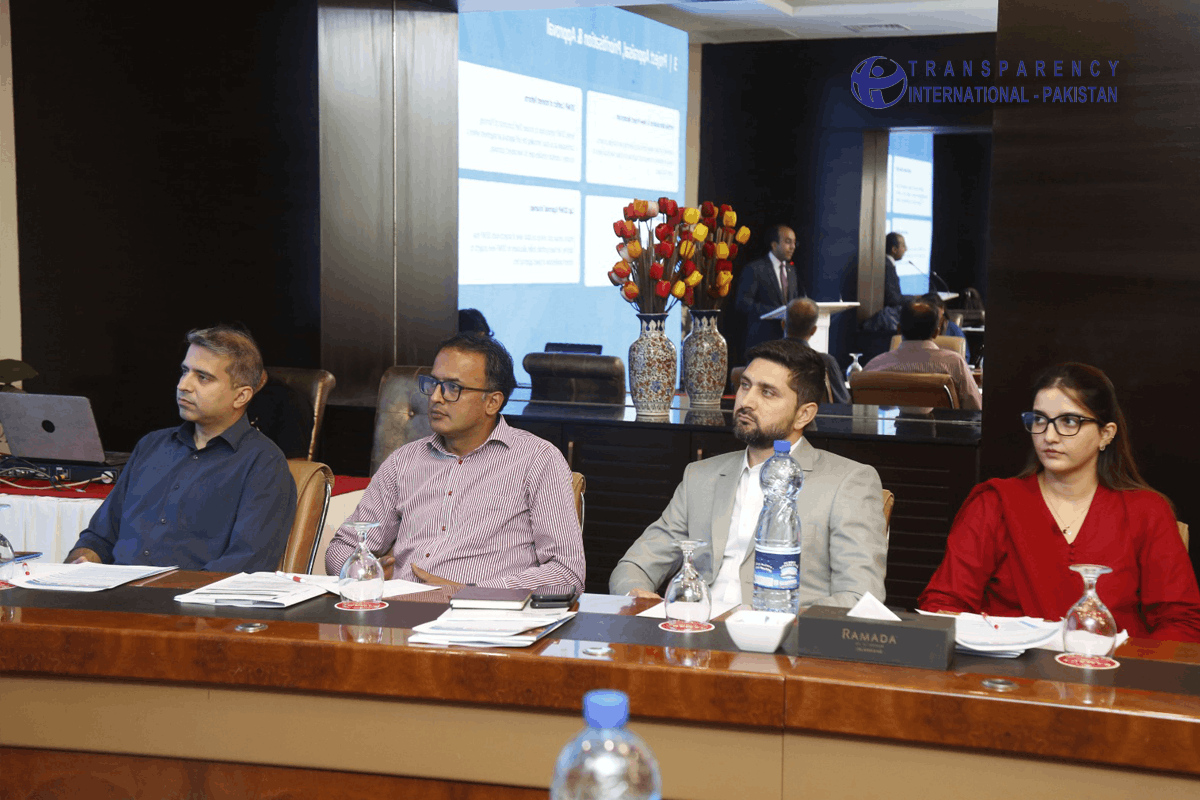
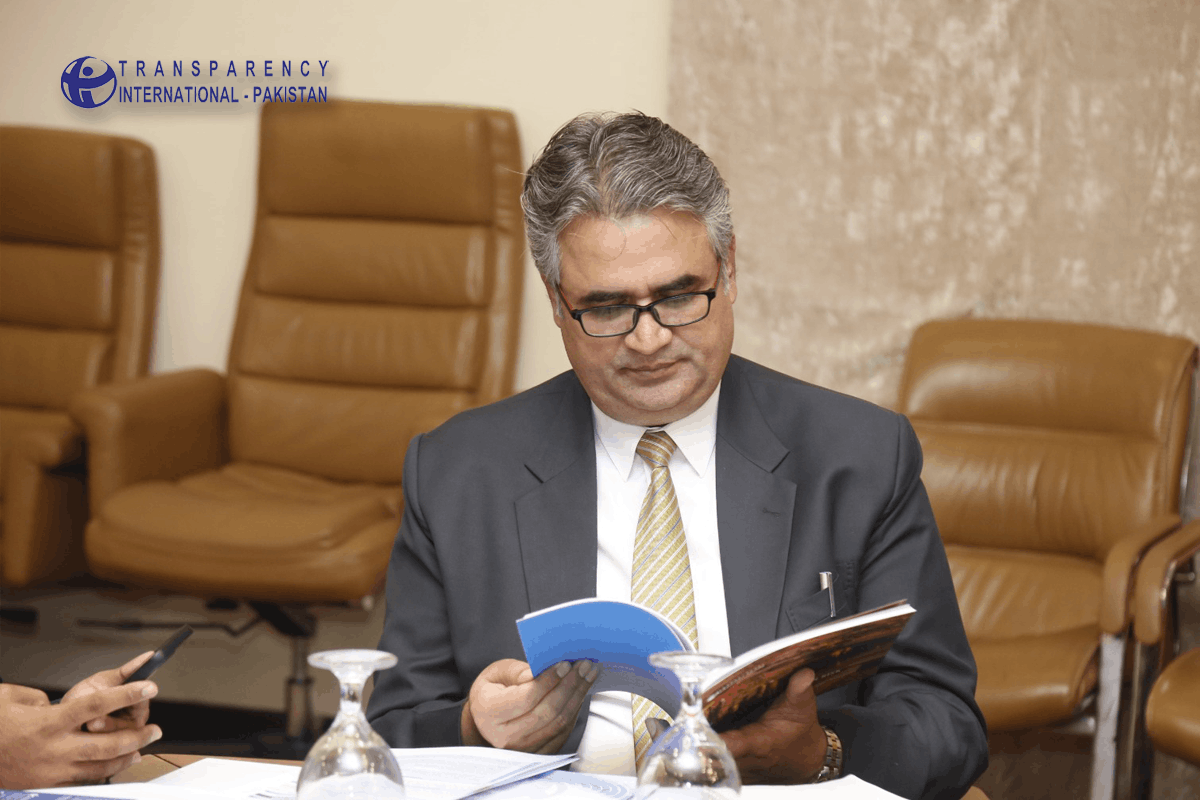
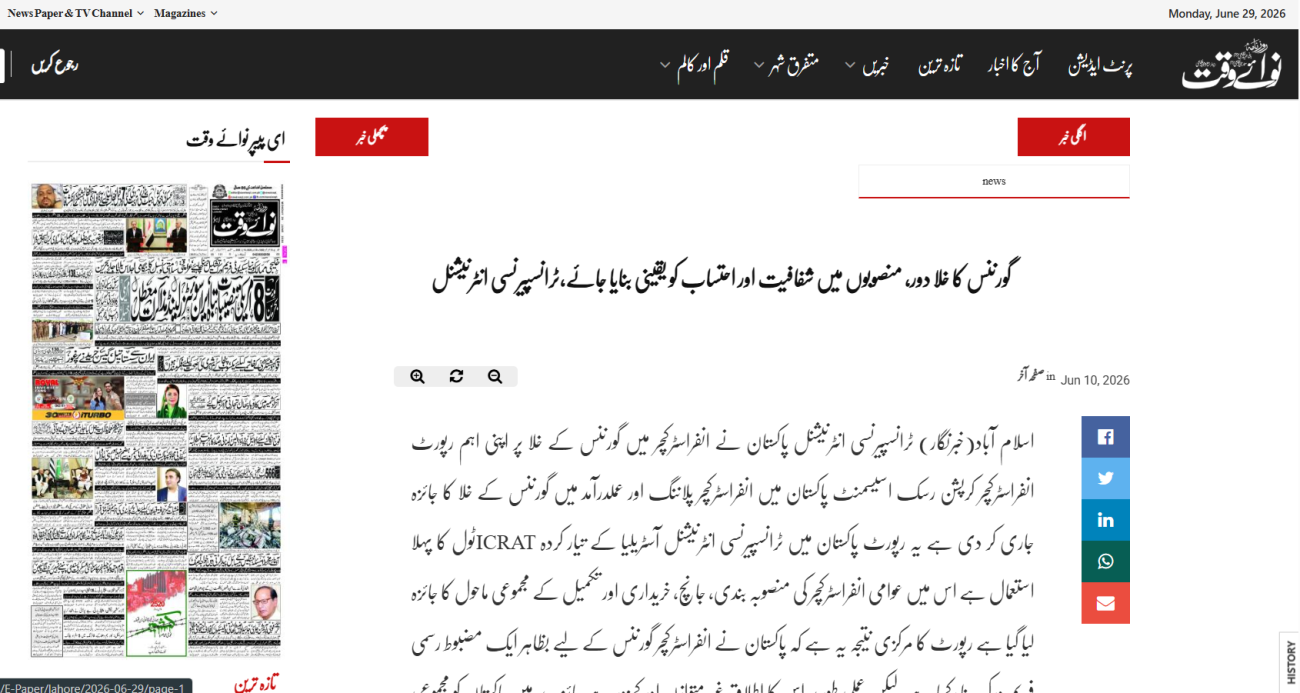
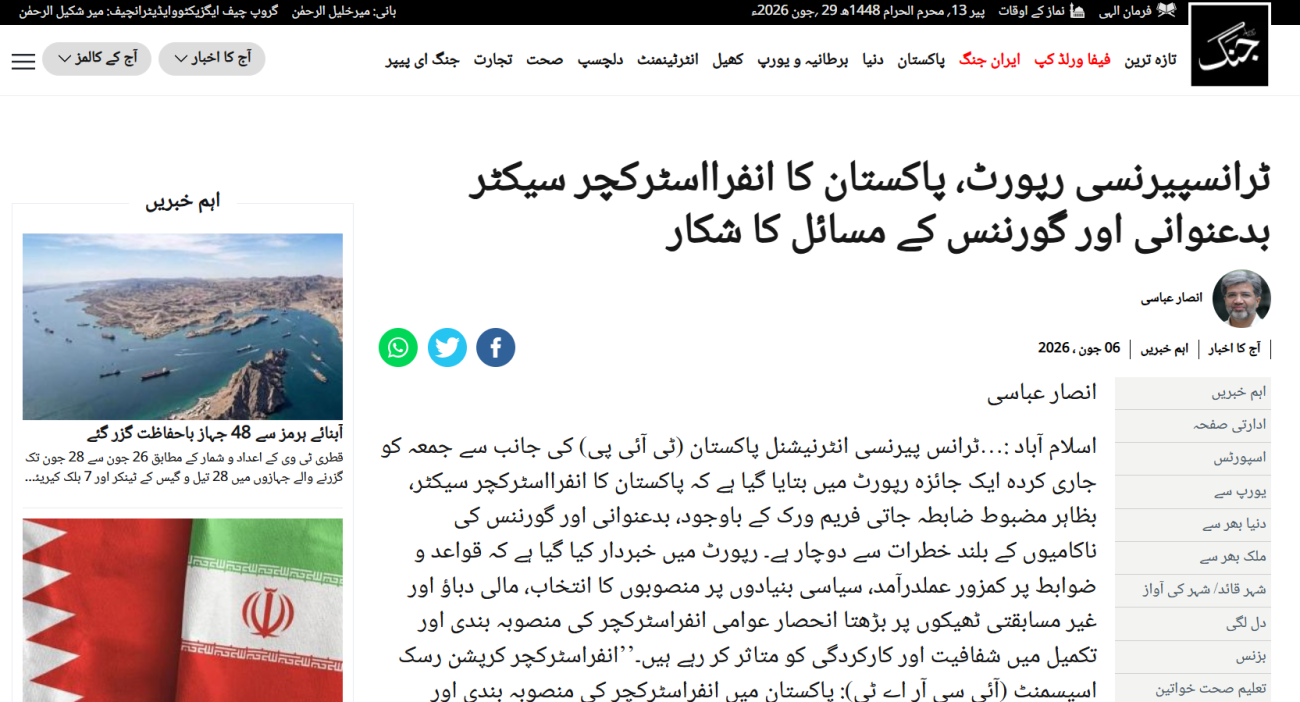
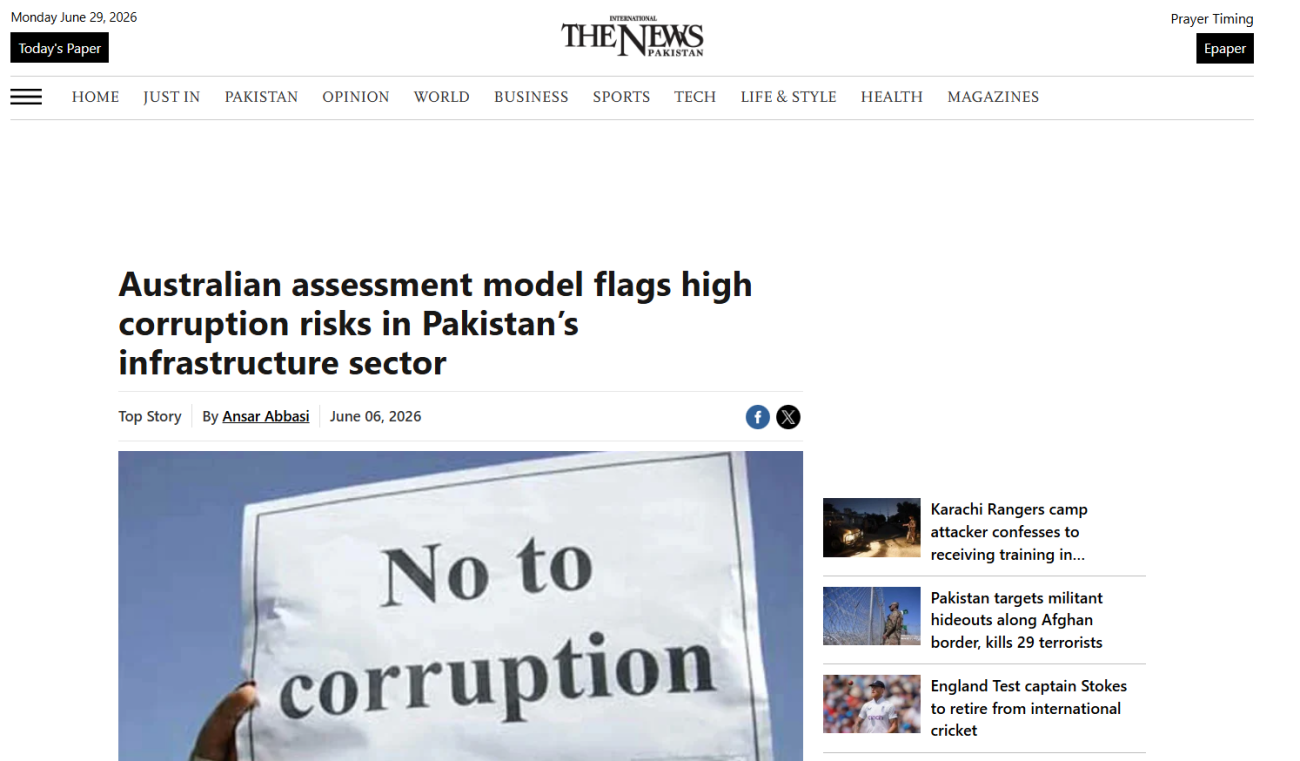
Transparency International Pakistan organised a dissemination event on 18 June 2026 in Islamabad to launch its flagship report titled “Assessment of Governance Gaps in Infrastructure Planning and Implementation in Pakistan”, the first application of Transparency International’s global Infrastructure Corruption Risk Assessment Tool (ICRAT) framework in Pakistan. The event brought together representatives from government institutions, including the Auditor General, Competition Commission, Controller General, NAB, NHA, PPRA, Ministry of Communications, and relevant ministries, parliamentarians, development partners (FCDO, GIZ, and the German Embassy), civil society organisations, and policy experts to discuss governance challenges and reform opportunities in Pakistan’s infrastructure sector.
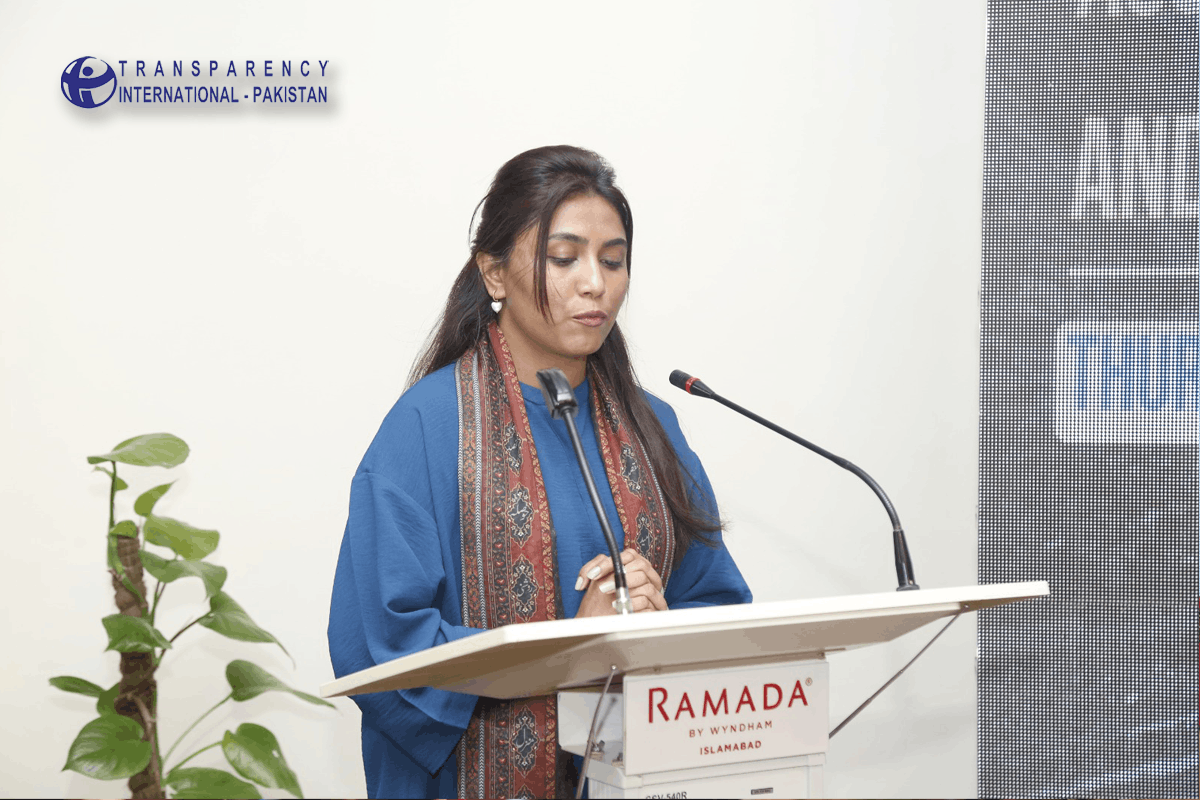
The event began with the recitation of the Holy Quran. Ms. Raima Mehmood, Policy and Research Coordinator, TI Pakistan briefed the participants on the objectives of the dissemination event and provided an overview of TI Pakistan.
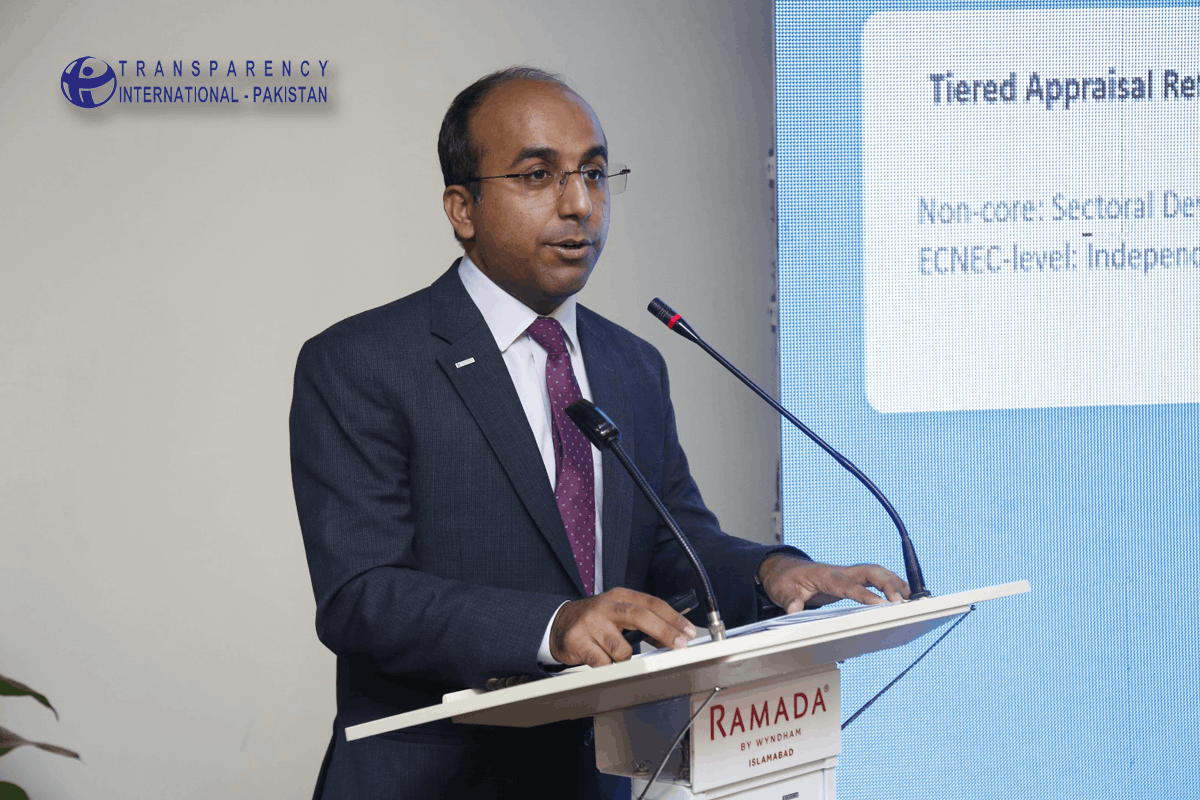
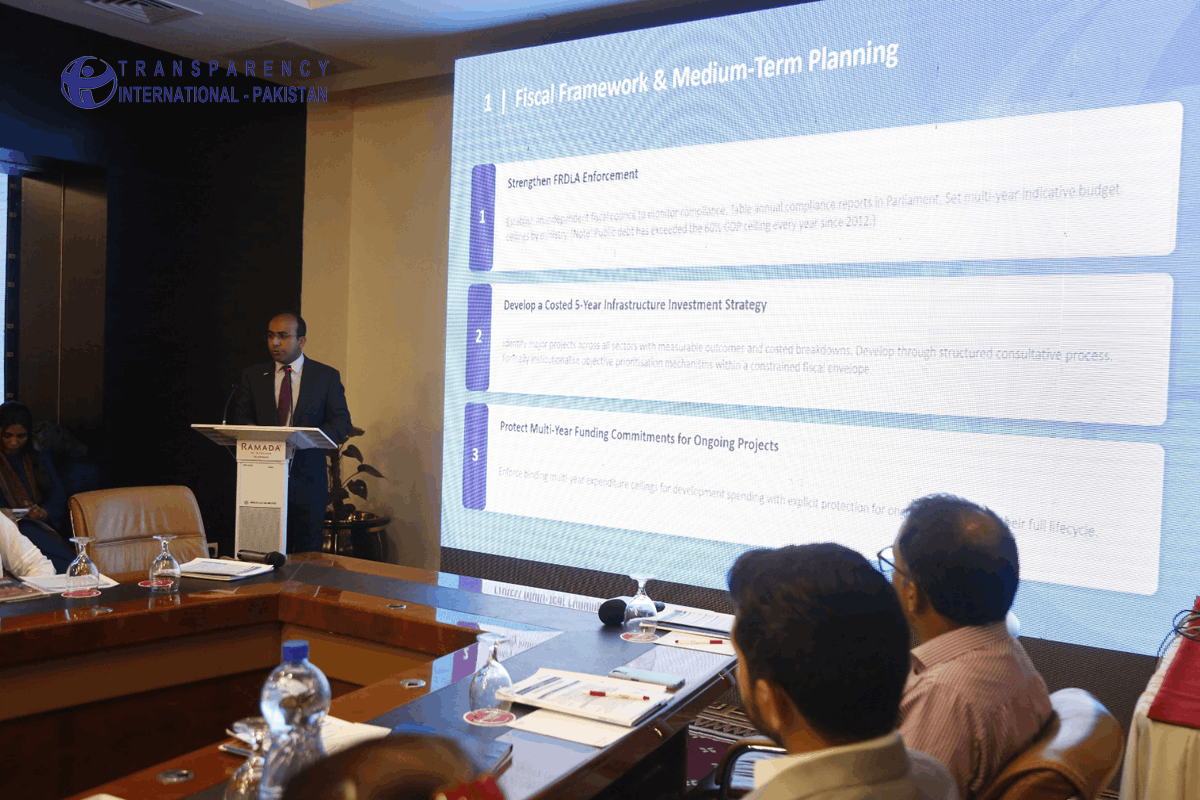
Mr. Kashif Ali, Executive Director, TI Pakistan opened the workshop. He emphasized the importance of strengthening governance in infrastructure investments given their central role in economic development. He noted that the assessment aims to promote evidence based dialogue and support reforms that enhance transparency, accountability, and value for money in public investment. He highlighted key findings from the assessment, which examined governance risks across the broader country context, the National Highway Authority (NHA), and public investment planning and implementation processes. The assessment found that while Pakistan has an extensive regulatory and institutional framework governing infrastructure development, significant gaps remain between formal rules and their implementation. Pakistan was assessed as facing a high level of governance risk, scoring 6.34 out of 10, driven by fiscal pressures, weak project appraisal practices, politically influenced project selection, procurement vulnerabilities, limited accountability mechanisms, and transparency deficits.
The keynote address was delivered by Dr. Kaiser Bengali, economist and policy expert with extensive experience in the National Finance Commission (NFC) and as adviser to the Chief Minister of Sindh for Planning and Development. His address provided broader economic and institutional context, focusing on fiscal constraints, weaknesses in development planning, the need for stronger provincial planning capacities, reforms in state owned enterprises, and improved project accountability mechanisms. He stressed the importance of robust feasibility studies, medium term planning, and greater transparency in infrastructure delivery. He highlighted examples of projects which have suffered governance weaknesses owing to project selections being based on political priorities rather than technical merits. He emphasized that all PC II feasibility studies should meet a bankable feasibility standard and be subject to third party validation for projects above PKR 500 million. Furthermore, he highlighted that the SOEs must maintain targeted disclosures to ensure transparency in how public funds are allocated and spent.
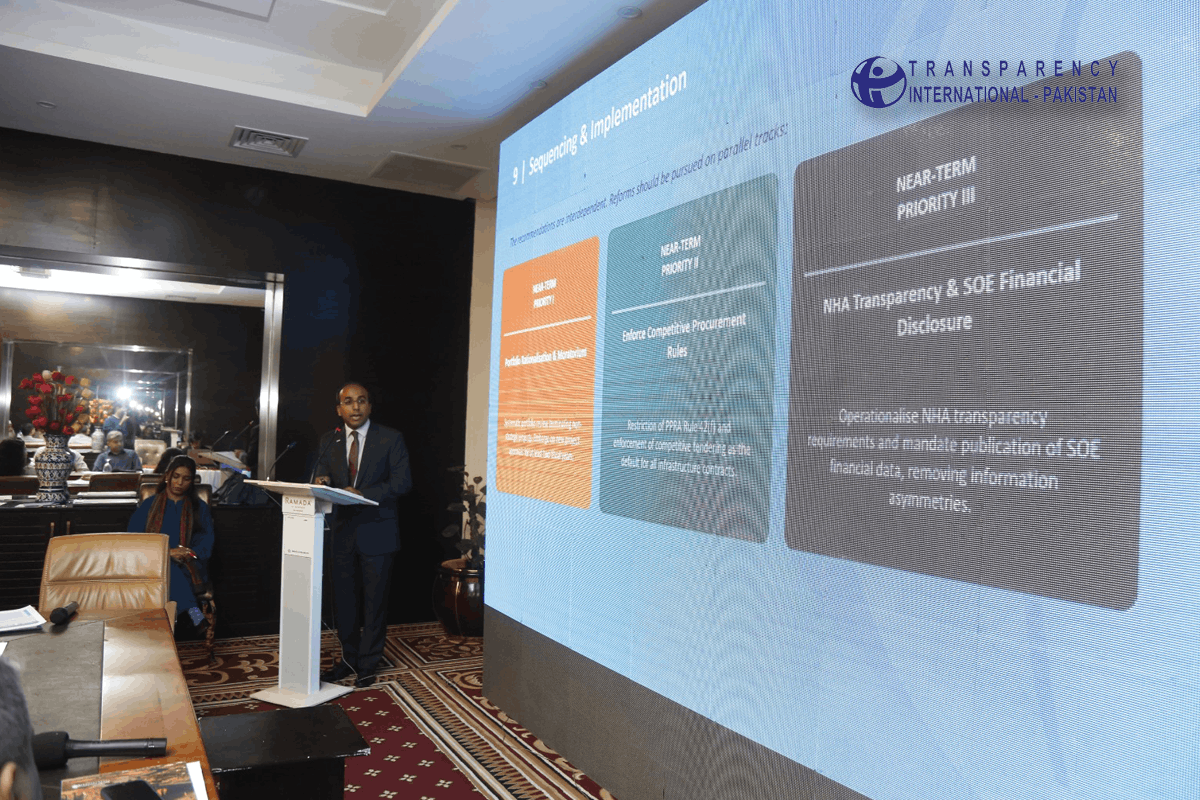
Moving on, Mr. Rafiullah Kakar, lead researcher for the report presented the assessment findings, outlining systemic drivers of governance risks across infrastructure planning, appraisal, procurement, and oversight. Key findings included:
- Pakistan’s public investment has declined from a peak of 4.9 percent of GDP (FY2018) to approximately 2.6 percent (2024), with the PSDP increasingly functioning as a residual fiscal adjustment tool rather than a strategic development instrument.
- Throw forward liabilities have escalated to over Rs 10 trillion in FY2025–26 against an annual PSDP allocation of approximately Rs 1 trillion, meaning it would take more than ten years to clear the existing project portfolio at current funding levels.
- Line ministries routinely bypass Project Concept Note (PCN) and PC II feasibility stages by submitting PC I documents directly.
- The SDG Achievement Programme (SAP) is used as a parallel investment channel for parliamentarians’ schemes, creating a systematic bias towards politically visible, short term projects over investments with stronger development returns.
- PPRA Rule 42(f) has been progressively expanded to permit broad SOE direct contracting exceptions, resulting in documented cases of large infrastructure contracts awarded without competitive tendering. The SOE Act 2023 further allows SOEs to frame their own procurement policies outside PPRA.
- The assessment recommends that Rule 42(f) be amended to require publication within 30 days of any direct award, including justification and contract value. Single source bidding should be confined to genuine constraints such as technical uniqueness or national security, and should not be used as a routine procurement route.
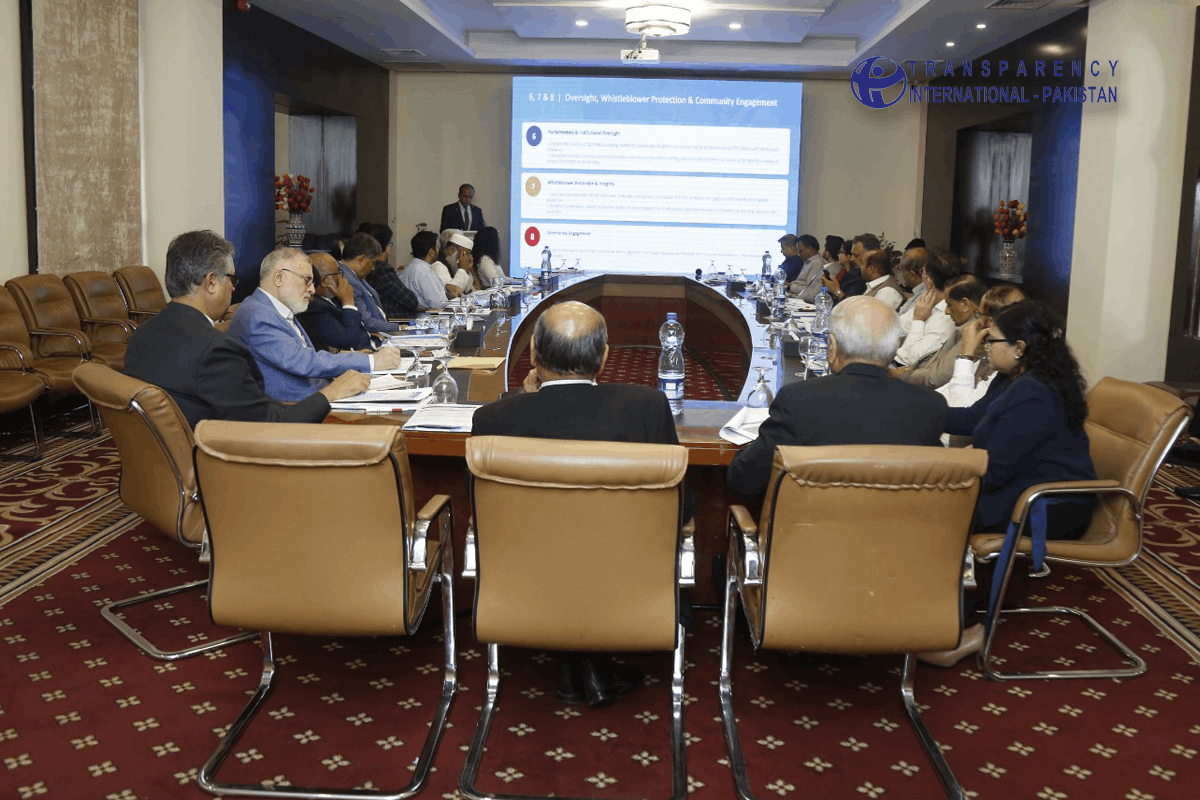
The discussion session generated active participation from attendees on issues related to fiscal discipline, medium term planning, procurement transparency, state owned enterprise reform, parliamentary oversight, access to information and community engagement. Participants broadly agreed on the need to strengthen planning processes, improve accountability mechanisms, enhance transparency throughout the project lifecycle, and ensure more effective oversight of public investment decisions.
The open Q and A session surfaced several key reform priorities:
- Hamid Sarfraz, Executive Director, DevConsult recommended the need for strong devolution and the role of Expenditure Finance Committee mechanism for third party audit of the project. He also highlighted PSDP digitalization in Balochistan, something other provinces can reflect, and called for systematic climate proofing of infrastructure projects.
- Shahzada Muhammad Gushtasap, Member National Assembly highlighted road construction driven by political considerations and called for stronger oversight of politically influenced project selection under parliamentary schemes.
- Participants raised concerns about weak implementation of Rules 201(6) and 201(7) of the Parliament Rules of Procedure and Conduct of Business. In practice, implementation has remained weak. According to National Assembly Secretariat records, Standing Committees forwarded 202 recommendations over the past ten years, and none was accepted, nor were any reasons provided.
- Syed Farasat, Secretary General Jamaat-i-Islami Islamabad emphasized the importance of advancing digital documentation processes and making key project documents available in Urdu to improve accessibility.
- Syed Raza Ali, CEO Peace and Justice Network highlighted the importance of engaging civil society organisations, local government bodies, and Planning and Development boards as key accountability actors.
- Shaista, Director National Highway Authority shared that 50 cases had been made public through the Grievance Redress Committee, reflecting an 80 percent rate of responsive engagement. They also noted that PPRA Rule 42(f) is applicable in hard areas, though some participants disagreed. She further highlighted that NHA implement e-katcheri to engage citizens and has active public complaint system.
Overall, the participants acknowledged many of the challenges identified in the report and welcomed the focus on implementation. Discussions reflected a shared interest in practical reforms to improve planning, oversight, and delivery in infrastructure sector, while balancing fiscal realities and development priorities.
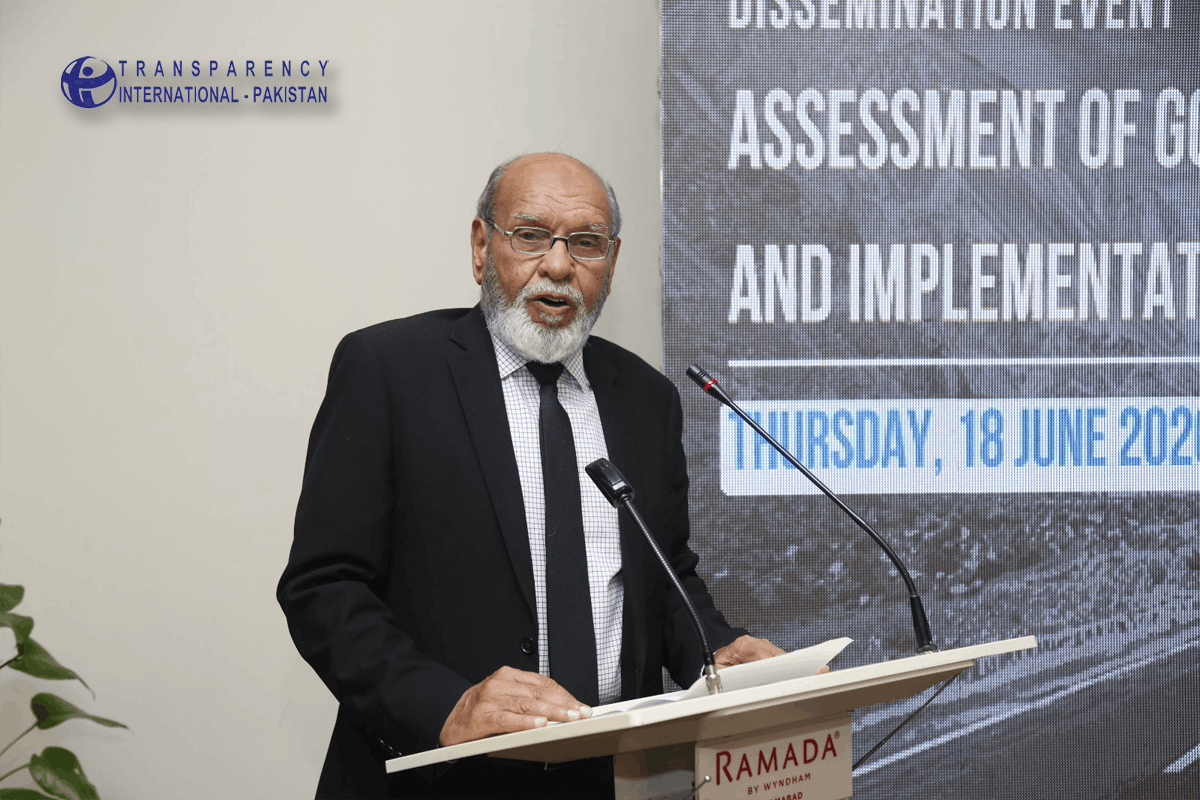
Towards the end, Justice (R) Zia Perwez, Chairman, TI Pakistan reiterated the importance of transparent and accountable infrastructure governance for sustainable development. He emphasized that robust infrastructure is the backbone of economic resilience and social development, noting that infrastructure investments, from energy networks and transport corridors to public works, shape the daily lives of citizens and lay the foundation for long term national prosperity. He highlighted that given the scale of public capital involved, ensuring transparency, value for money and strong governance in public investment is central to good governance in infrastructure management.
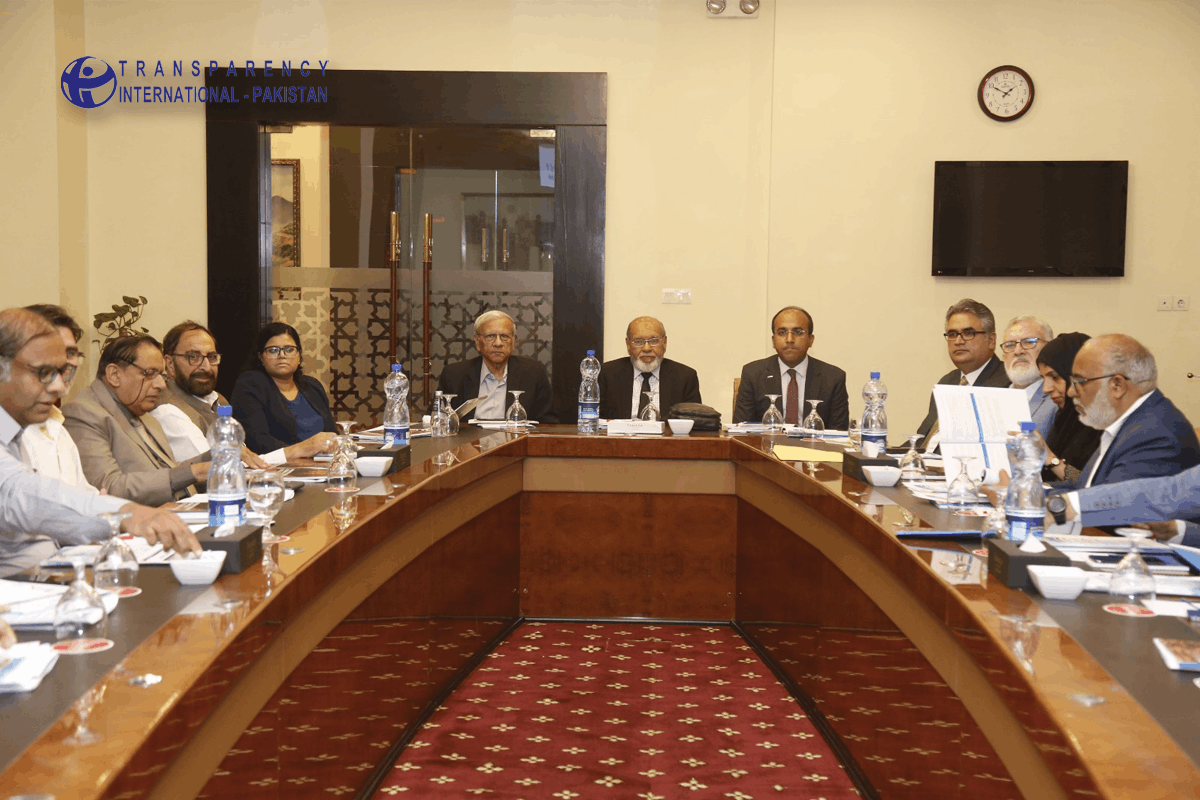
The event concluded with a strong consensus on the need for continued collaboration among government institutions, parliamentarians, civil society, and development partners to address governance vulnerabilities, improve transparency and enhance the effectiveness of infrastructure investments across the country.