Consultative Meeting with Parliamentarians on Carbon Markets Governance
Consultative Meeting with Parliamentarians on Carbon Markets Governance
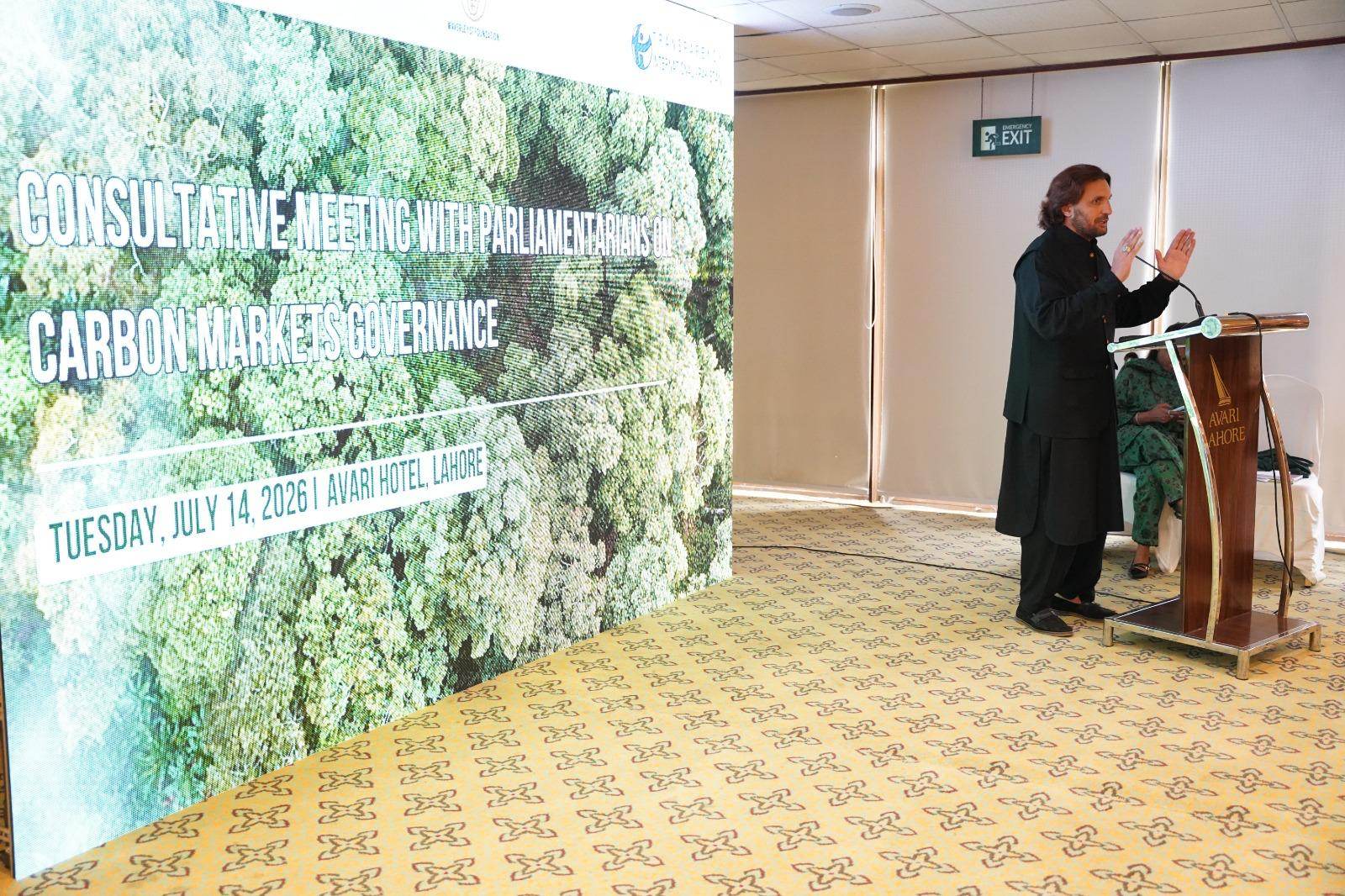
Tuesday, July 14, 2026
Avari Hotel, Lahore
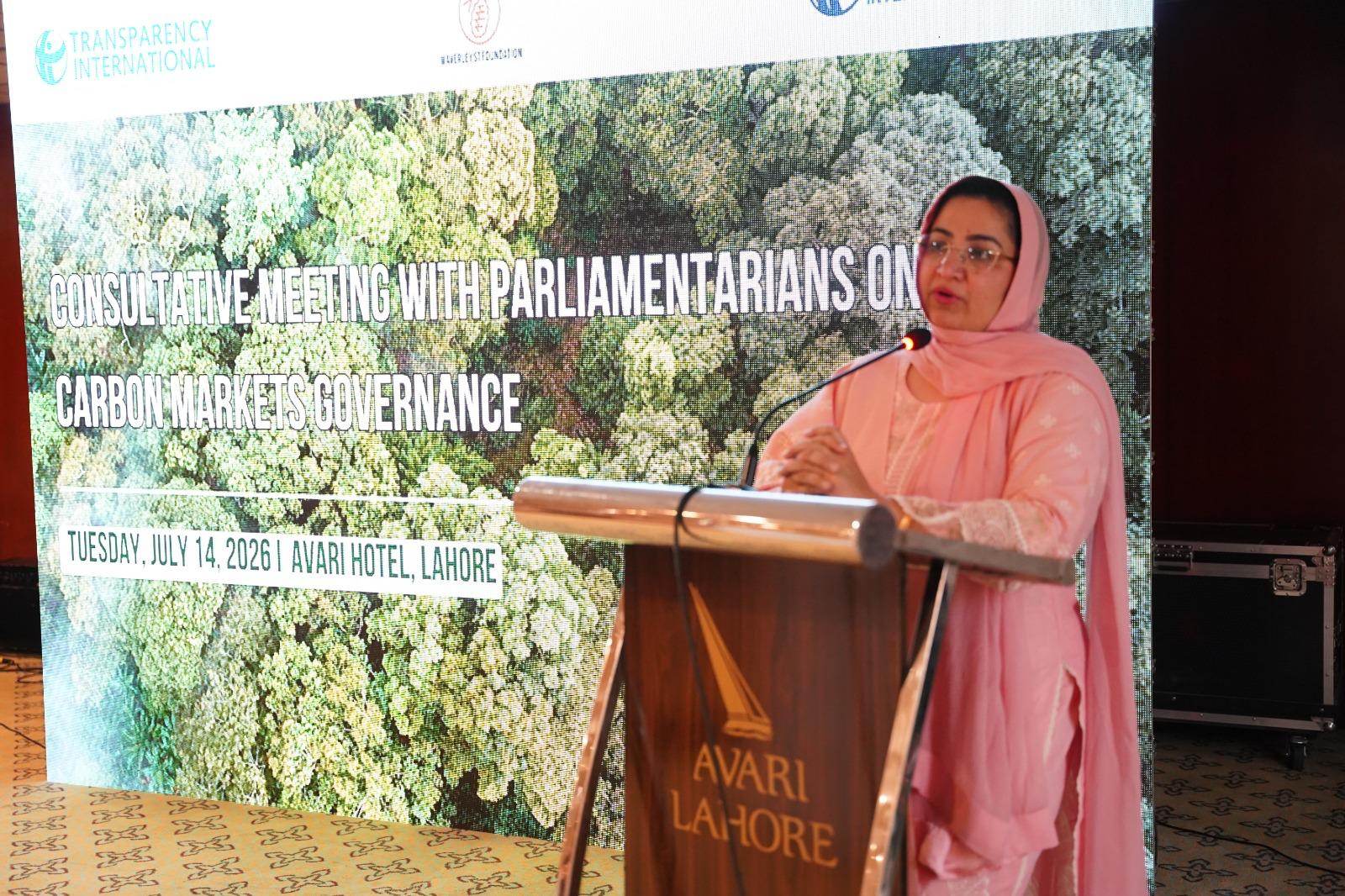
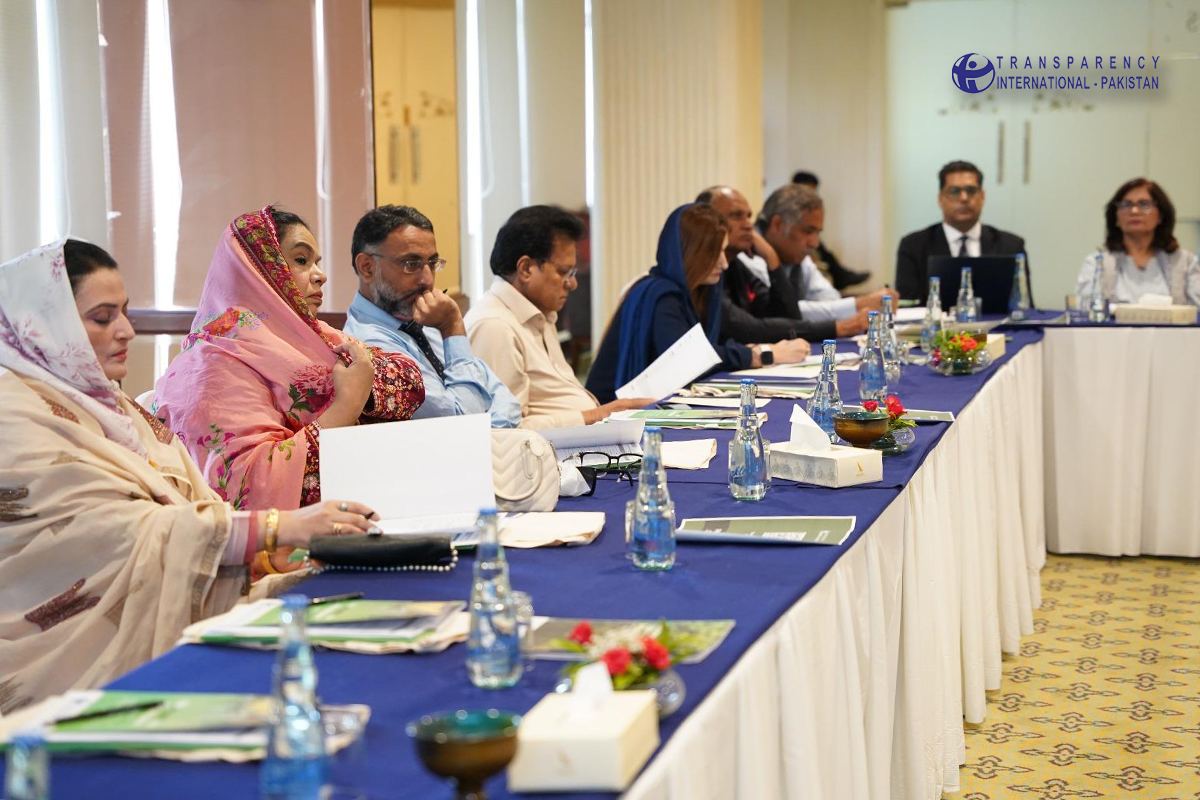
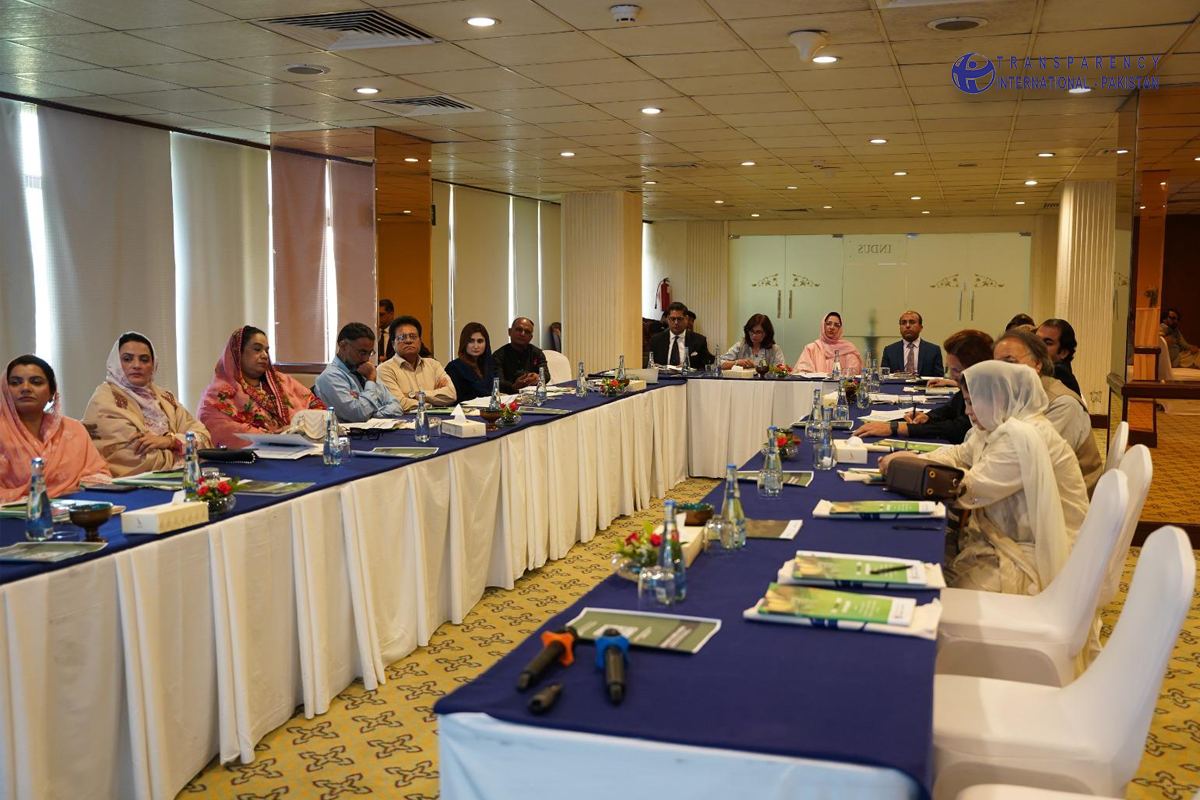
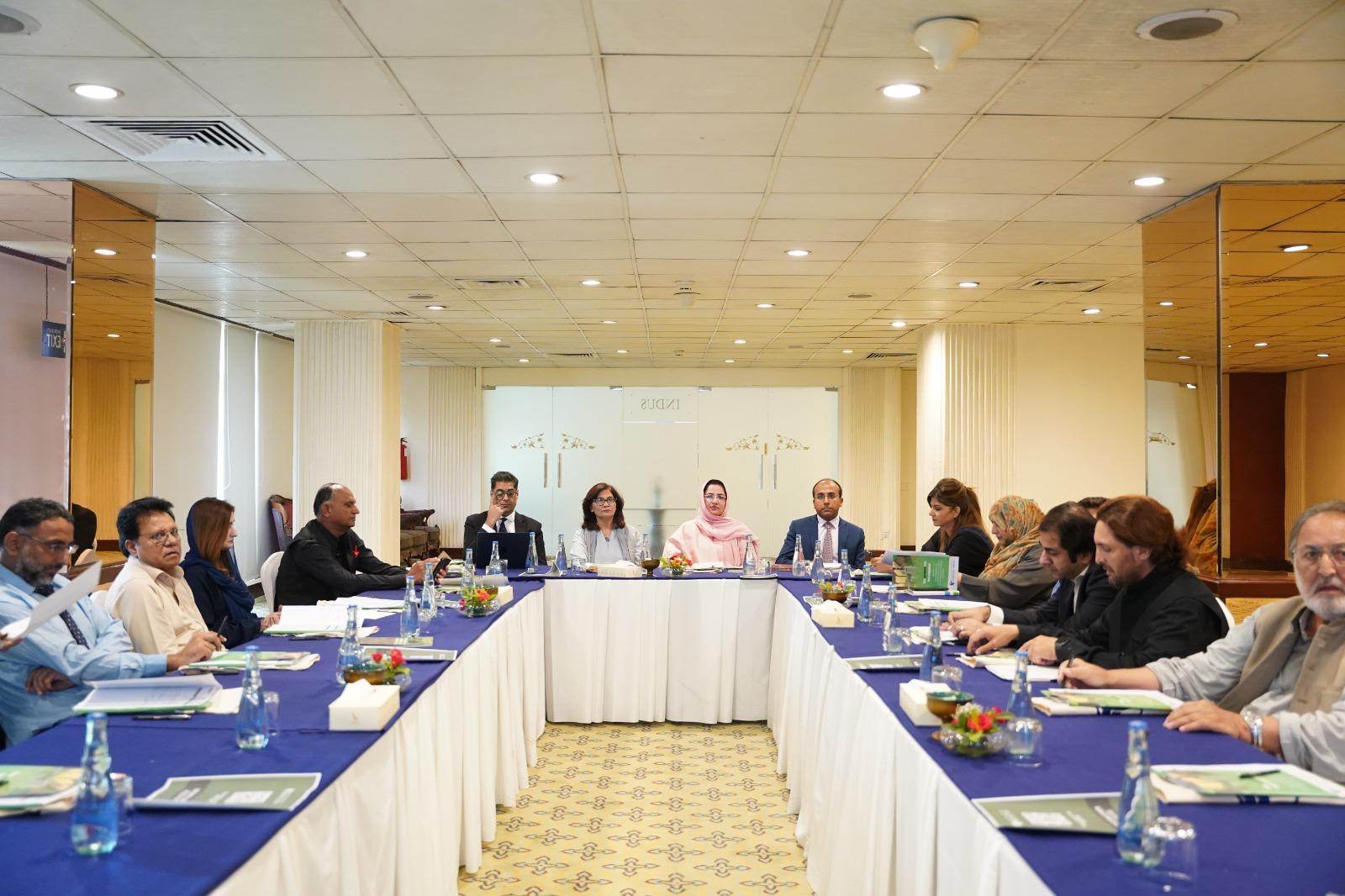
On July 14, 2026, Transparency International Pakistan convened a consultative meeting with parliamentarians in Lahore to discuss carbon markets governance. The session, held at the Avari Hotel, was the third in a nationwide series of engagements under TI Pakistan’s Climate Governance Integrity Programme. The purpose of the consultation was to build parliamentarians’ understanding of carbon market governance and to encourage their active engagement in shaping the legislation and oversight needed for Pakistan’s carbon market to develop credibly.
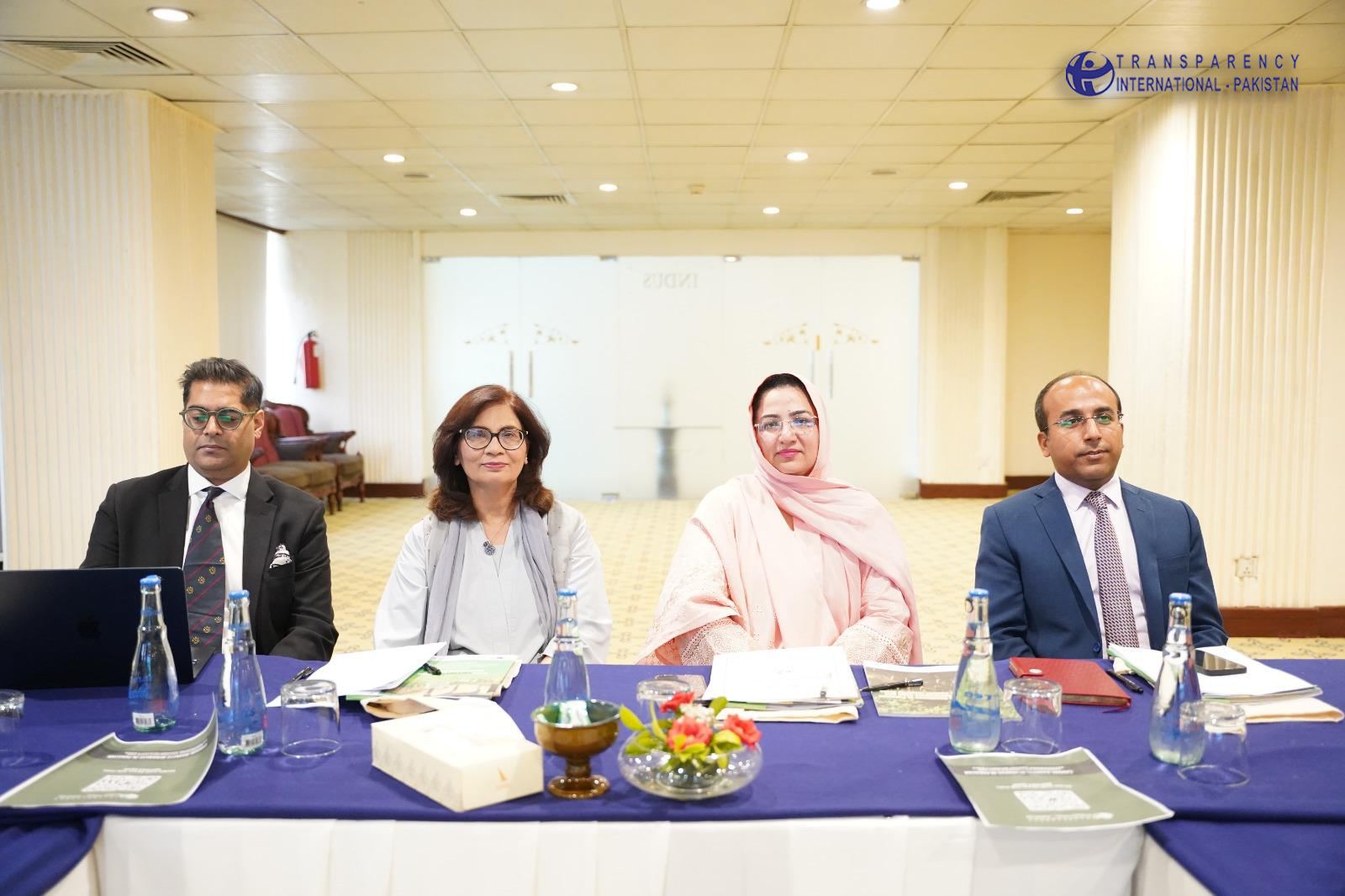
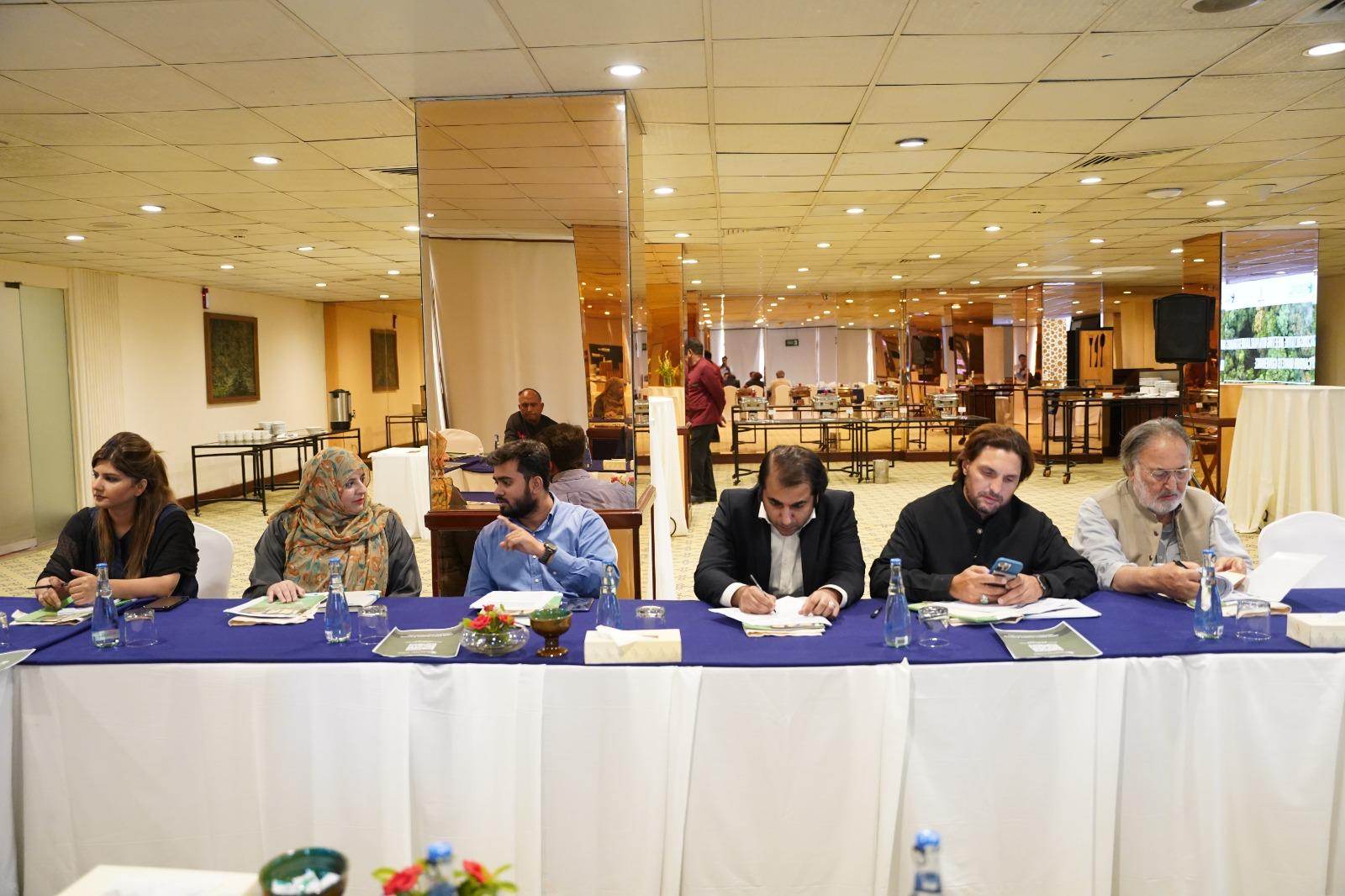
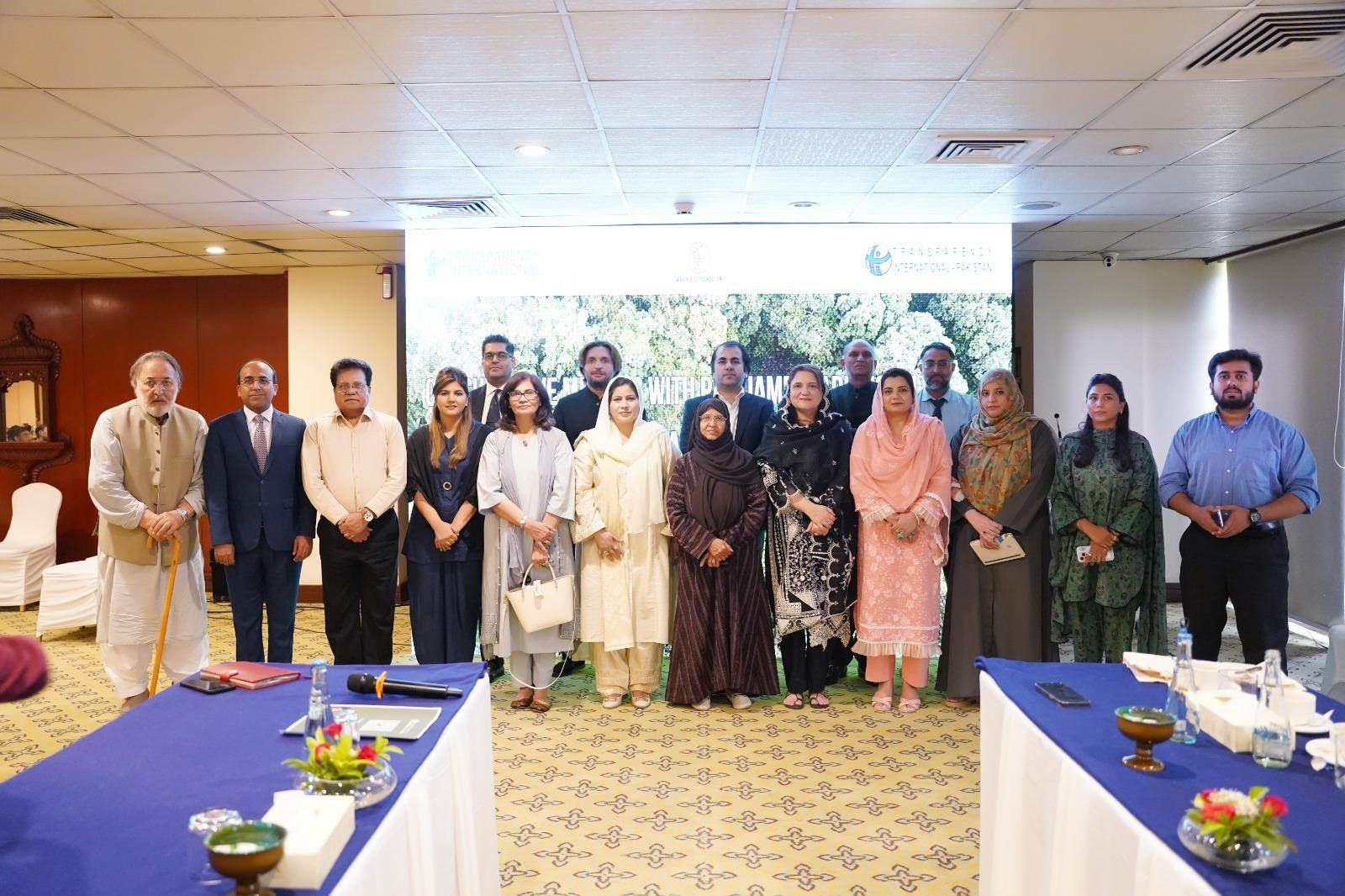
The Lahore meeting brought together parliamentarians from across party lines, officials from the Government of Punjab’s Environment Protection and Climate Change Department, representatives from the Ravi Urban Development Authority (RUDA), technical and legal experts, and TI Pakistan staff and leadership. The discussion centred on the findings of TI Pakistan’s report, Carbon Markets Readiness in Pakistan: Addressing Governance Gaps and Safeguarding Against Integrity Risks, and the accompanying legislative roadmap developed for parliamentarians.
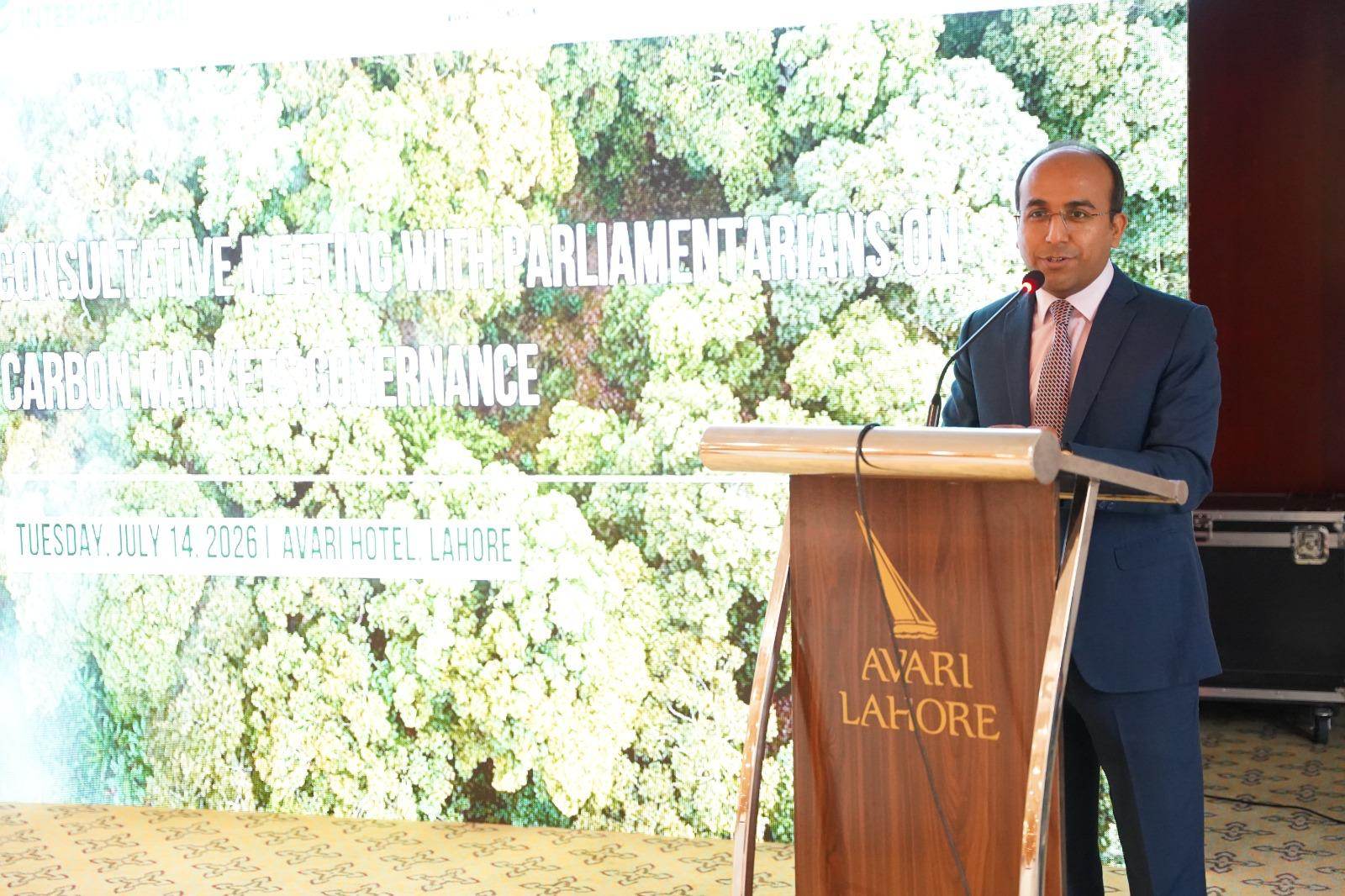
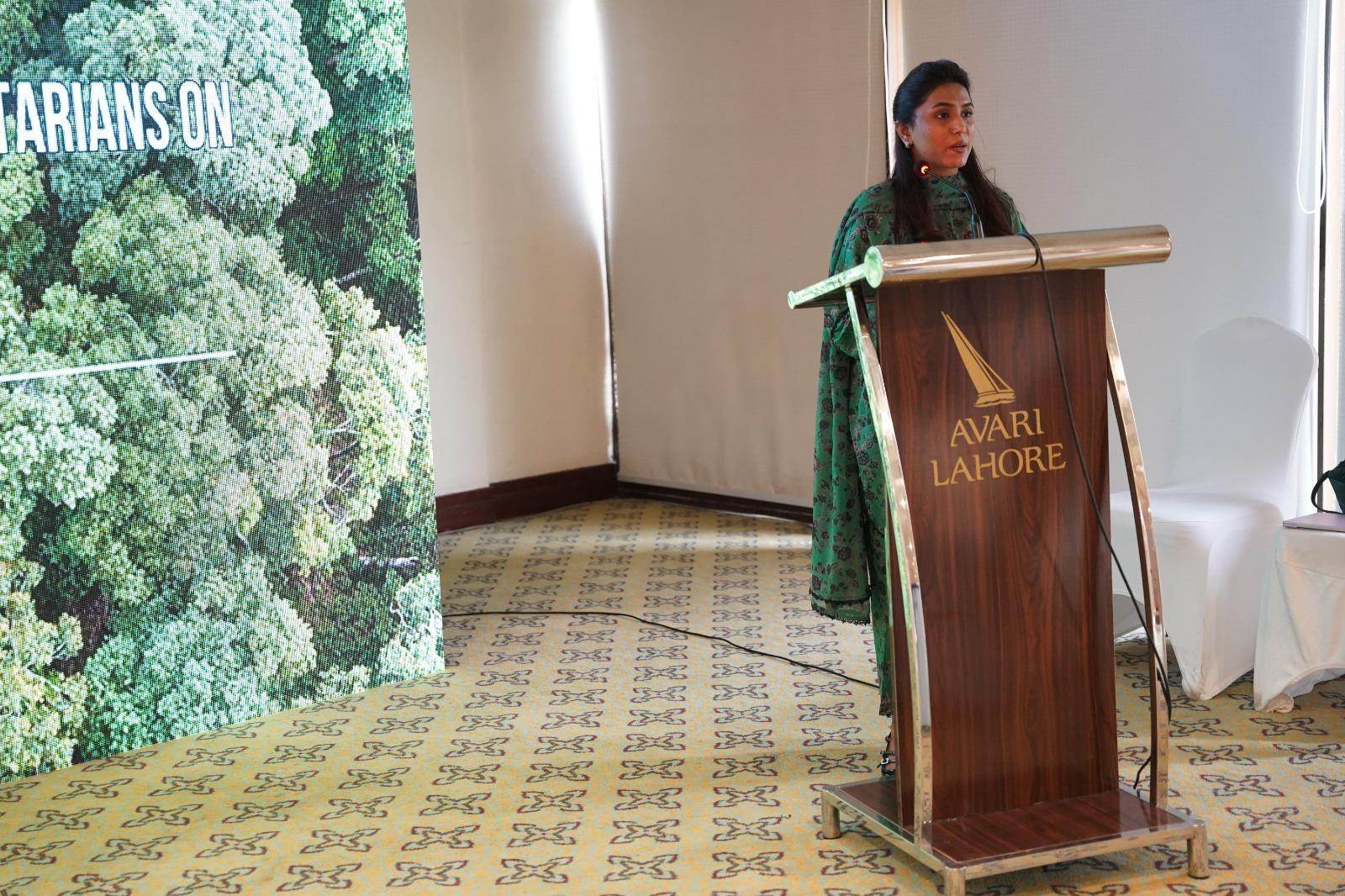
The session opened with welcoming remarks from Mr. Kashif Ali, Executive Director of TI Pakistan, who walked participants through the report’s key recommendations. These included the need to establish robust data infrastructure, strengthen the legal and regulatory foundations for carbon markets, and institutionalize safeguards for equity and public participation. Mr. Ali also introduced the parliamentary roadmap, framing it as a practical set of steps for parliamentarians to help carry forward.
Ms. Silwat Saeed, Secretary of the Environment Protection and Climate Change Department, Government of Punjab, followed with an overview of the range of climate-related work currently underway in the province. She spoke about ongoing legislative and policy reforms, efforts to strengthen relevant institutions, and citizen engagement initiatives such as the CM Punjab Green Credit Program. She also briefed participants on the provincial government’s broader efforts to strengthen climate governance and to mobilize climate financing by tapping into the potential of carbon markets.
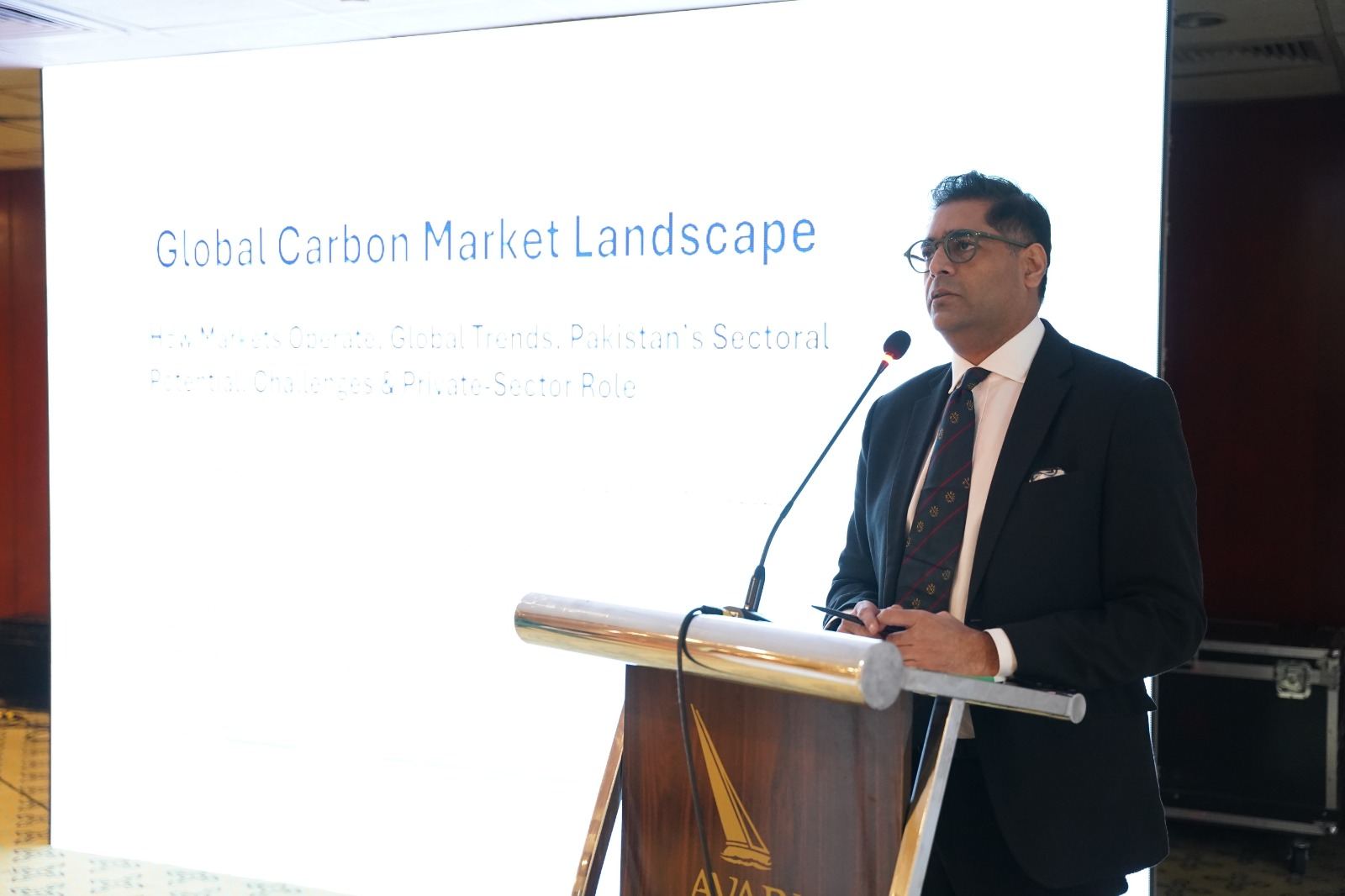
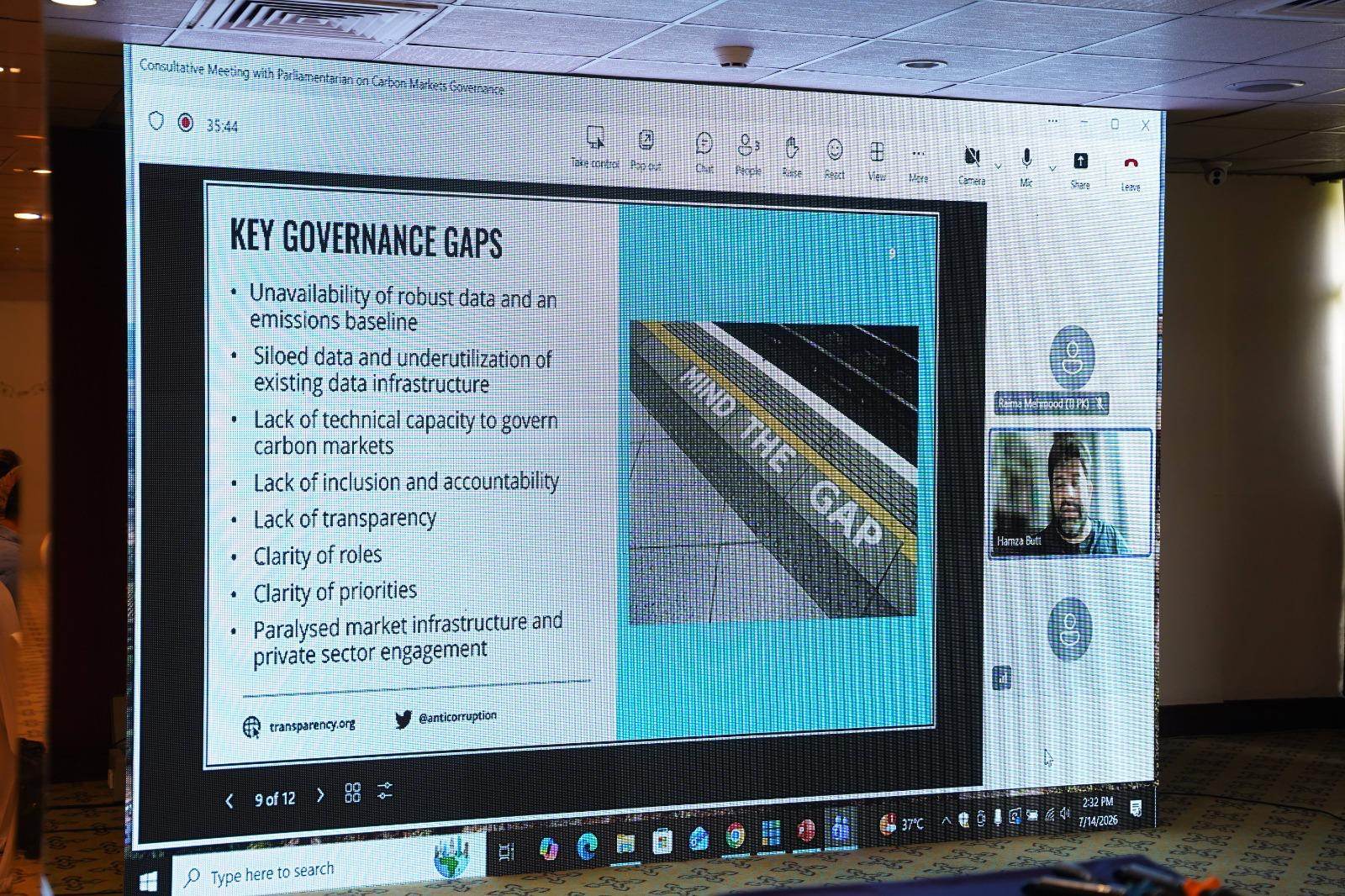
The discussion then moved into more technical aspects of carbon markets. Mr. Hamza Rafay Butt, Climate and Nature Finance Expert at UNEP-WCMC, presented an overview of Pakistan’s carbon market readiness, outlining the scale of the country’s climate finance needs and the governance gaps that remain across data systems, institutional capacity, and transparency. He was followed by Mr. Syed Bulent Sohail, Managing Partner at Sohail & Partners, who spoke on the legislative way forward, addressing the legal and regulatory clarity needed on question such as carbon rights, ownership, and enforcement, and outlining what a stronger set of carbon market rules could look like for Pakistan.
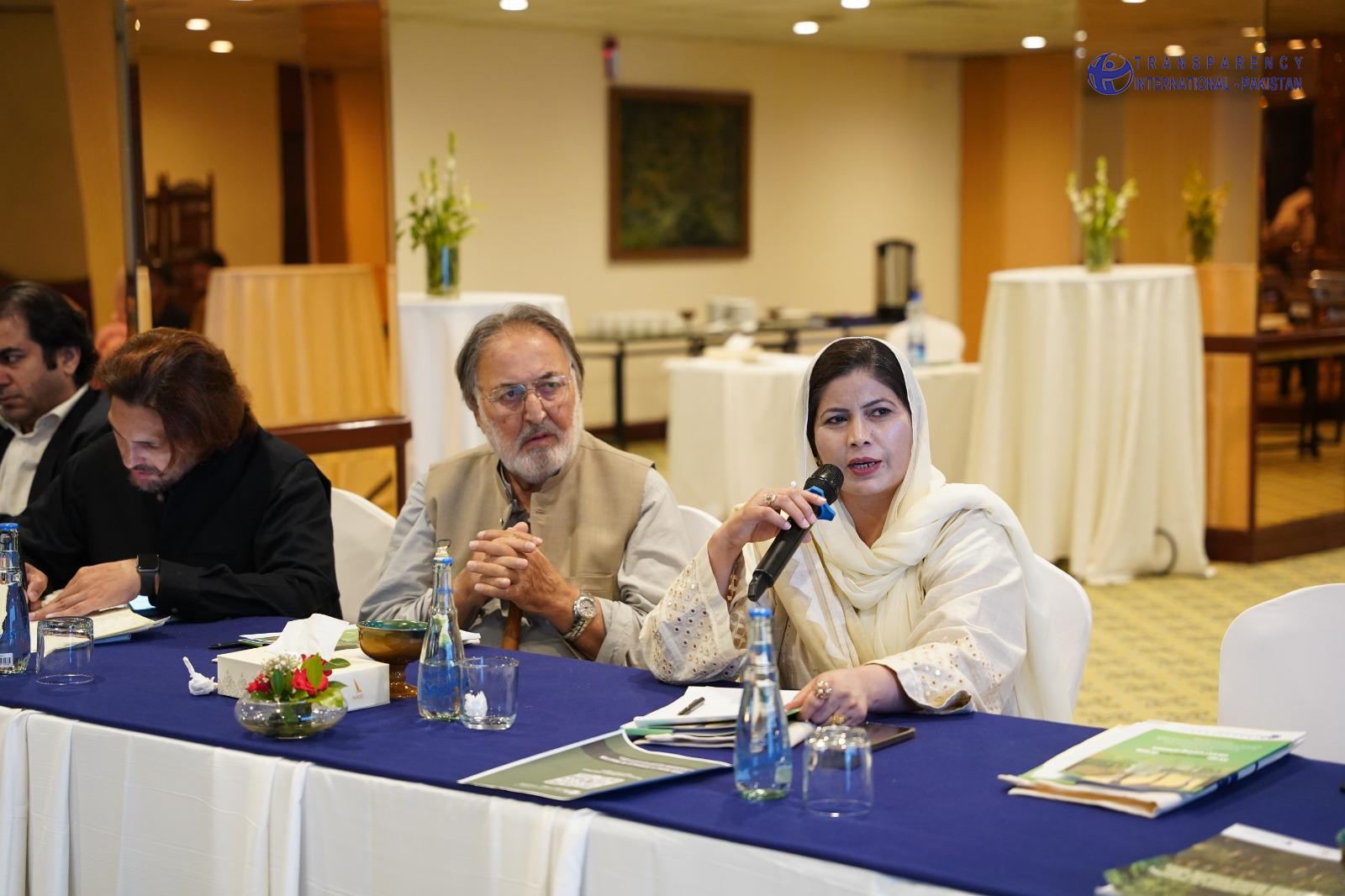
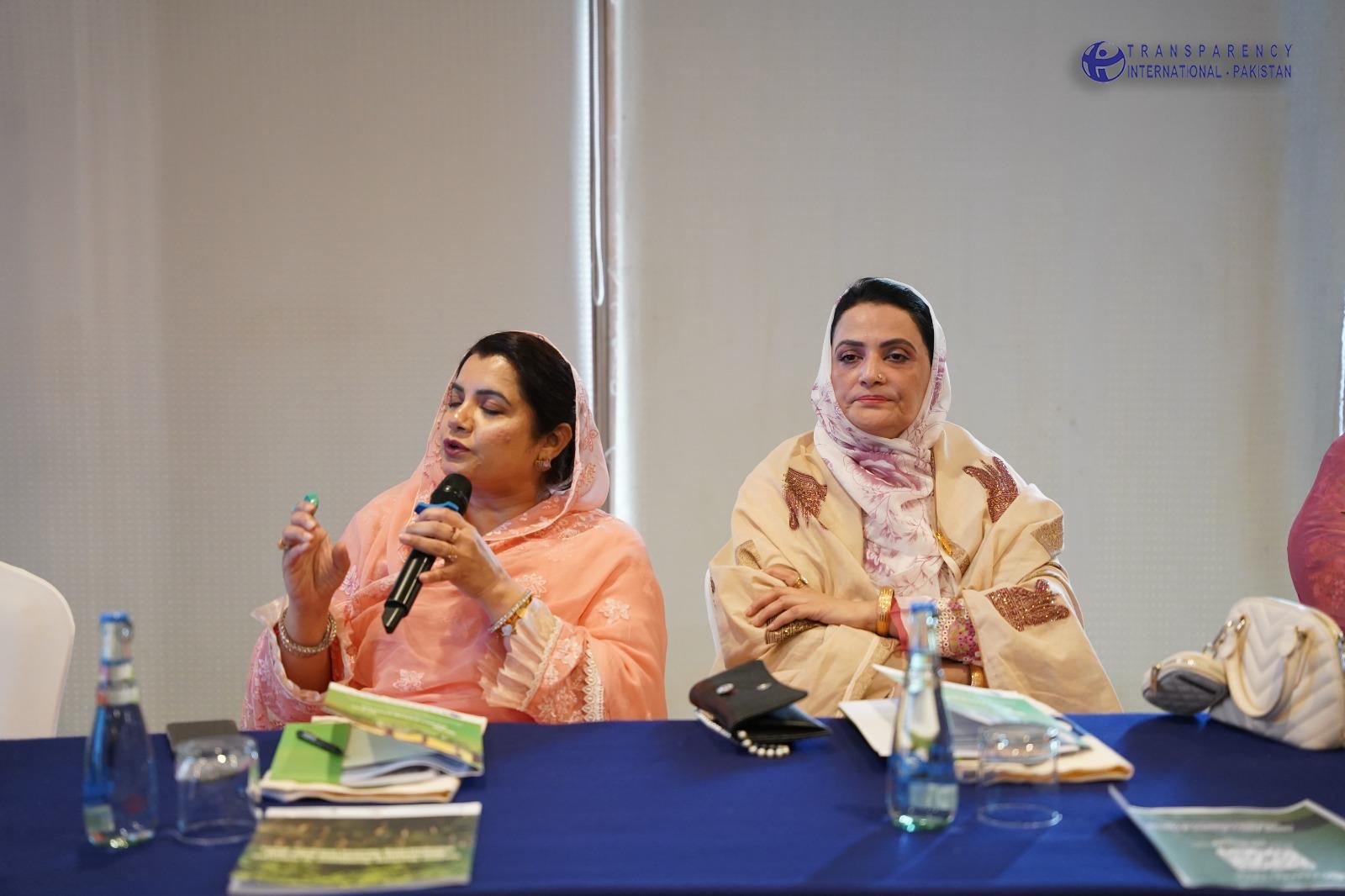
An open discussion followed these two presentations, giving participants the opportunity to raise questions and share their own perspectives on the material presented.
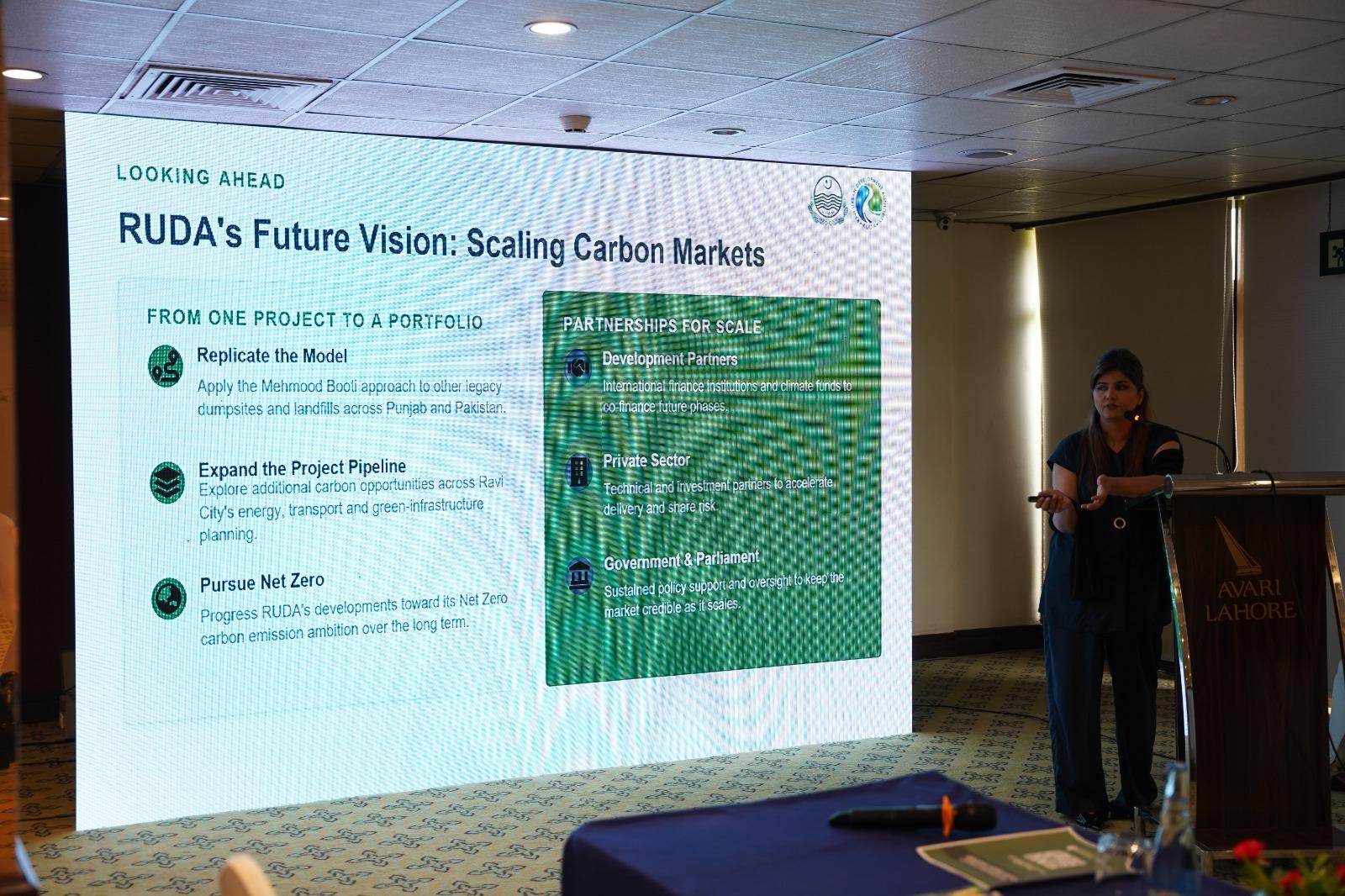
The second half of the session turned to a concrete example of carbon markets in practice. Ms. Ahad Hassan, Head of Carbon Markets and Climate Finance at RUDA, presented Punjab’s flagship carbon market initiative, the Mehmood Booti Dumpsite Rehabilitation Project, illustrating how the concepts discussed earlier in the session are being applied on the ground.
Parliamentarians from across party lines then took the floor to share their remarks. There was broad recognition of the country’s potential in carbon markets, coupled with consistent emphasis on the need for good governance and equitable benefit-sharing, so that the benefits of carbon market activity reach the communities most affected by climate change. The exchange was an active and interactive one, with parliamentarians engaging directly with the speakers and with each other.
The meeting closed with remarks from Prof. Dr. Uzma Shujaat, Board of Trustee at TI Pakistan, who reflected on how far Pakistan’s carbon market journey has come, from early Clean Development Mechanism projects to the growing momentum around Article 6 implementation. She reiterated that ambition alone is not enough, and that it must be matched by strong governance, integrity, and inclusivity, with Parliament playing a central role in that effort going forward. TI Pakistan will continue to engage parliamentarians on the adoption of the report’s recommendations and the legislative roadmap in the period ahead.