Provincial Consultative Meeting and Capacity-Building Workshop on Anti-Corruption, Good Governance, and Complaint Redress Mechanisms
Provincial Consultative Meeting and Capacity-Building Workshop on Anti-Corruption, Good Governance, and Complaint Redress Mechanisms
Date: Thursday, January 29, 2026
Venue: MovenPick Hotel (Ballroom A), Karachi
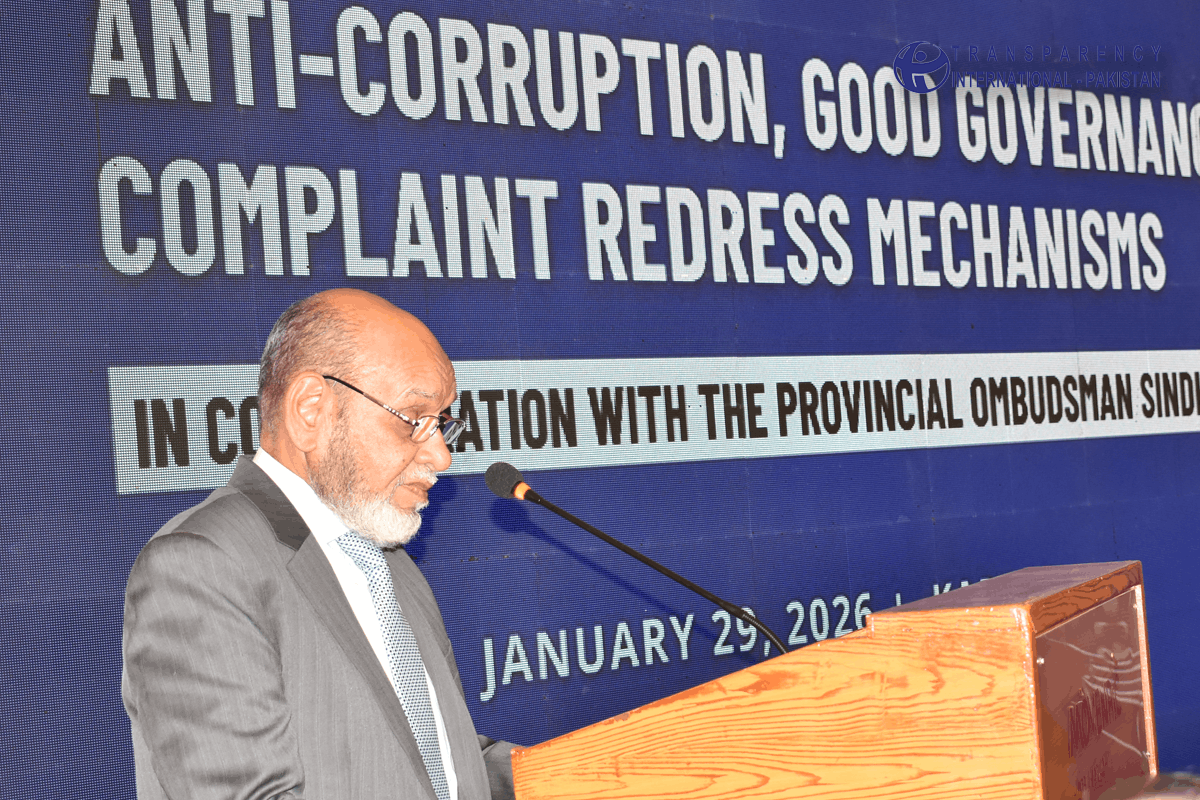
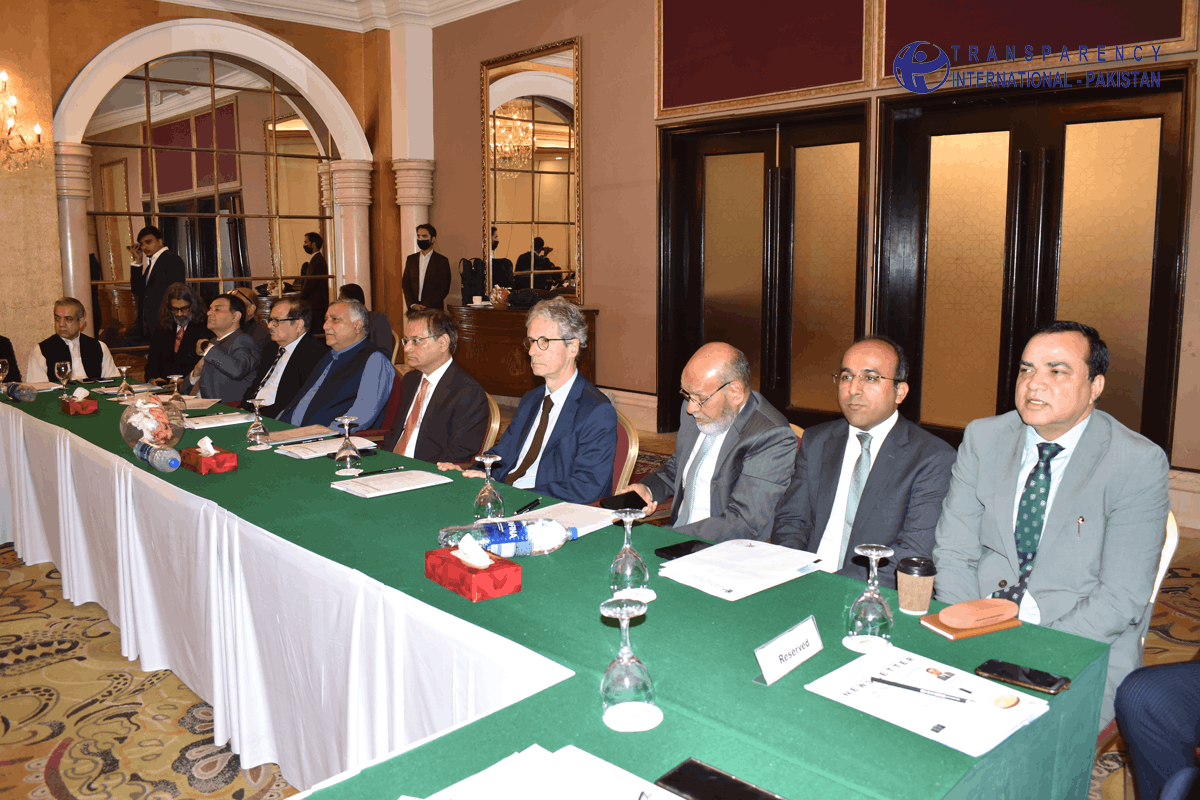
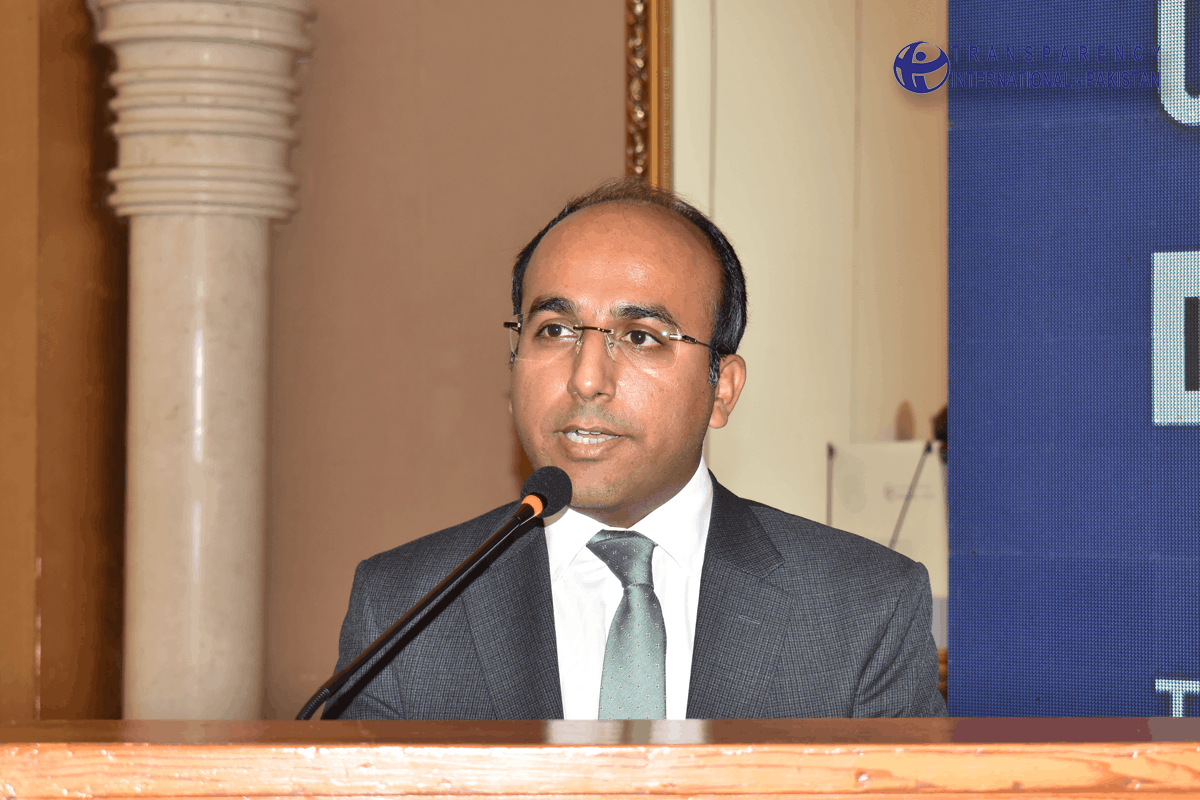
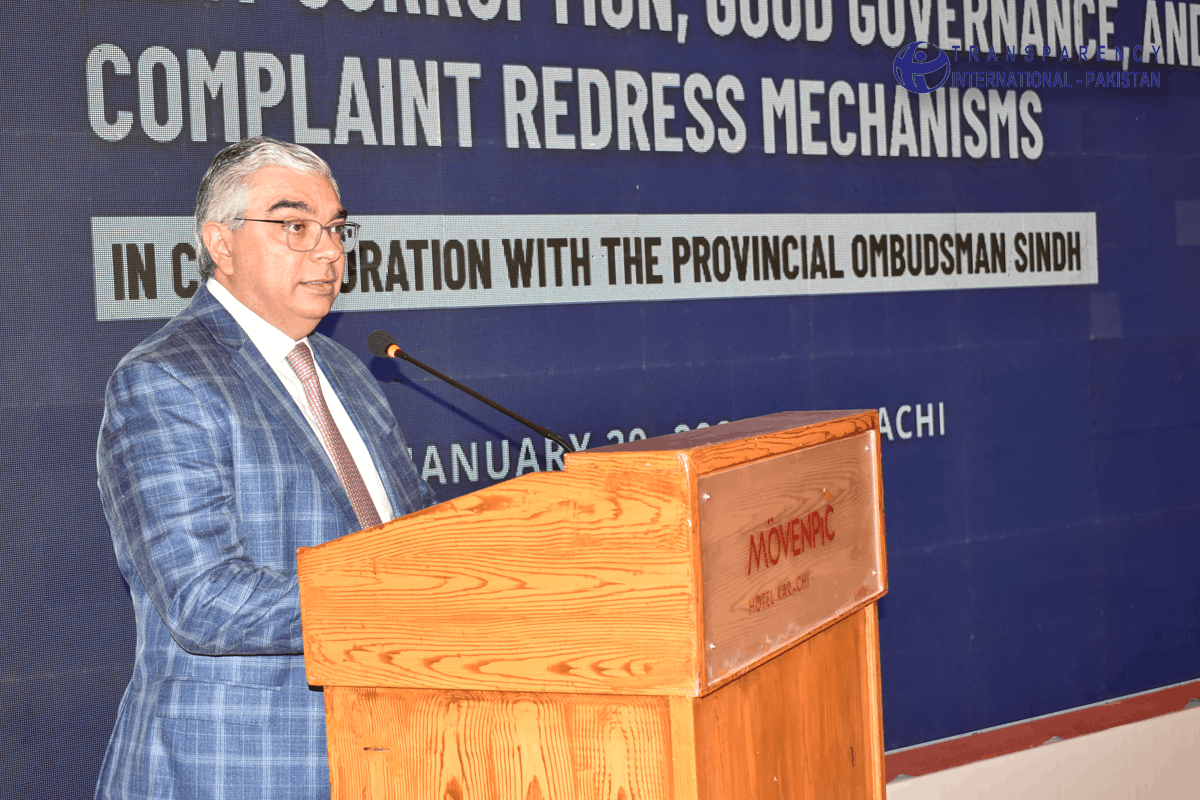
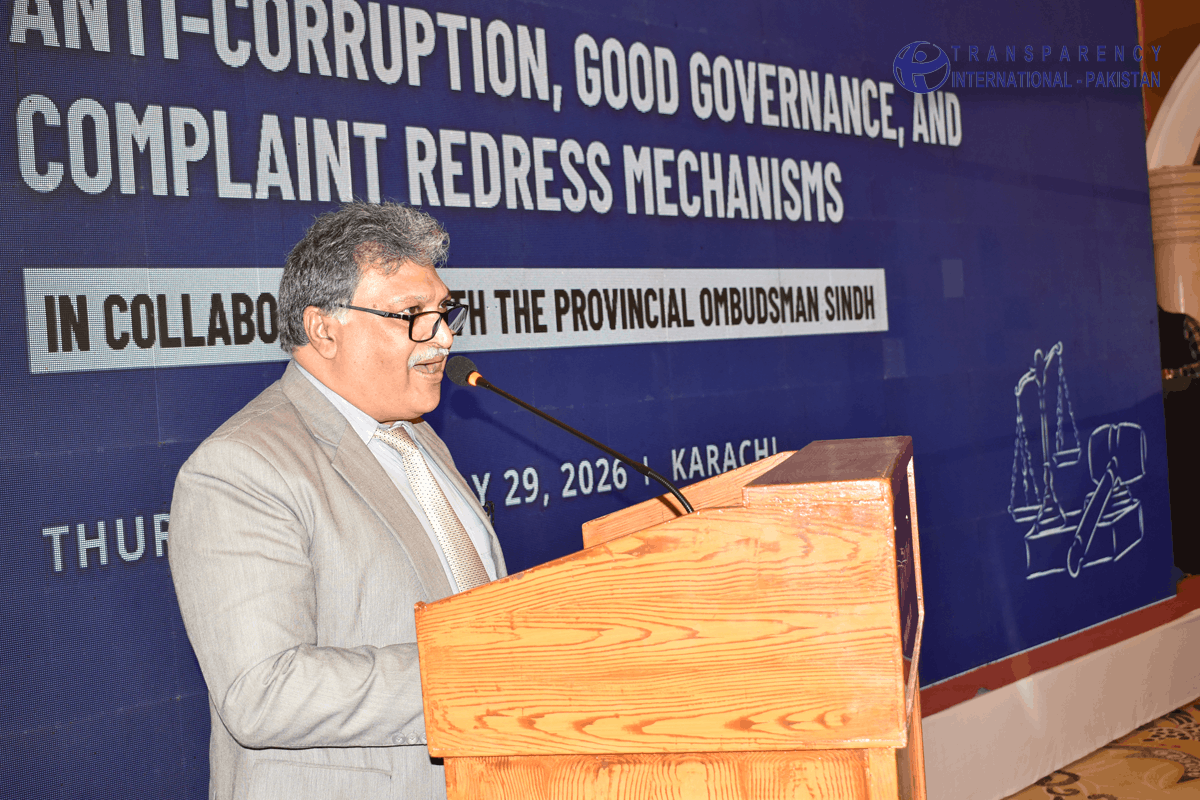
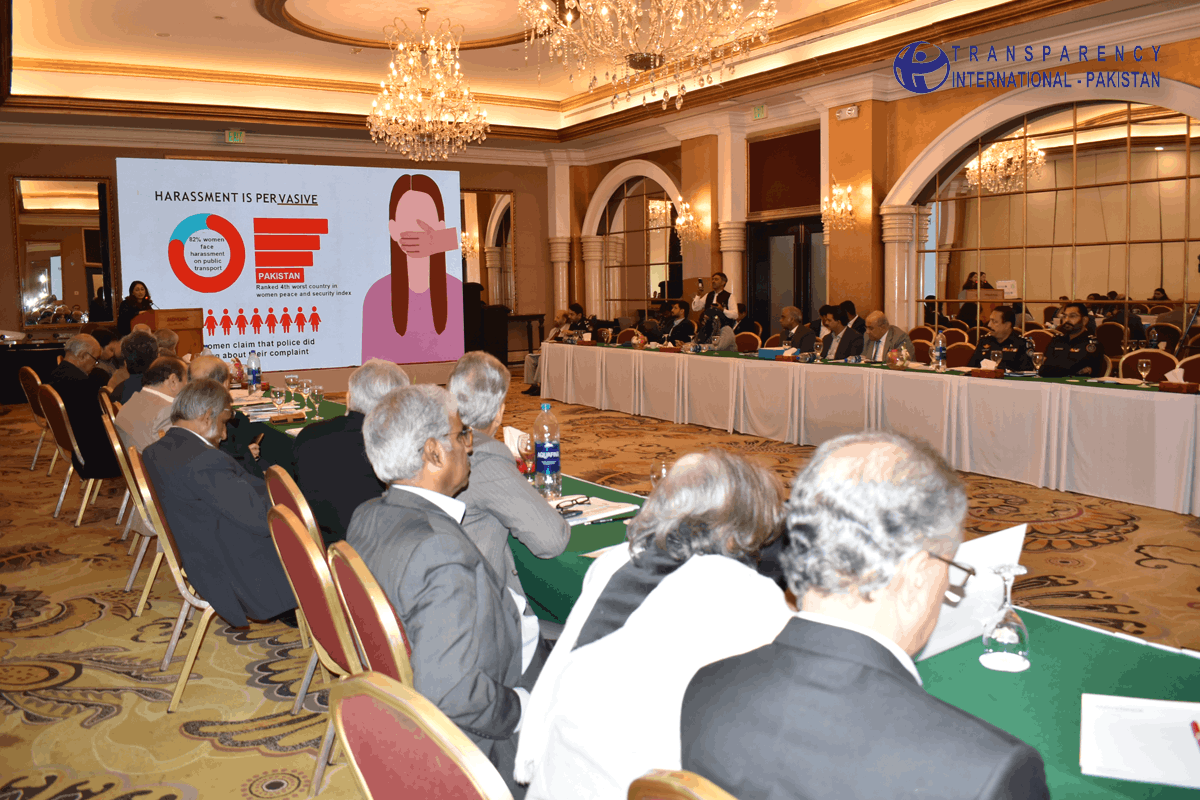
Transparency International Pakistan (TI Pakistan), in collaboration with Ombudsman Sindh, organised a Provincial Consultative Meeting and Capacity-Building Workshop at MovenPick Hotel, Karachi. The workshop aimed to strengthen institutional understanding and practical implementation of anti-corruption measures, principles of good governance, and effective complaint redress systems in Sindh. The workshop was attended by senior officers from various departments of the government of Sindh, and provided a platform for senior government officials, regulatory authorities, academic experts, and civil society representatives to exchange knowledge and collaborate on promoting transparency, accountability, and citizen-centred governance.
The event commenced with the recitation of the Holy Quran, followed by the national anthem.
Justice (R) Zia Perwez, Former Judge of the Supreme Court of Pakistan and Chairman of TI Pakistan, welcomed the distinguished speakers, senior officers, and participants to the workshop and expressed his gratitude to the Provincial Ombudsman Sindh for the collaborative efforts.
Justice Perwez emphasized that combating corruption and improving governance are essential for social development. He highlighted the importance of strong systems of social accountability and underlined that these systems enable citizens to access information, lodge complaints, and receive timely and fair redress. He also underscored the vital role of the ombudsman, in bridging the gap between citizens and administration. He added that the workshop will facilitate meaningful dialogue, and the development of a roadmap to strengthen oversight and complaint handling mechanisms to improve public service delivery.
Further, Mr. Kashif Ali, Executive Director of TI Pakistan, welcomed the officers, outlined the objectives of the workshop and provided an overview of TI Pakistan. Mr. Ali noted that TI Pakistan endeavours to promote transparency, policy reforms, citizen engagement, and institutional capacity building. He emphasised the importance of proactive disclosure and effective complaint redress as key tools in preventing corruption, noting that effective complaint-handling systems are the backbone of good governance and quality public service delivery.
Moving on, Mr. François Valérian, Chair of Transparency International, delivered his keynote remarks. He discussed the central role of good governance in building public trust, achieving sustainable development, and ensuring effective public service delivery. He shared international perspectives and best practices that demonstrate how transparency and accountability contribute to stronger institutions and better development outcomes. He noted that corruption doesn’t add value into society but destroys the structure of it.
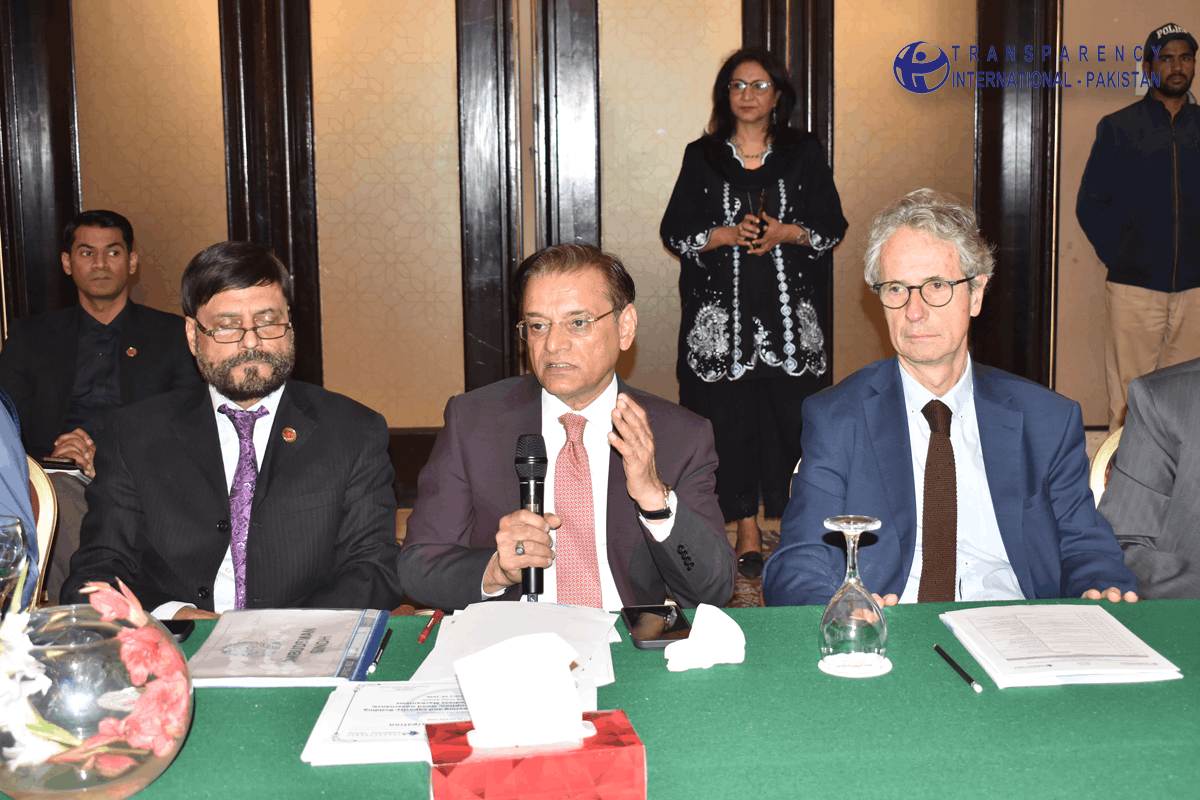
Later on, Mr. Muhammad Sohail Rajput, Provincial Ombudsman Sindh, delivered his presentation and elaborated on the Ombudsman’s role in safeguarding citizens’ rights through accessible and efficient complaint redress systems. He noted timely resolution of grievances as a key factor in improving institutional credibility, and underscored that the Ombudsman Secretariat established meaningful collaborations with CSOs to increase outreach and strengthen capacity building. Mr Rajput also commended TI Pakistan for establishing the partnership for greater transparency and efforts for enhancing public trust among institutions. The Ombudsman acknowledged key challenges such as low public awareness, limited trust in complaint redressal mechanisms, and delays in complaint disposal.
To address these challenges, he said that the Ombudsman’s office launched extensive awareness and engagement initiatives, particularly through university outreach programs and the Ambassador Program, which later translated into structured internship opportunities for students and fresh graduates. This initiative aimed to cultivate awareness among youth while building future ambassadors for administrative justice.
He also explained the rationale behind Khuli Katcheries across Union Councils and Tehsils, where thousands of grievances informally seek resolution on the spot under Section 33. Special sessions were also conducted in remote educational institutions to expand access to grievance redressal knowledge in underserved areas. Mr Rajput also explained the expansion of digital and media presence through social media platforms, SMS campaigns to reach millions of citizen to raise awareness.
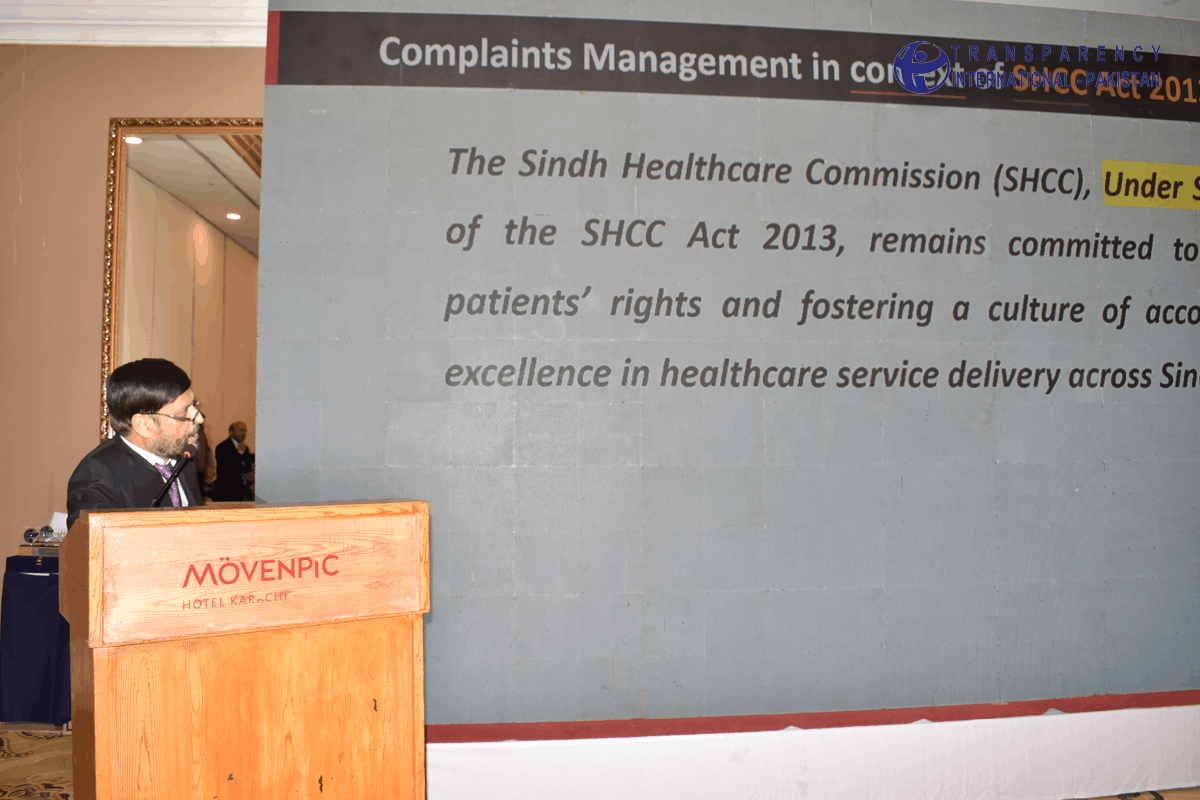
Subsequently, another presentation was delivered by Dr. Ahson Qavi Siddiqi, CEO, Sindh Healthcare Commission, who provided an overview and legal mandate of the Sindh Healthcare Commission. He underlined that the SHC is currently in its infancy. There is a limited awareness regarding the role and function of the SHC; however, the Commission is increasing its reach through establishing collaborations with private companies and medical experts. He also discussed regulatory mechanisms for handling complaints and protecting patient rights, emphasizing transparency and accountability in healthcare service delivery. Dr Siddiqui also told the participants that the SHC has quasi-judicial powers to regulate healthcare institutions and experts in Sindh. He appreciated TI Pakistan’s initiatives to take the healthcare sector on board for fostering enhanced transparency and accountability in healthcare institutions.
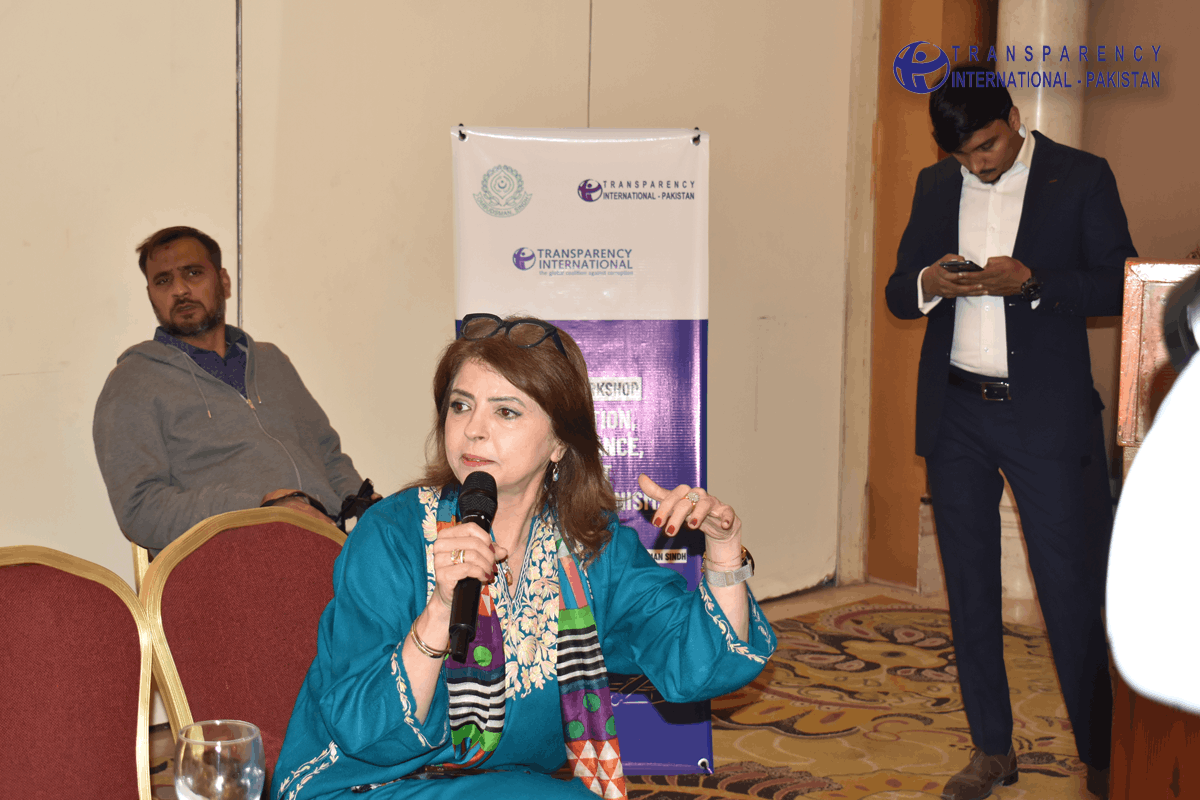
During the interval of the workshop, the floor was opened for the participants to share their experiences and suggest recommendations to the senior government officials. The participants engaged in fruitful discussion, exchanged views and provided meaningful recommendations for improvement of grievance redressal mechanisms in different public departments. Subsequently, the participants went for a brief tea break.
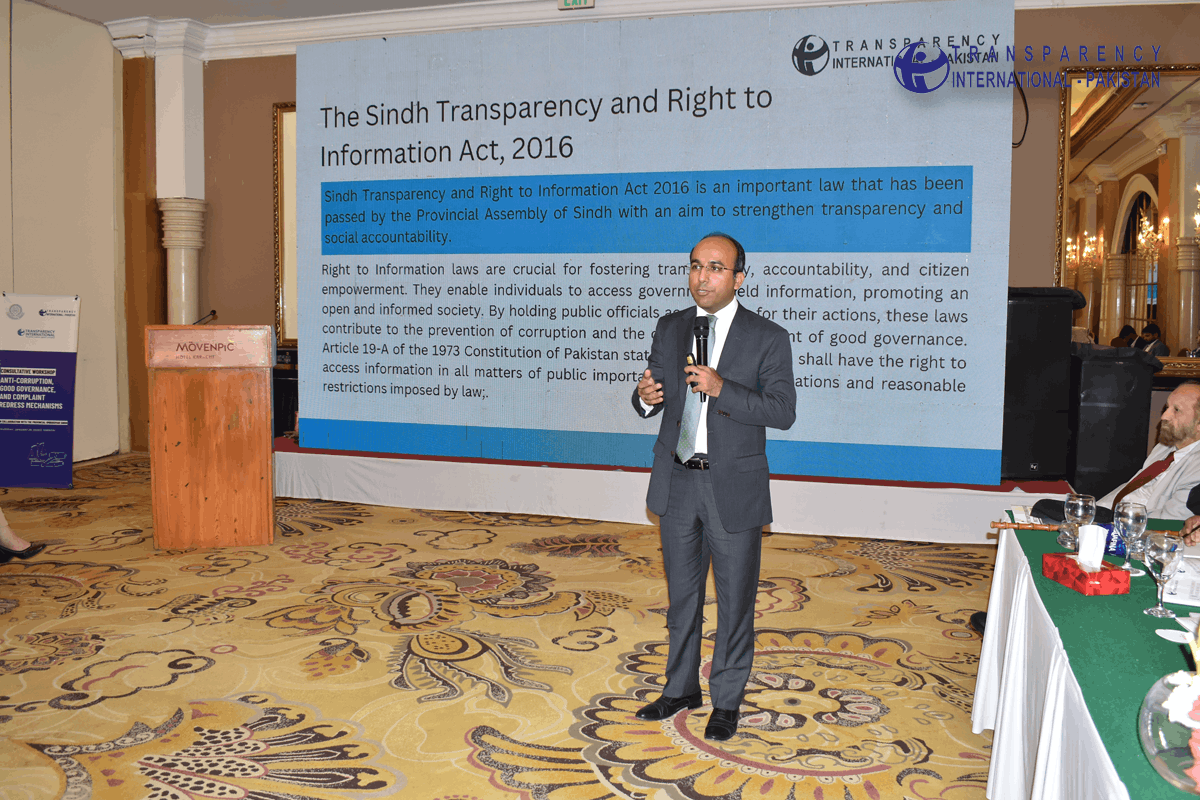
After coming from the tea break, Mr. Noor Muhammad Dayo, Information Commissioner, Sindh Information Commission, delivered a comprehensive presentation on the functions and powers of the commission. He noted the importance of the Right to Information as a foundation for transparency and good governance, explaining how access to information empowers citizens and strengthens accountability. He said that it is designated as a fundamental right of citizens under Article 19-A.
Mr. Dayo, while elaborating on the Sindh Transparency and Right to Information Act, 2016 is, stated that the provincial law is mandated to promote openness, accountability, and good governance in public institutions by granting citizens the right to access information, held by public bodies. The Act recognizes access to information as a fundamental right in matters of public importance, subject to reasonable restrictions.
The Act obligates government departments and public institutions to provide information upon request and also introduces the principle of proactive disclosure. Under the Section 5 of the Act, the authorities are required to publish key information on their own initiative, particularly through official websites. This includes details about organizational structures, functions and powers of officials, rules and regulations, decision-making processes, budgets and expenditures, development activities, and records of public dealings.
By ensuring transparency in administrative and financial matters, the Act aims to curb corruption, enhance public trust, and empower citizens to participate meaningfully in governance, Mr Dayo said.
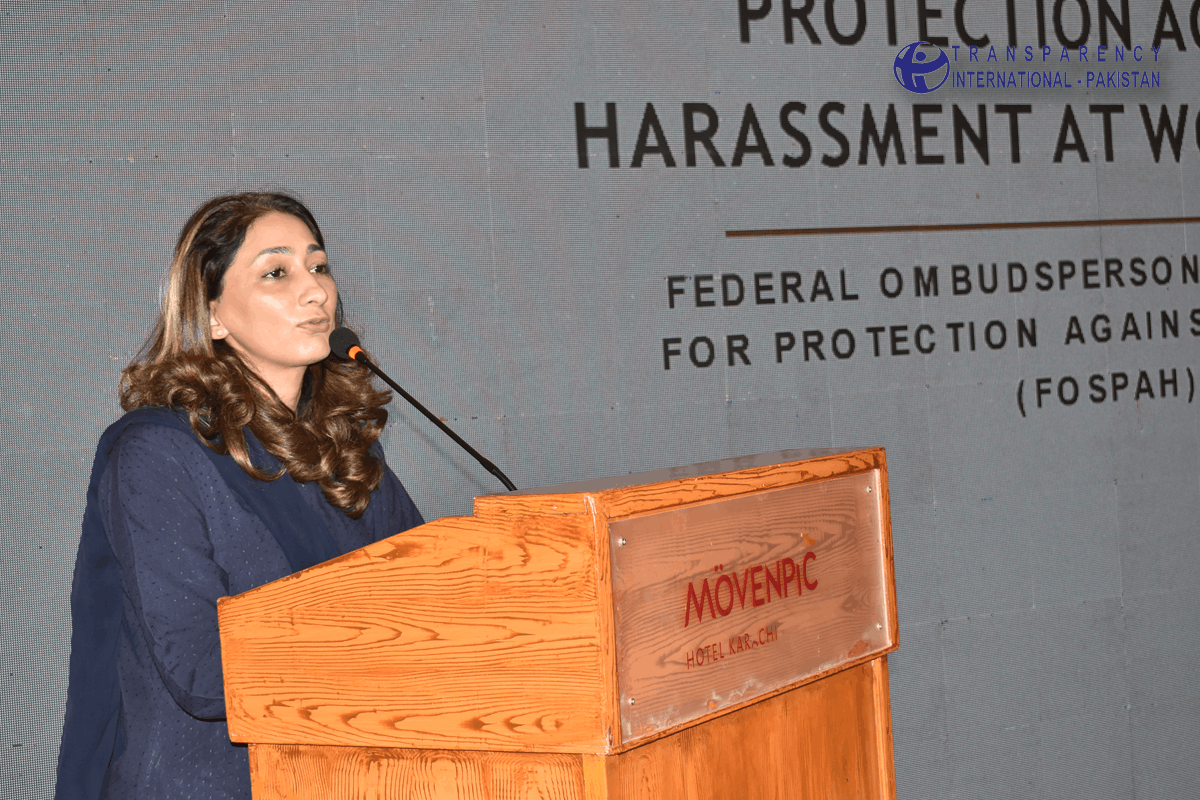
Moving on, Ms. Sabika Shah, Regional Head, Federal Ombudsman Secretariat for Protection Against Harassment (FOSPAH) Regional Office Karachi, delivered her session on harassment and ethical practices at workplaces. She stated that there is a need to revisit the definition of harassment and that harassment is not only sexual. Ms. Shah also conceded that timely complaint resolution mechanisms are the bedrock for safe and ethical workplaces that protects freedom and privacy of every citizen. During her talk, she provided an overview of FOSPAH and underlined that harassment has the internal cost, which transcends beyond monetary losses. It destroys culture of an organization and discourages merit and competition. Undue influences, she said, also coincides with harassment. When there is an abuse of process and people do not believe in complaint redressal mechanisms, it also coincides with harassment, she added.
Moving further, Mr. Kashif Ali, Executive Director TI Pakistan elaborated on proactive disclosure as a preventive anti-corruption strategy, stressing the importance of institutional transparency in reducing corruption risks. He stated that the Sindh Transparency and Right to Information Act, 2016 is a significant law passed by the Provincial Assembly of Sindh with the purpose of promoting openness in government affairs. He said that the RTI laws are essential for fostering transparency, and citizen empowerment, as they enable individuals to access information held by public bodies.
The concept of Proactive Disclosure is introduced through Section 6(1) of the Act, which requires public bodies to mandatorily disclose information to the general public, primarily through their official websites. Proactive disclosure is defined as the publication or release of information in anticipation of public needs, without requiring formal requests. The law outlines 15 clauses specifying the types of information that must be shared. He noted that public bodies must clearly disclose their organizational setup, the powers and duties of employees, operational standards, legal frameworks, information categories, and decision-making mechanisms. At the end, Mr. Ali maintained that proactive disclosure is a cornerstone of transparency and good governance. While the legal provisions exist, effective implementation by public bodies remains weak, and stronger enforcement is necessary to ensure citizens’ right to information is respected.
During the workshop, a demo of Ombudsman’s Mobile application and digital platform was provided by complaint management system expert of Ombudsman Secretariat Mr. Muhammad Akmal Nasim. He walked the participants through registration process on the application and lodging complaint.
Further, to discuss civil society oversight in public procurement, Mr. Aasim Azim Siddiqui, Chairman, Board of Directors, Trading Corporation of Pakistan, discussed the role of CSO oversight in enhancing transparency and reducing corruption in public procurement. He centered on the evolving landscape of corruption risks in public procurement and the importance of oversight mechanisms within contract management processes.
He noted that procurement, being the primary interface between public funds and service delivery, remains highly vulnerable to manipulation, and favoritism. He highlighted typical red flags observed in tendering cycles, including tailored specifications, limited competition, unjustified bid rejections, collusive bidding, and post-award contract variations. These practices, he said, not only inflate costs but also directly undermine public trust in institutions. Mr. Aasim further underscored that procurement corruption is rarely a single act; rather, it is a chain of coordinated administrative decisions that cumulatively distort fairness.
Dr. Asim stressed the importance of transparent documentation, audit trails, standard bidding documents, digital procurement platforms, and vigilant oversight by evaluation committees. While concluding the presentation, he stated that transparent procurement is not merely a financial safeguard but a governance necessity, directly linked to efficient public service delivery and institutional credibility.
Subsequently, Mr. Sirajuddin Aziz, Banking Mohtasib Pakistan delivered a brief talk on digital scams and the importance of timely reporting of complaint in the complaint management systems. He stated that though digital tools have facilitated citizens in the financial domain, we need to be cognizant of the risks attached with it, such as fraud, and hacking. He said that we need to be very cognizant of the information we are sharing with our banks and financial institutions. If any citizen is a victim of fraud or scam, they should timely report their complaint to the system. Mr. Aziz also highlighted that it was timely action by citizens and Banking Mohtaisb Pakistan Office that the regulator recovered Rs 2 billion of public money from different financial institutions and handed over to citizens.
At the end of the workshop, Prof. Dr. Nabeel Ahmed Zubairi, Chairman, Department of Sociology, University of Karachi, and Board Member, TI Pakistan formally closed the session. He express hhis gratitude to all the participant and the Ombudsman Secretariat Sindh for comprehensive collaboration. He summarized the key insights and emphasized the need for continued collaboration among institutions and stakeholders for improving service delivery and citizen-centric governance system.
The event ended with certificate distribution to participants.