Capacity Building Workshop on Sindh Transparency and Right to Information Act 2016: Promoting Good Governance & Civic Participation
Capacity Building Workshop on Sindh Transparency and Right to Information Act 2016: Promoting Good Governance & Civic Participation
Date: Wednesday, April 29, 2026
Venue: SRSO, Sukkur Office
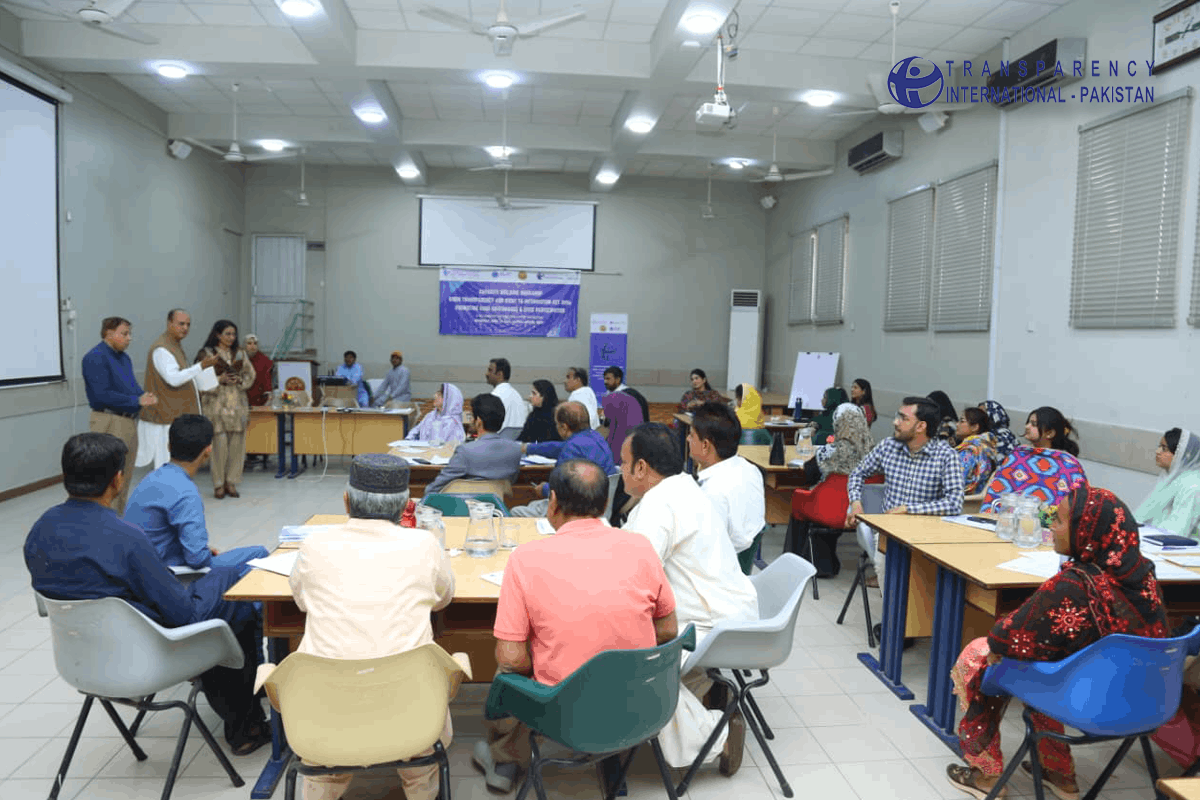
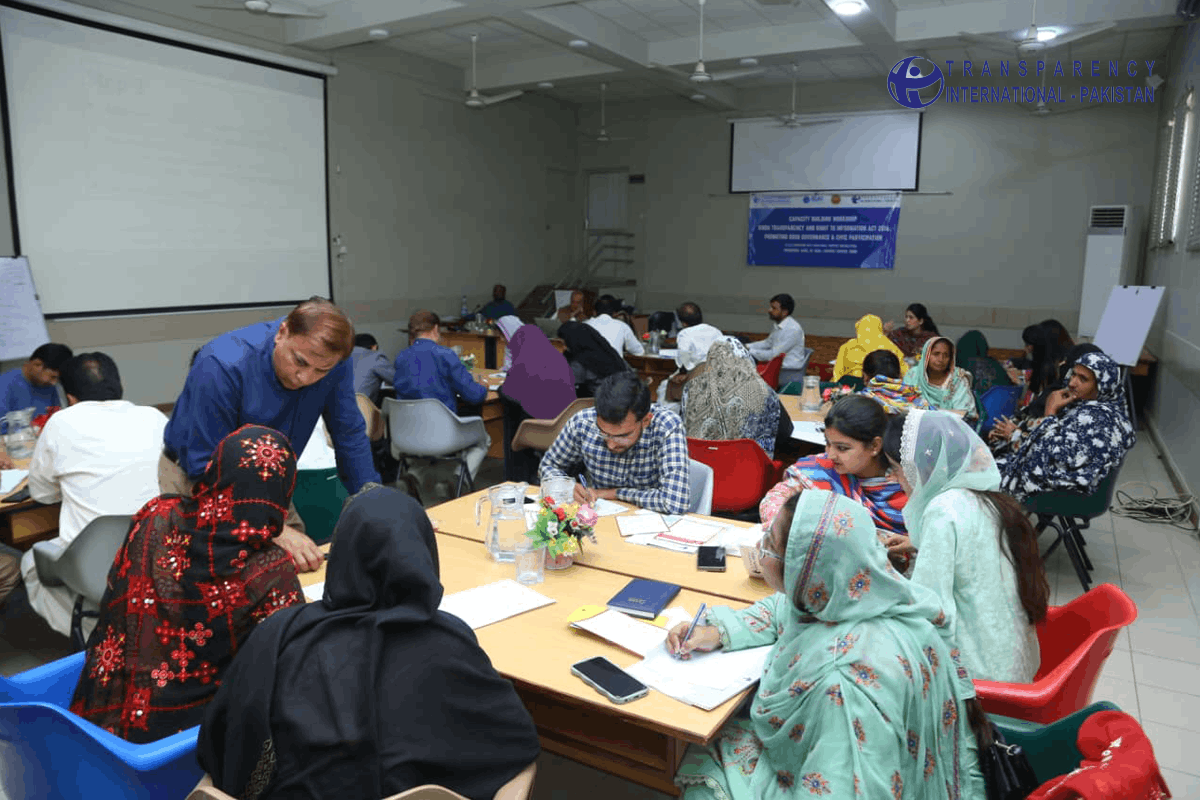
Transparency International Pakistan in collaboration with the Sindh Rural Support Organization (SRSO) organized a workshop titled “Sindh Transparency and Right to Information Act 2016: Promoting Good Governance & Civic Participation” in District Sukkur, Sindh. Held on Wednesday, April 29, 2026, the workshop raised awareness among citizens on how to use the RTI law effectively to access public information and strengthen its use as a tool for good governance and civic participation.
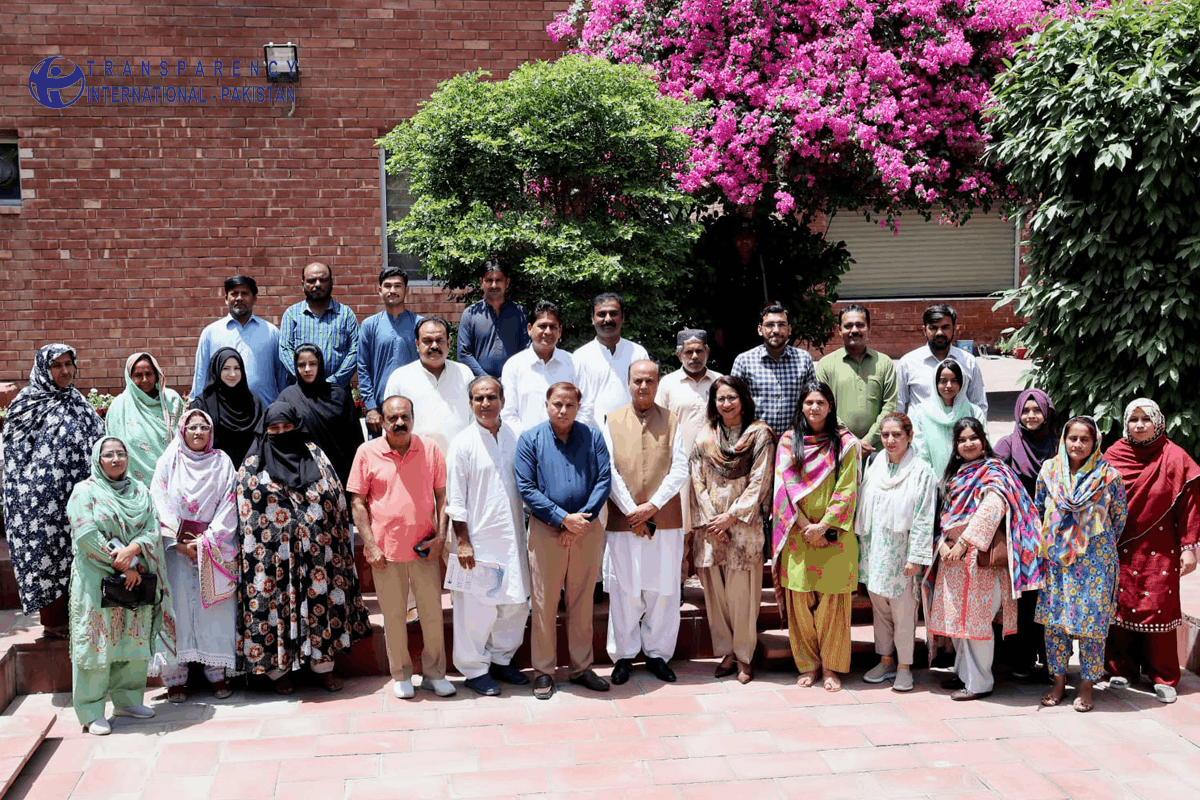
The workshop brought together 40 participants, including 25 males and 15 females and 1 person with disability. The participants represented government departments, civil society organizations, youth and community members. The event proceedings started with the recitation of the Holy Quran followed by a pre-workshop assessment test to check participants’ existing knowledge of the provincial Right to Information law.
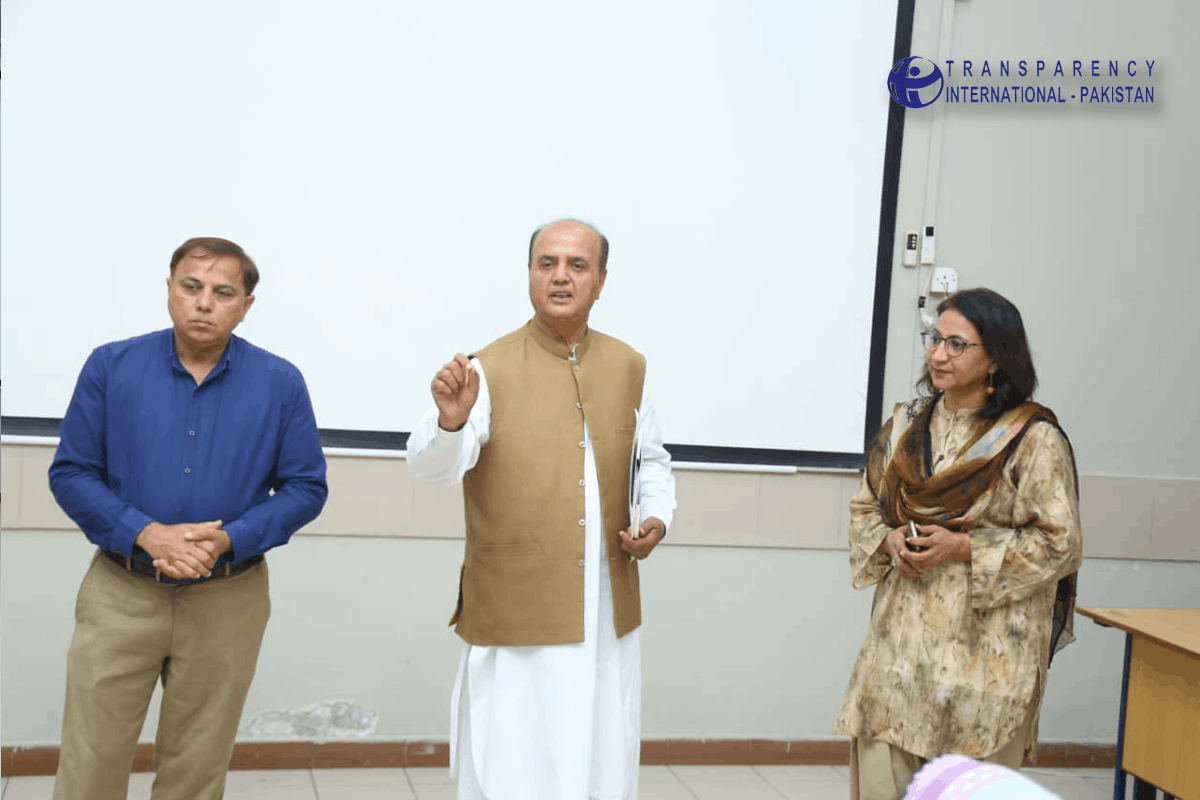
Ms. Nasreen Memon, Project Coordinator, TI Pakistan provided an overview of the organization’s work on Right to Information. She highlighted that RTI is an important social accountability tool for citizen participation in governance affairs and it is important that ordinary citizens are aware about this important legislation. Afterwards, Mr. Zubair Ahmed Shaikh, Program Manager, Sindh Rural Support Organization (SRSO) spoke about the key features of the Sindh Transparency and Right to Information Act, 2016. He explained that the RTI law empowers citizens to access information from public institutions and strengthens transparency, accountability, and democratic governance at sub-national level. Referring to Article 19-A of the Constitution of Pakistan, he highlighted that every citizen has the constitutional right to access information held by public bodies.
He further explained that the law allows citizens to seek information from government departments regarding public services, development projects, and the use of public funds. He emphasized that public institutions are legally bound to provide requested information within a period of 15 days as well as mandated to proactively disclose information through their website for citizens oversight. He informed the participants that under the law if a public body does not respond within the required time or denies access to information without valid justification, citizens have the right to seek redress through an appeal mechanism. This includes filing internal review application with the department and subsequently filing complaint with the Sindh Information Commission.
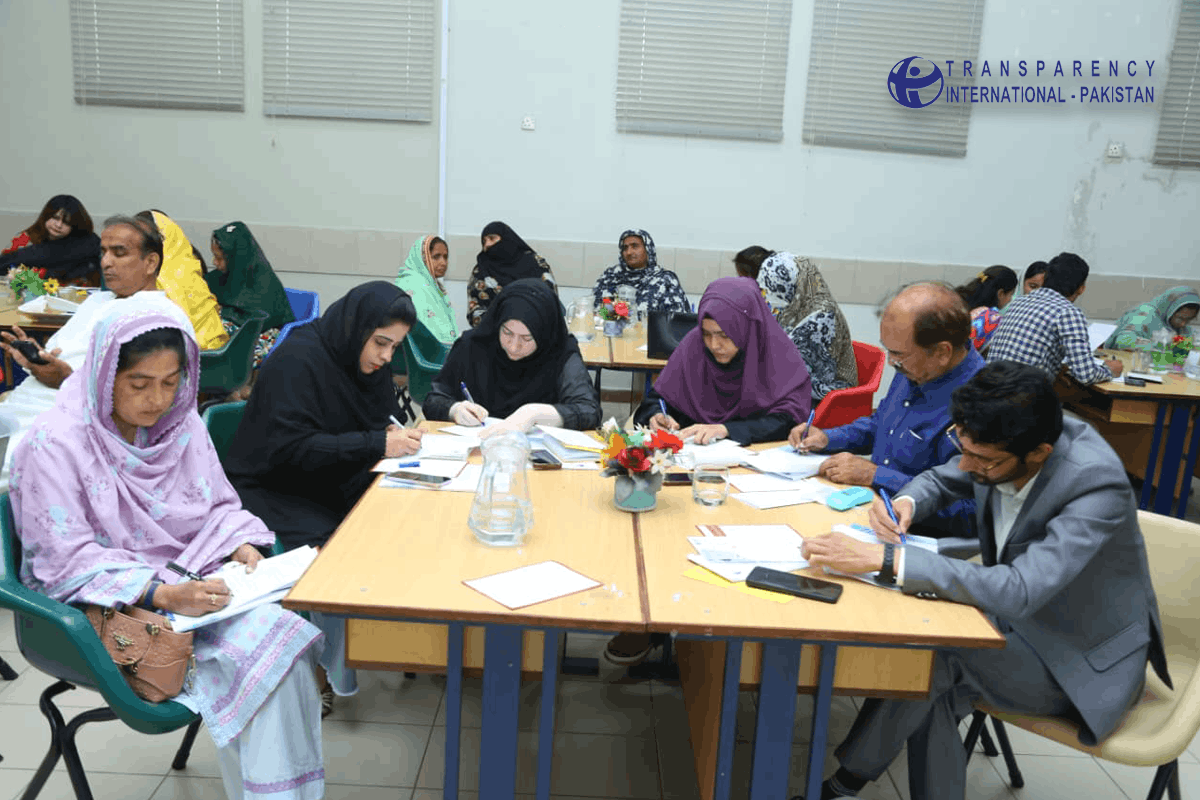
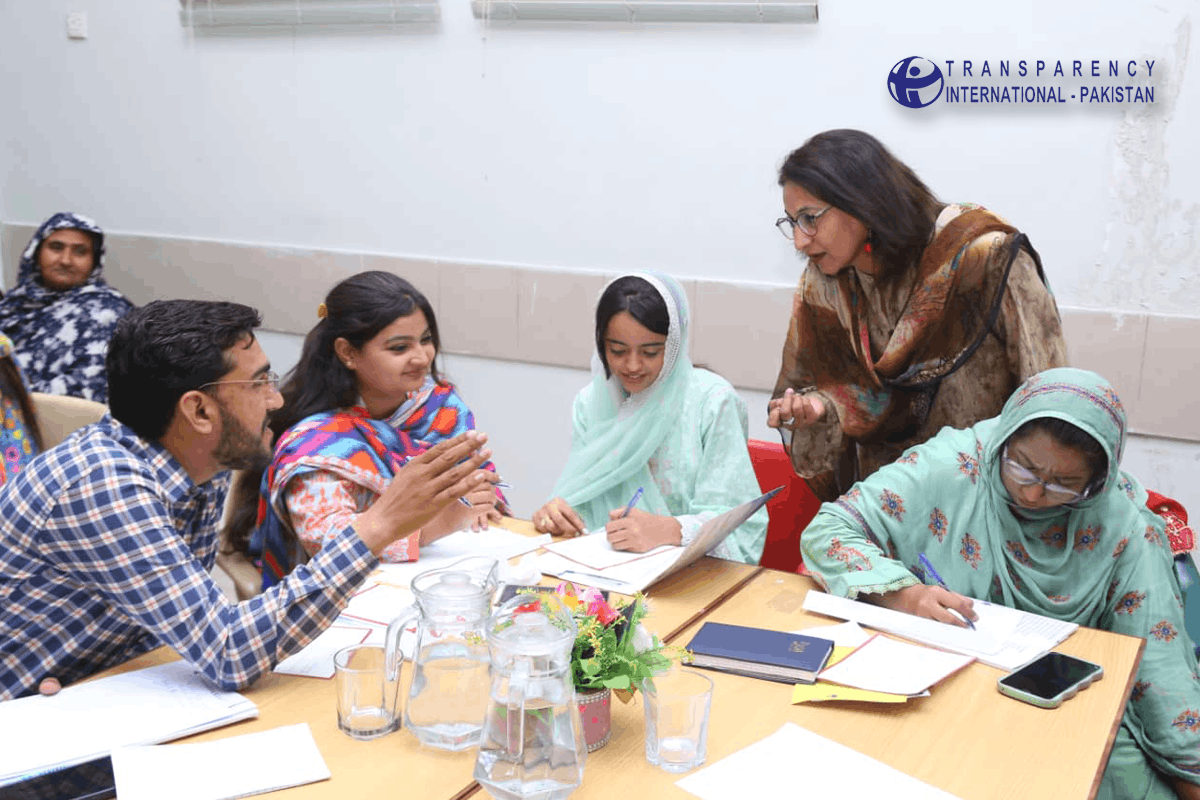
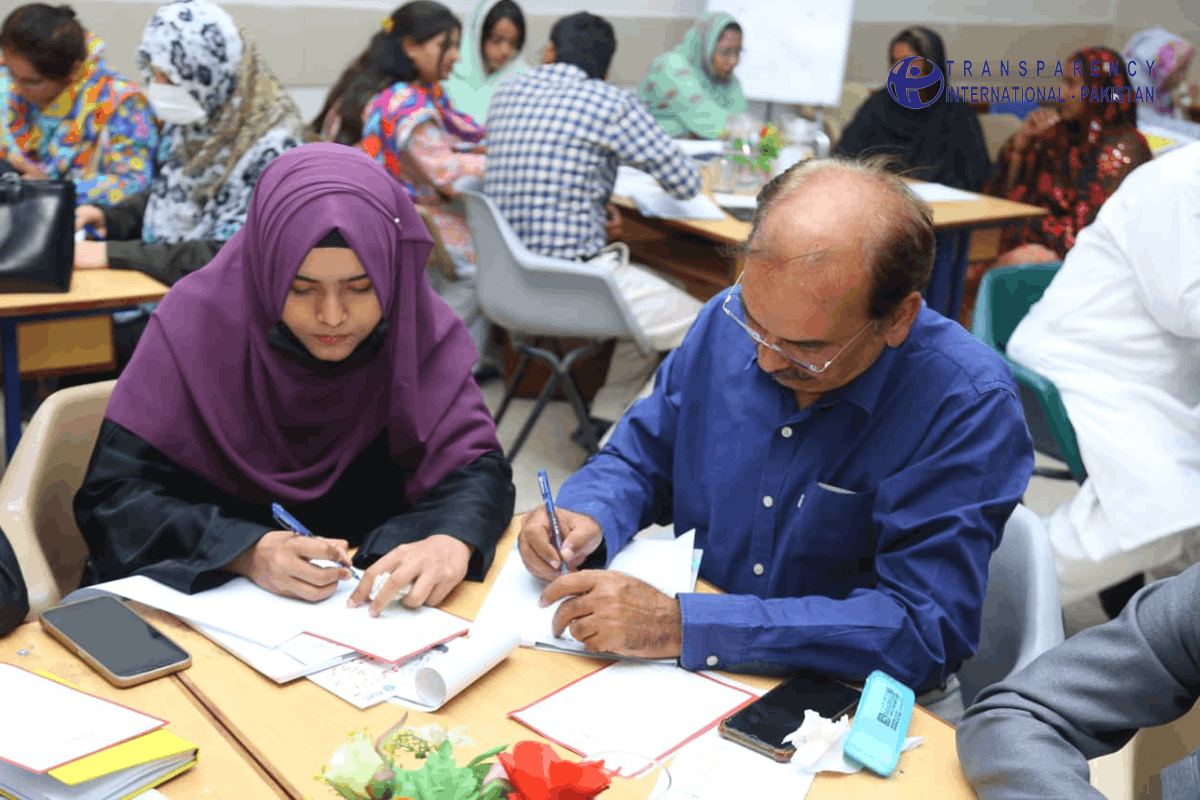
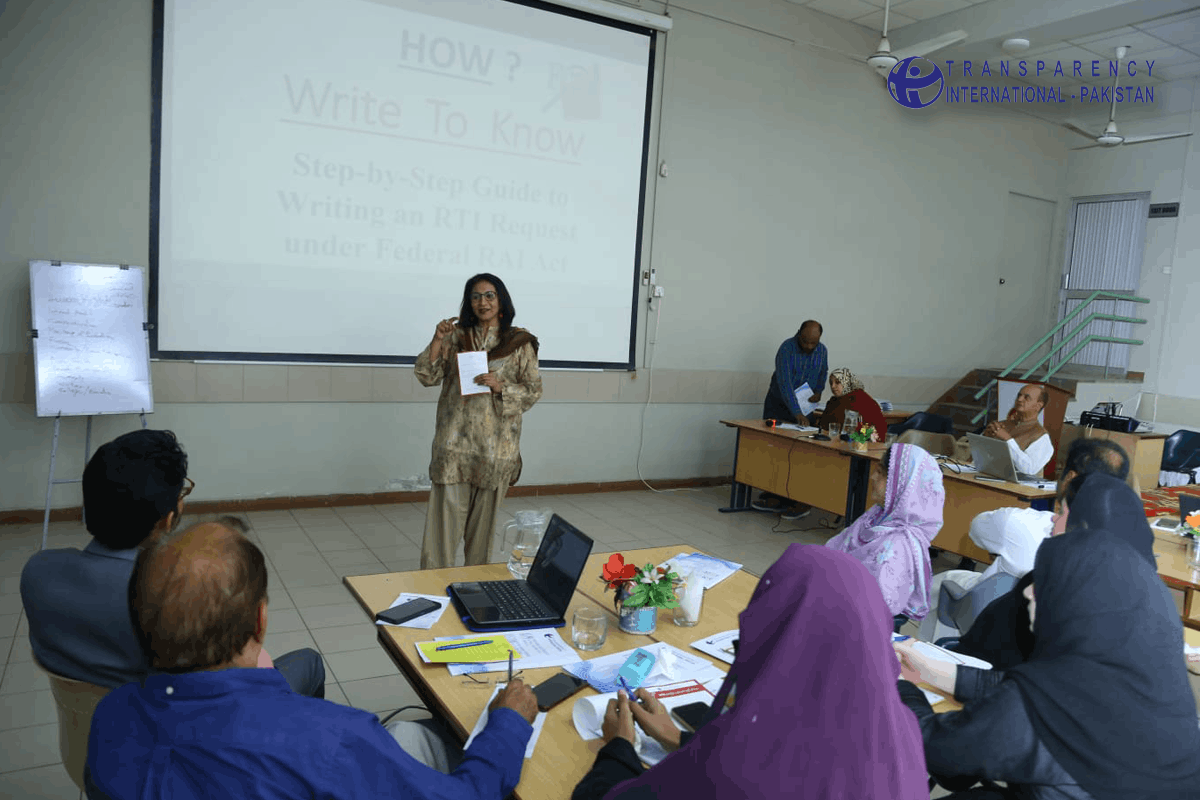
Later, participants were divided into breakout groups and drafted sample RTI applications addressed to different public bodies. This empowered citizens and CSOs to learn how to write an RTI application and its mechanism of filing the request.
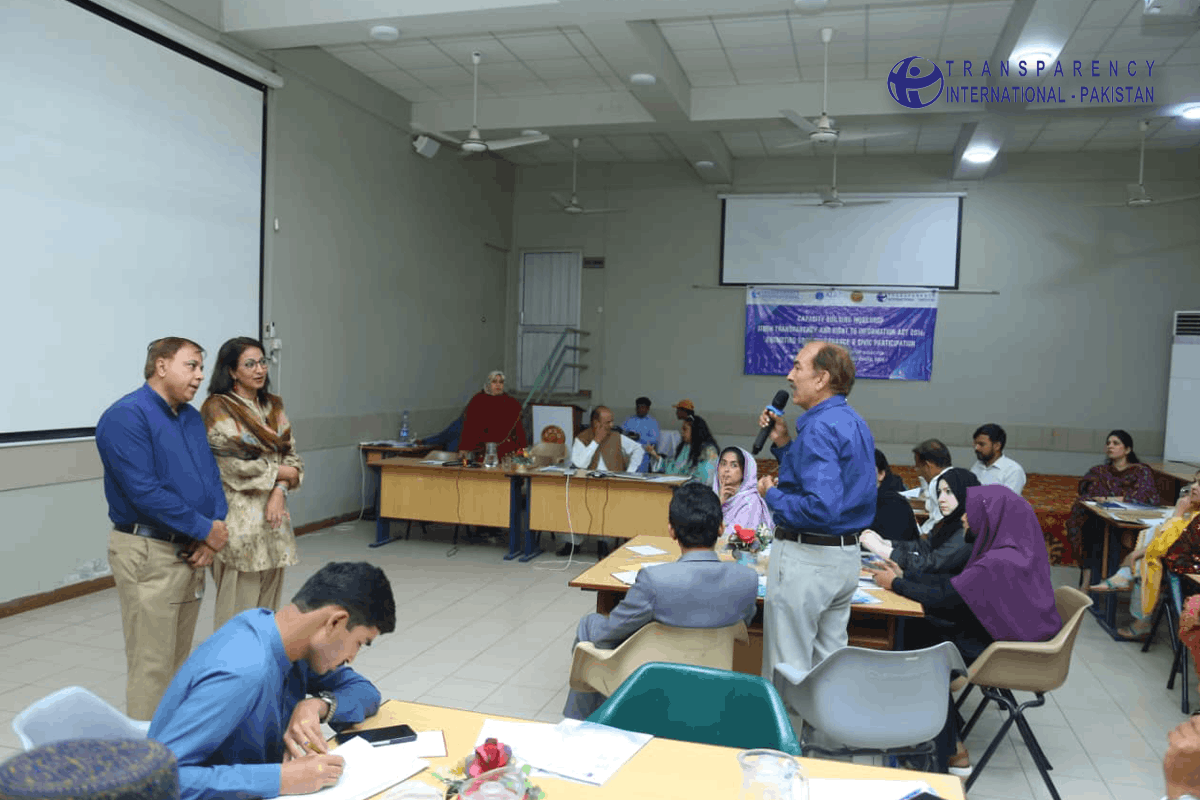
Moving on, Mr. Ahmed Ali Qureshi, Reginal Director, Ombudsman Office Sukkur briefed the participants on the role and responsibilities of the Ombudsman Department in addressing complaints pertaining to non-compliance of RTI provisions by the public departments and addressing citizens grievances. He explained that the provincial ombudsman is an independent accountability institution that protects citizens’ rights and ensures that public institutions work in a transparent and responsible manner. In doing so, one of its main roles is to provide an effective grievance redress mechanism, where citizens can approach the office if their right to information is denied, delayed, or ignored by any public body. He highlighted that all public departments are legally required to appoint Public Information Officers (PIOs) and respond to information requests within the given timeframe.
Towards the end, Mr. Anwar Mehar, Executive Director, NARI Foundation shared practical actions for CSOs to empower communities through RTI awareness. He emphasized the need for regular community awareness sessions so citizens can better understand their right to information and how to effectively use it. He further stressed training local volunteers and community leaders to support citizens in filing RTI applications and following up with government departments including building partnerships with media, and ensuring continuous engagement with institutions to improve transparency, accountability, and public service delivery at the grassroots level.
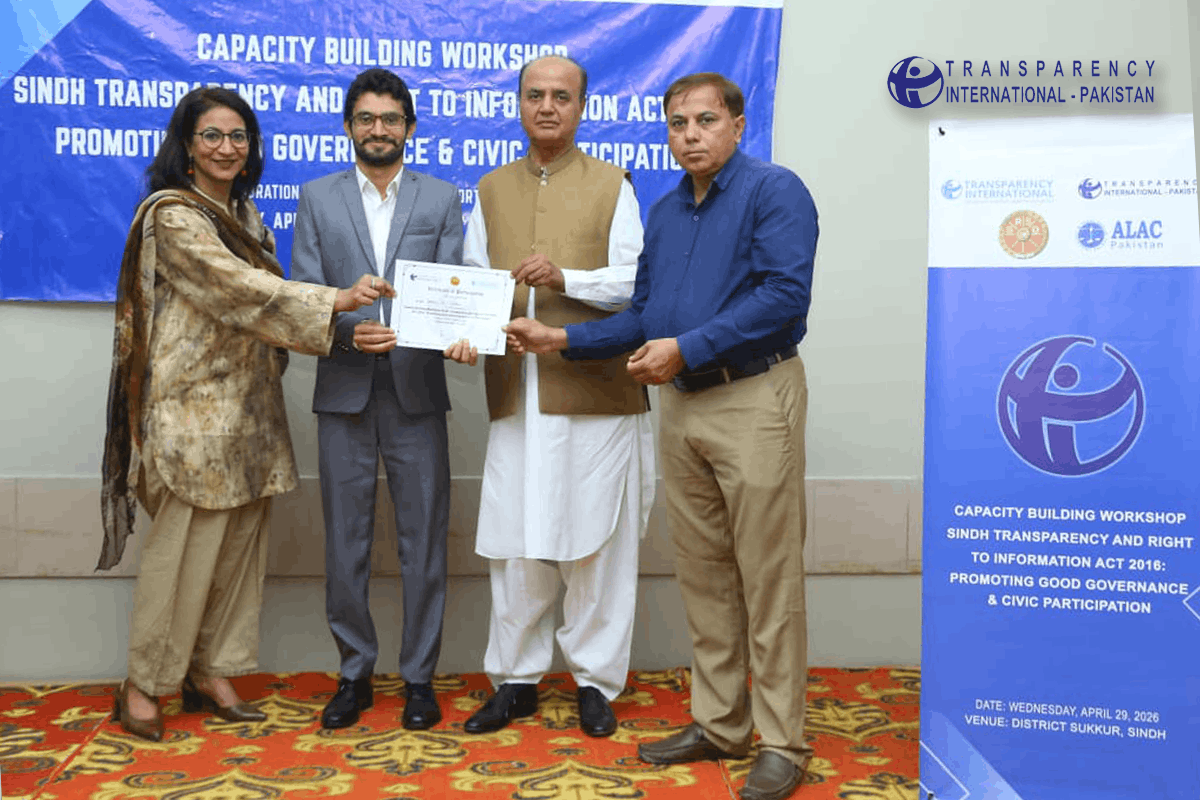
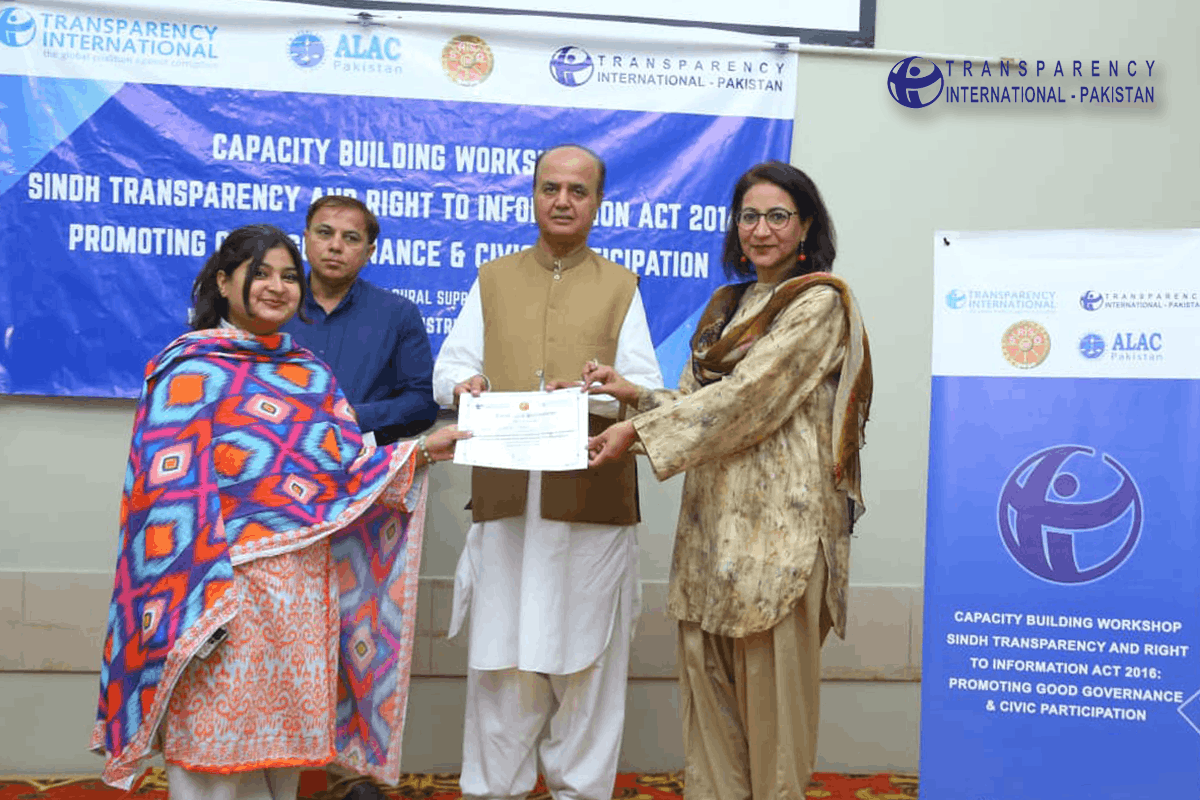
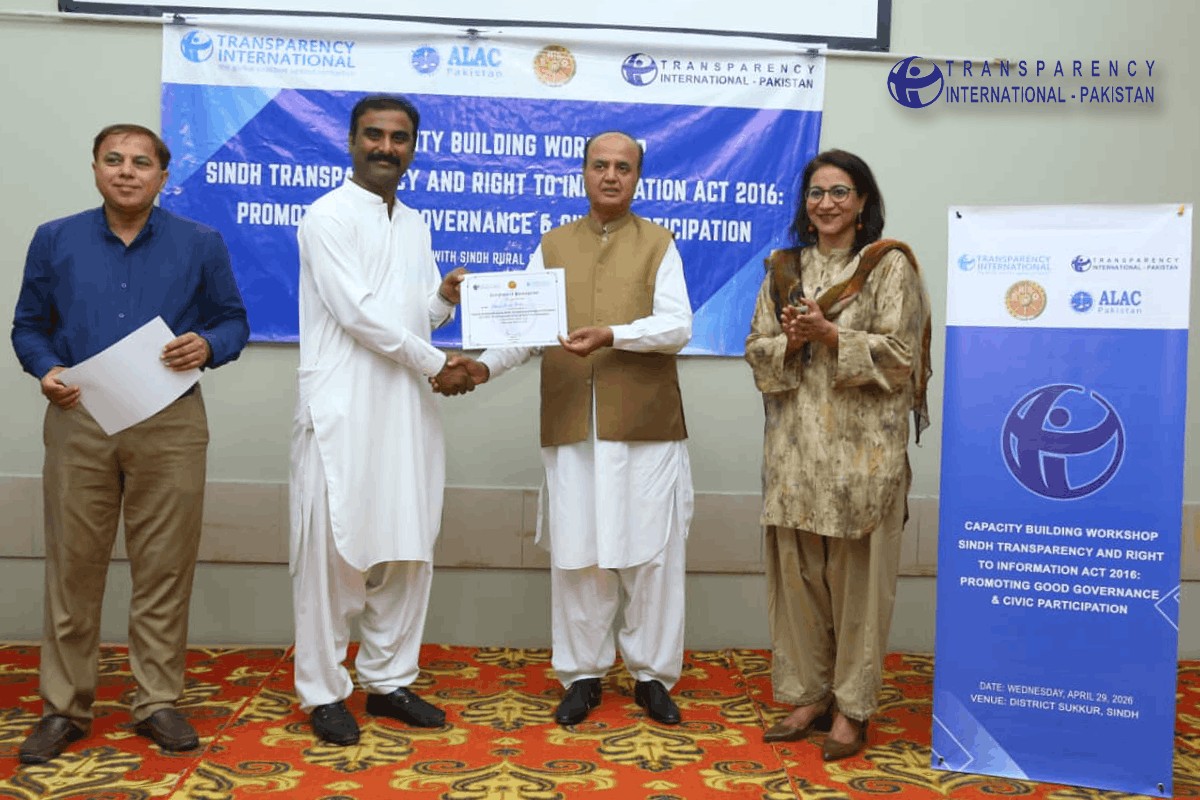
The workshop was concluded through post-workshop assessment. Participants were provided certificates for completing basic skills enhancement on RTI. It is hoped that the workshop participants will further use these skills through their organizations, community platforms and other avenues to contributing towards creating enhanced awareness of RTI in Sindh.